
A Category of Its Own
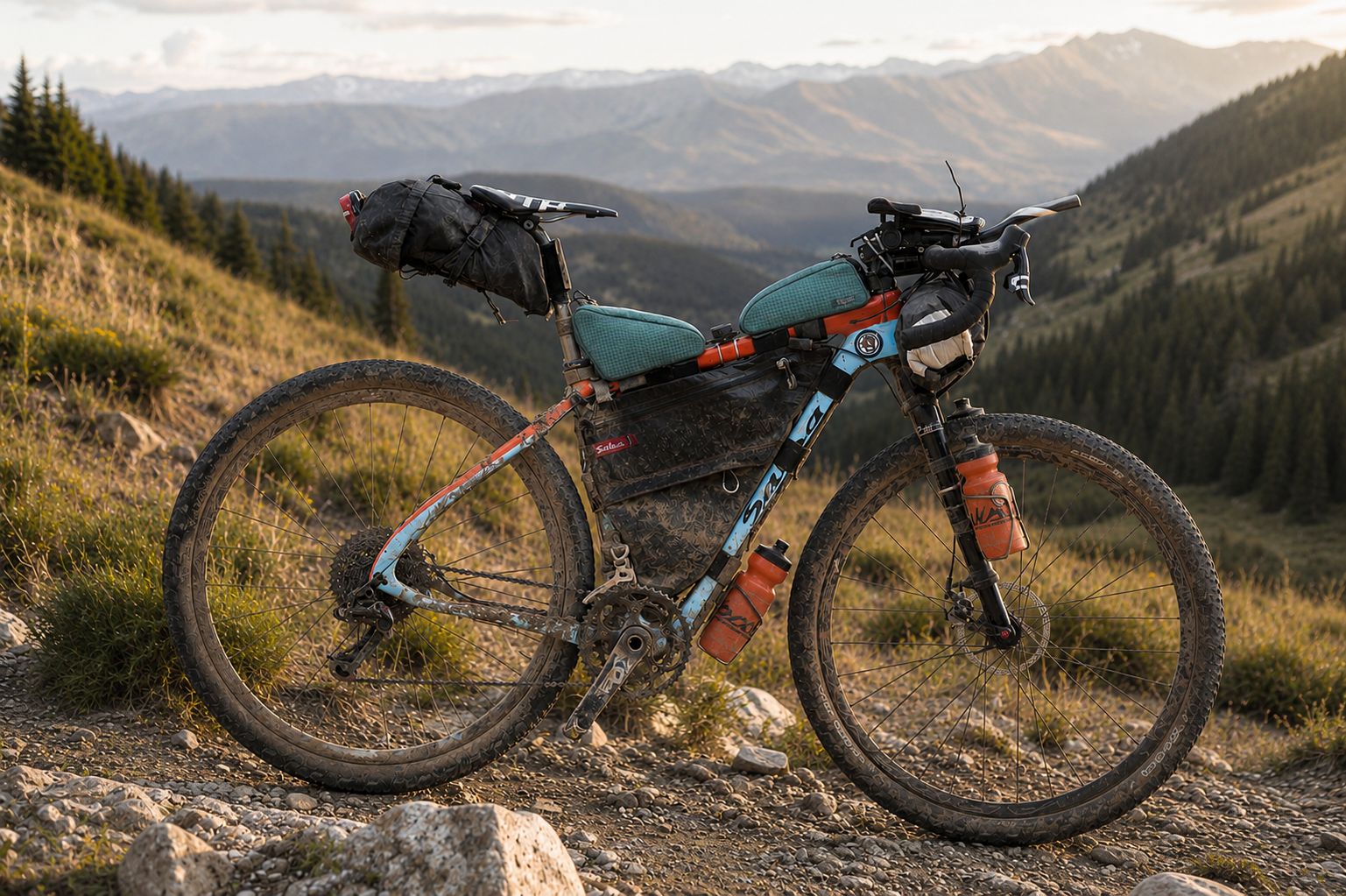
For many riders, the Salsa Cutthroat is one of the hardest bicycles to categorise.
It is not a traditional gravel bike.
It is not a mountain bike in the conventional sense.
It is not a touring bike as most people imagine one.
And yet, it manages to do a little bit of all three.
Its origins explain exactly why.
Where does the name Cutthroat come from?
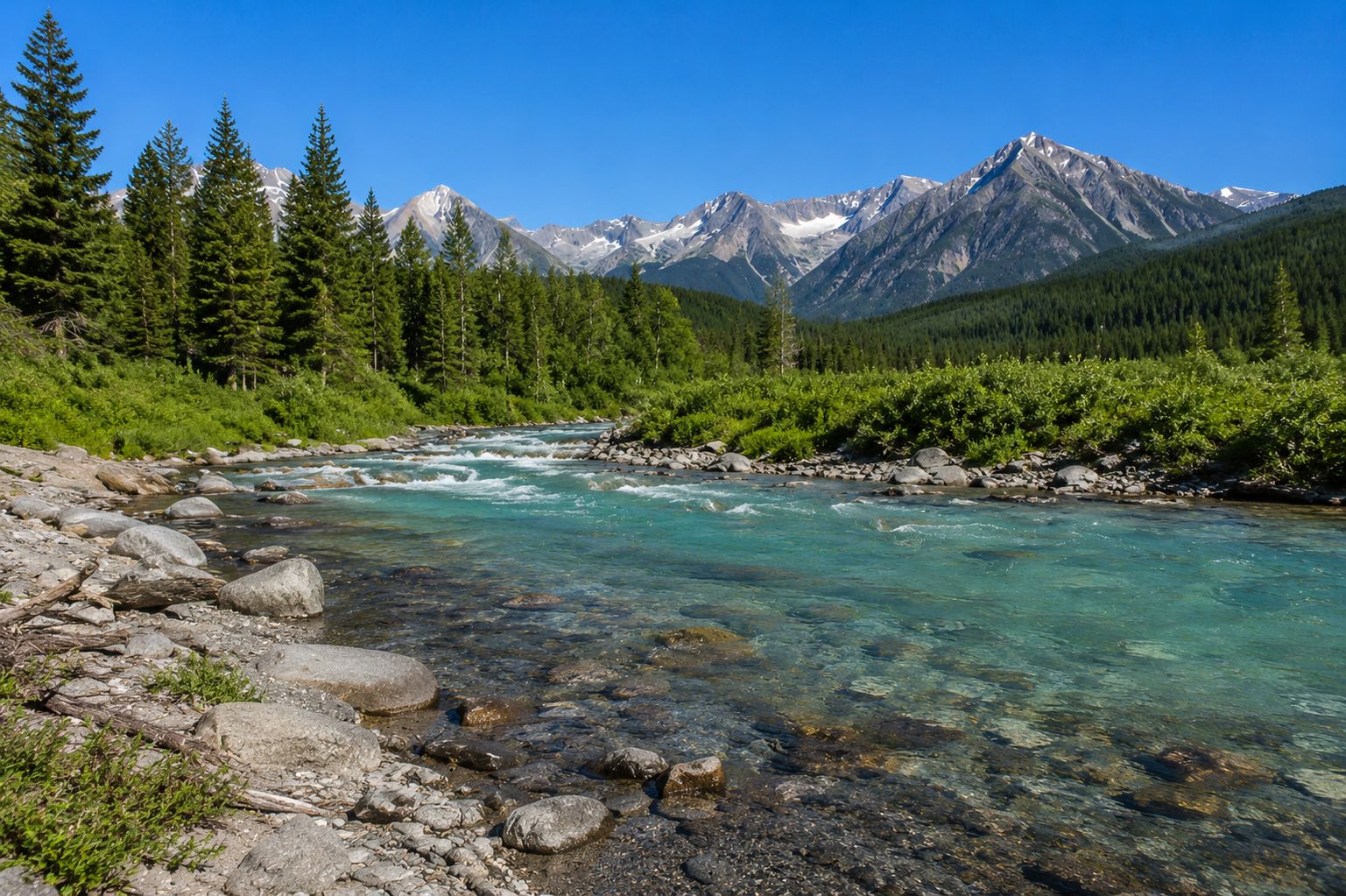
The Cutthroat takes its name from the Cutthroat Trout, a native trout species of the Rocky Mountains.
The choice is far from accidental.
Salsa developed this bicycle with the landscapes of the Great Divide Mountain Bike Route and the Tour Divide in mind: thousands of kilometres of gravel roads, forest tracks and remote wilderness crossing the heart of North America.
The name connects the bike directly to the environment that inspired its creation.
It is a very Salsa approach.
First come the places.
Then comes the bicycle.
Why has the Salsa Cutthroat become one of the bikes most associated with the Tour Divide?
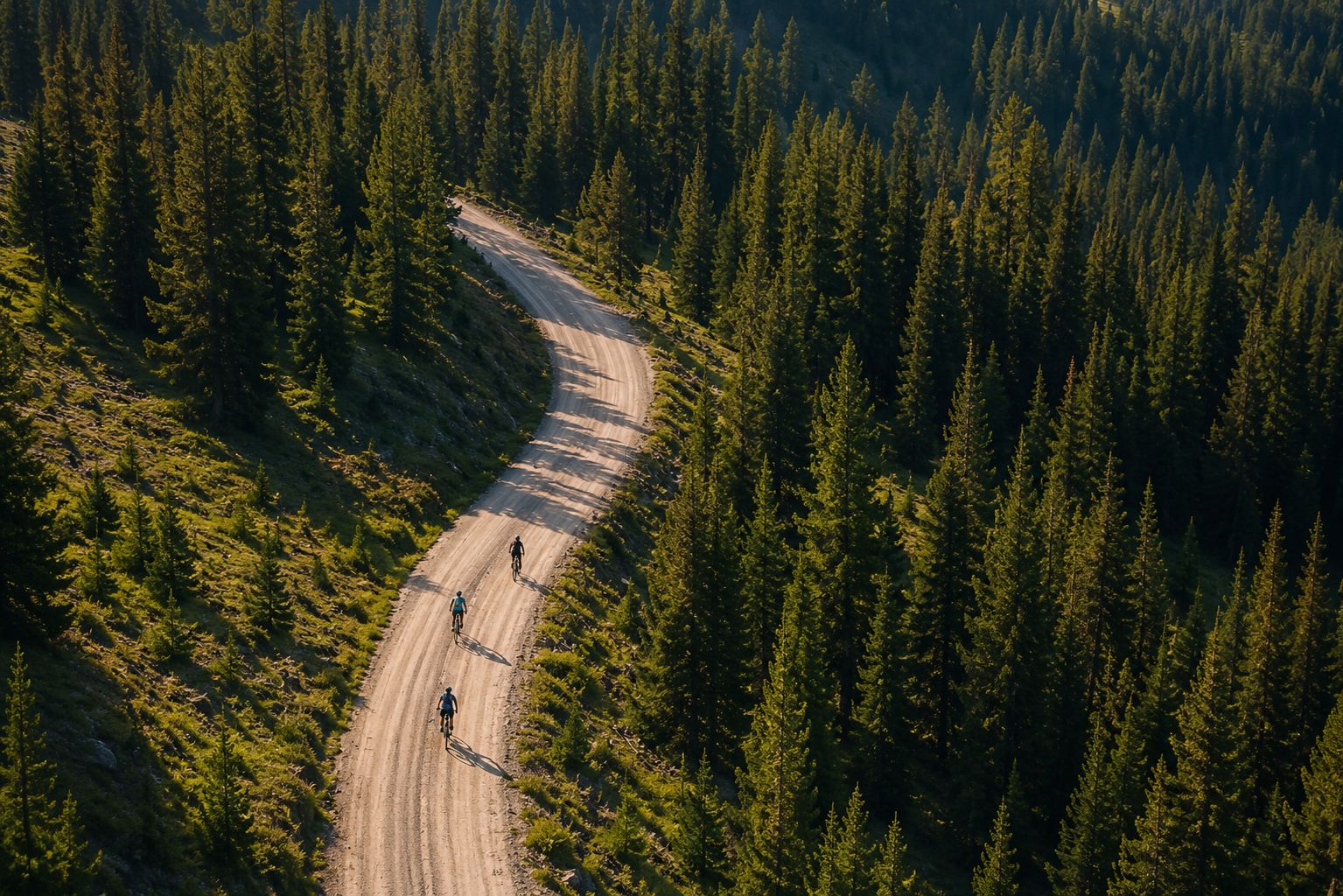
To understand the Cutthroat, you need to start with the Tour Divide.
It is one of the toughest and most iconic bikepacking races in the world.
More than 4,000 kilometres along the Great Divide Mountain Bike Route, from Canada to New Mexico.
Riders spend weeks crossing fast gravel roads, remote tracks, mountain passes, mud, dust, rain and endless consecutive days in the saddle.
A traditional gravel bike was not robust enough.
A conventional mountain bike was not efficient enough.
Salsa's answer was an entirely new platform: a drop-bar mountain bike designed to cover huge distances across mixed terrain while maintaining speed, comfort and cargo capacity.
The Cutthroat was born.
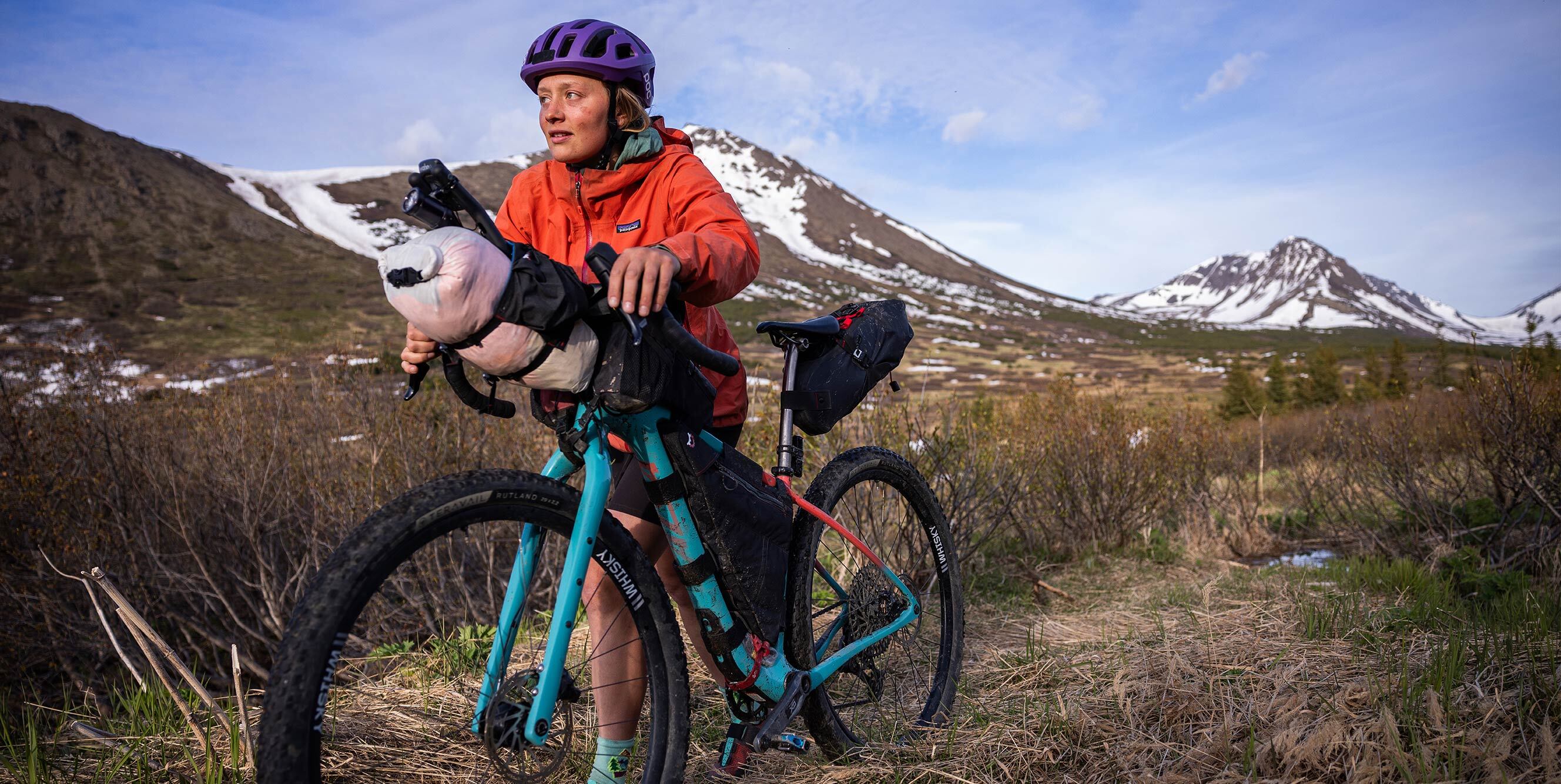
What is a Salsa Cutthroat today?
The simplest definition is probably this:
a 29er mountain bike with drop bars designed for long-distance riding.
The geometry prioritises stability and control.
The Class 5 VRS system uses specially engineered seatstays to absorb part of the vibration generated by rough surfaces and gravel roads. It is not a suspension system, but it helps reduce the fatigue that builds up after many consecutive hours in the saddle, one of the characteristics that made the Cutthroat famous in endurance racing and ultra-distance travel.
Large-volume tyres allow the bike to tackle demanding terrain without sacrificing rolling efficiency.
The numerous mounting points make it equally suitable for lightweight bikepacking setups or more expedition-oriented travel configurations.
The result is a bicycle that still occupies a category almost entirely of its own.
The Cutthroat frameset: the starting point
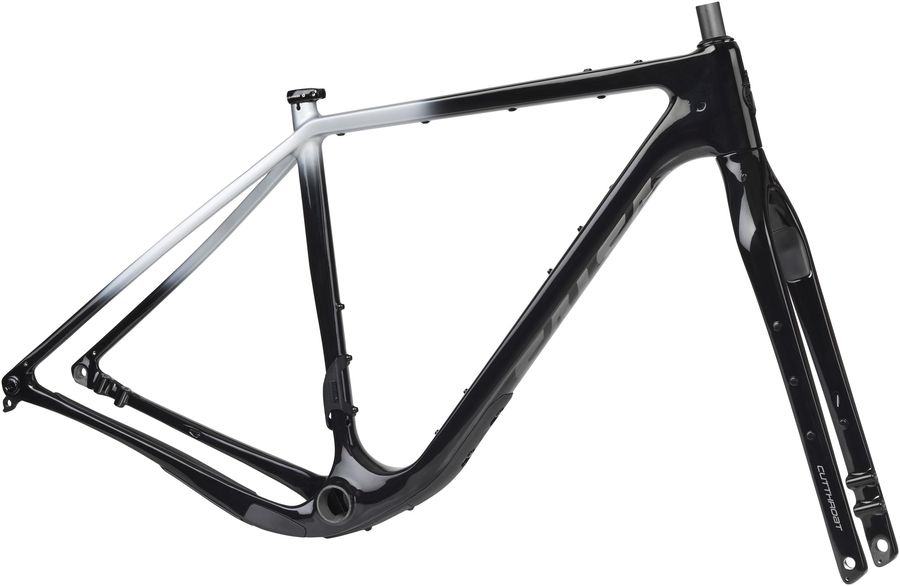
Before the complete bikes, there is the Cutthroat C Frameset.
For many riders it represents the best way to build a bicycle perfectly aligned with their own project.
The frameset retains all the features that made the Cutthroat famous:
- high-modulus carbon construction
- Class 5 VRS technology
- drop-bar MTB geometry
- 100 mm suspension fork compatibility
- generous luggage clearance
- rack compatibility
- up to 29 x 2.4" rear tyre clearance
From this starting point, very different bicycles can be created.
Some build ideas
Tour Divide and endurance racing
- SON dynamo hub
- permanent lighting system
- robust and easily repairable wheels
- reliability-focused drivetrain
The goal is to keep riding day after day while minimising potential issues.
Fast bikepacking
- lightweight wheels
- electronic shifting
- minimal luggage
- fast-rolling tyres
A setup designed to cover huge distances efficiently.
Long-distance off-road travel
- 2x drivetrain
- wider gearing range
- rear rack
- equipment focused on autonomy
Ideal for riders combining gravel, mountains and long transfer sections.
Everyday adventure riding
- 29 x 2.2" tyres
- lightweight setup
- soft bikepacking luggage
- mixed use between day rides and travel
Probably the most versatile setup for many European riders.
Which Salsa Cutthroat should you choose?
Salsa Cutthroat GRX 610
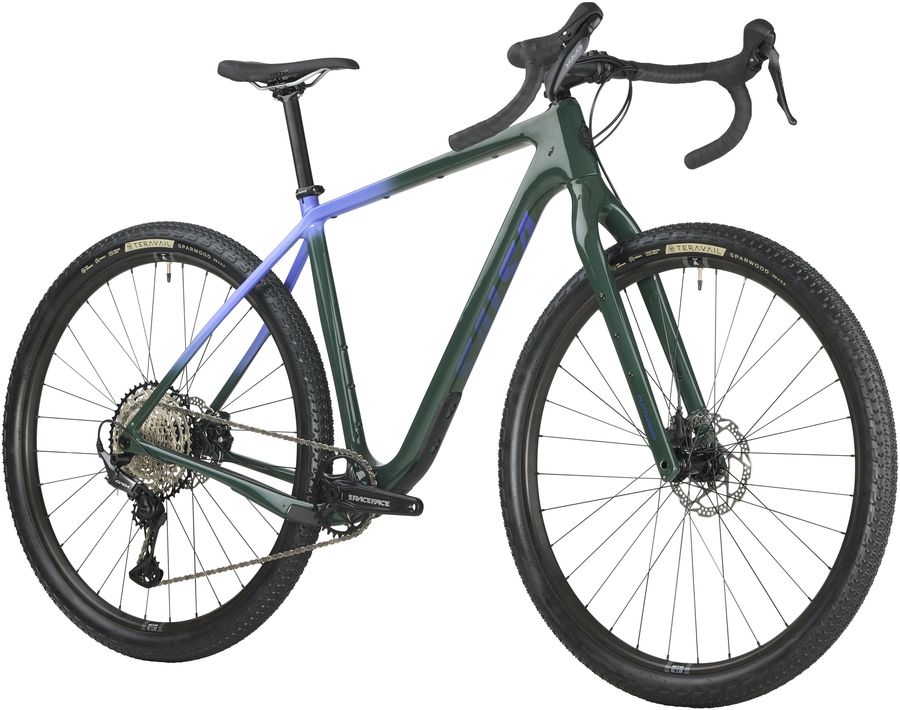
The explorer
The Salsa Cutthroat GRX 610 is the gateway into the Cutthroat world.
Mechanical Shimano GRX 1x12 drivetrain.
Reliable, proven and easy-to-service components.
It is the version we recommend to riders who prioritise reliability, simplicity and the ability to maintain the bike almost anywhere.
Ideal for:
- long-distance travel
- European bikepacking routes
- events such as the Tuscany Trail and Baja Divide
- riders who prefer mechanical drivetrains over electronic shifting
Salsa Cutthroat Apex Eagle AXS
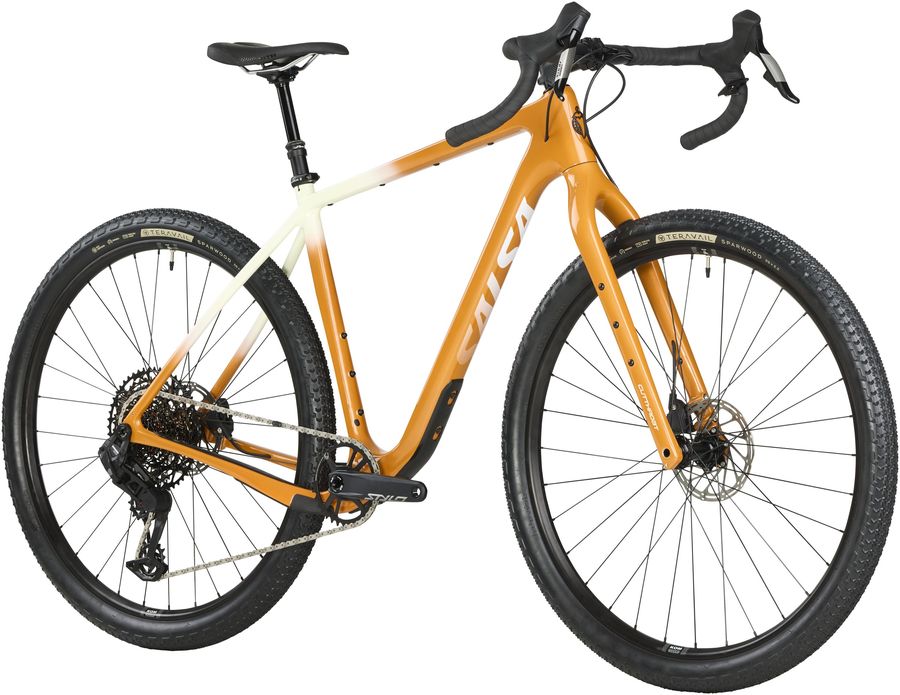
The adventurer
With the Salsa Cutthroat Apex Eagle AXS, SRAM AXS electronic shifting and Transmission technology enter the picture.
The standard dropper post adds another layer of control on technical terrain.
This is the version most closely aligned with modern off-road riding and technical bikepacking.
Ideal for:
- singletrack riding
- technical terrain
- aggressive bikepacking routes
- riders who want electronic shifting and maximum versatility
Salsa Cutthroat Rival GX AXS
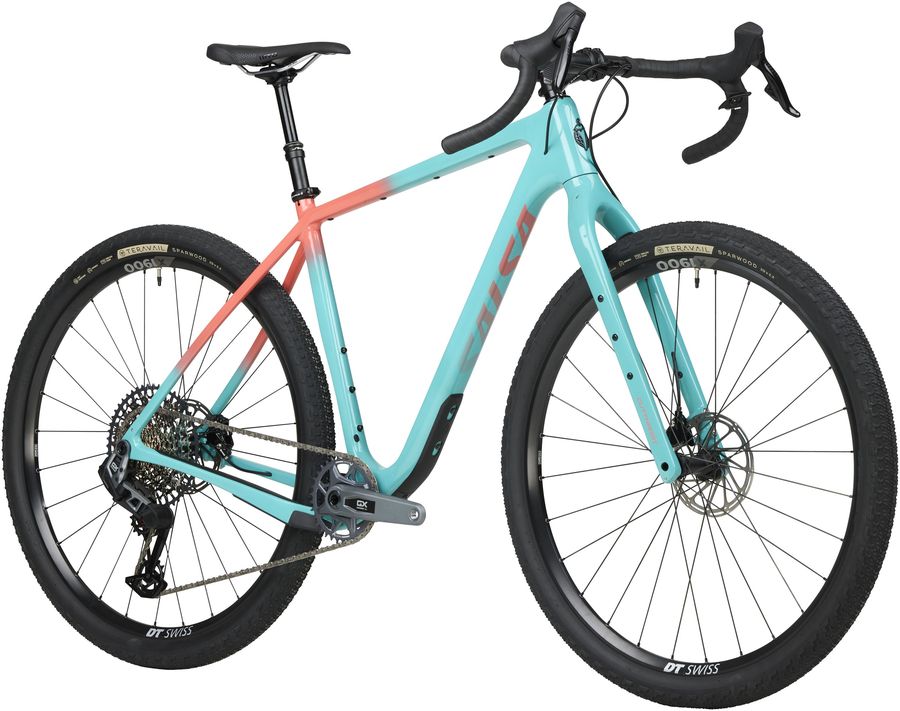
The perfectionist
The Salsa Cutthroat Rival GX AXS is the most refined version in the range.
Full SRAM GX Transmission drivetrain.
DT Swiss X1900 wheelset.
Premium components selected for riders who want a bike that is already close to its final dream specification.
It is the choice for those who want to minimise future upgrades and maximise performance from day one.
Ideal for:
- ultra-distance events
- endurance racing
- intensive year-round use
- riders looking for the most complete factory build available
One platform, three interpretations
Every Cutthroat shares the same foundation.
The same frame.
The same geometry.
The same design philosophy.
What changes is the way each rider chooses to approach their adventures.
There is no universally "best" Cutthroat.
There is only the Cutthroat that best matches the way you ride.
Quick comparison of the Cutthroat range
| Model | Profile | Drivetrain | Key strength |
|---|---|---|---|
| Cutthroat GRX 610 | The explorer | Shimano GRX 1x12 mechanical | Simplicity, reliability and easy maintenance |
| Cutthroat Apex AXS | The adventurer | SRAM Apex Eagle AXS | Electronic shifting and outstanding versatility |
| Cutthroat Rival GX AXS | The perfectionist | SRAM Rival GX Eagle AXS Transmission | Performance, DT Swiss wheels and premium specification |
In short: choose the GRX 610 if you prioritise simplicity and easy maintenance, the Apex AXS if you want to step into the world of electronic shifting with the best value for money, and the Rival GX AXS if you're looking for the most complete specification in the range.
CTA
Not sure which Cutthroat makes the most sense for your riding?
Tell us how you ride, where you travel and what kind of adventures you have in mind.
We'll help you understand whether it makes more sense to start with the frameset or one of the complete bike configurations.
FAQ
Is the Salsa Cutthroat a gravel bike or a mountain bike?
Neither definition fully describes it. The Cutthroat was designed as a drop-bar mountain bike, combining 29" wheels, high-volume tyres and MTB-inspired geometry with the efficiency advantages of drop handlebars for long-distance riding.
Is the Cutthroat suitable for bikepacking?
Absolutely. It was developed specifically for long-distance bikepacking events and adventure travel. The frame provides numerous mounting points for bags, cages, accessories and custom load-carrying solutions.
Can I install a suspension fork?
Yes. The frame is compatible with suspension forks up to 100 mm travel and a maximum axle-to-crown height of 506 mm.
What tyre sizes can it accommodate?
The standard setup uses 29 x 2.2" tyres, but the frame can accommodate up to 29 x 2.4" at the rear and up to 29 x 3.0" at the front.
Can I use a dropper post?
Yes. The frame includes internal routing for compatible dropper posts.
Can the Cutthroat be fitted with racks?
Yes. It is compatible with both rear racks and selected front rack systems, while also working exceptionally well with modern bikepacking luggage.
Does it make more sense to start with the frameset or a complete bike?
That depends on your project. The frameset is ideal for riders seeking a fully custom build. The complete bikes provide a ready-to-ride platform for adventure travel, endurance events and off-road exploration.