
- What is the Genesis Vagabond and who is it for
- New Vagabond geometry: what really changes
- Vagabond and gravel: why they are not the same thing
- Vagabond, Croix de Fer and Tour de Fer: real differences
- Vagabond 10, 20 and frameset: which one to choose
- How to configure a Vagabond (real setups)
- When to choose a Vagabond (and when not to)
- Frequently asked questions about the Genesis Vagabond
- Conclusion
What is the Genesis Vagabond and who is it for
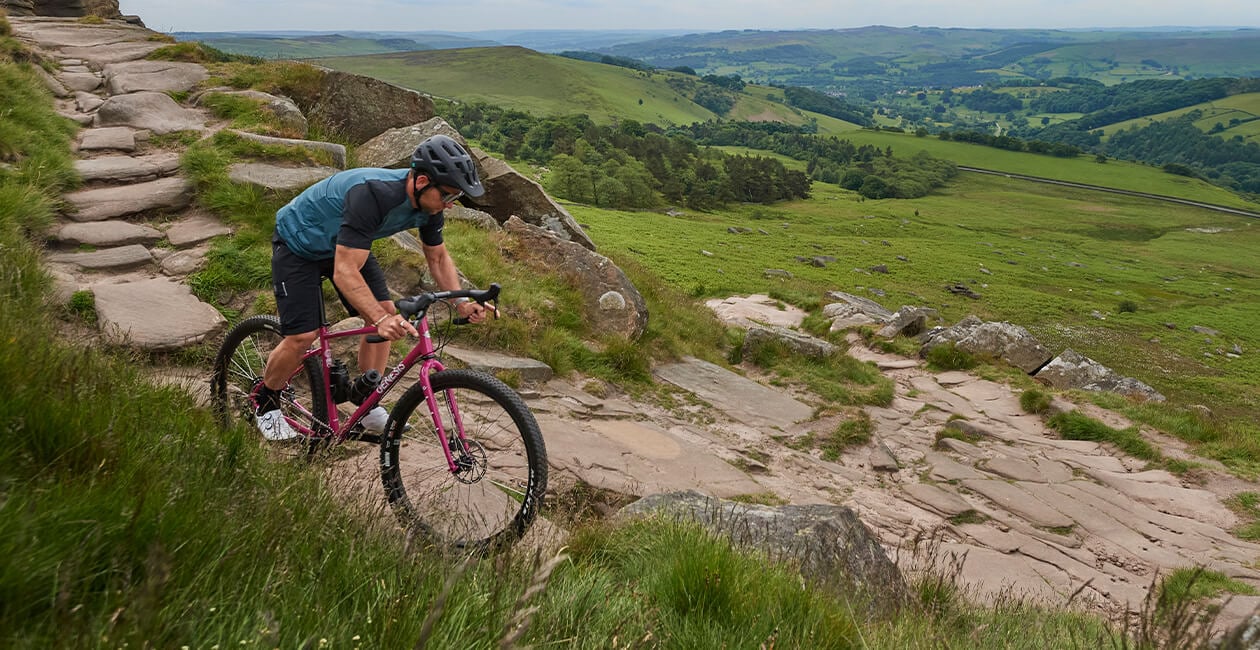
The Genesis Vagabond is the most off-road-oriented platform within the Genesis range: a bike designed to go beyond the limits of traditional gravel and handle more technical terrain, heavier loads and extended use.
It is not built for speed on tarmac, but for real dirt capability, stability and freedom of configuration.
It is suitable for riders who:
- want to do bikepacking even on demanding routes
- find a traditional gravel bike limiting
- are looking for a robust, stable and adaptable bike
New Vagabond geometry: what really changes
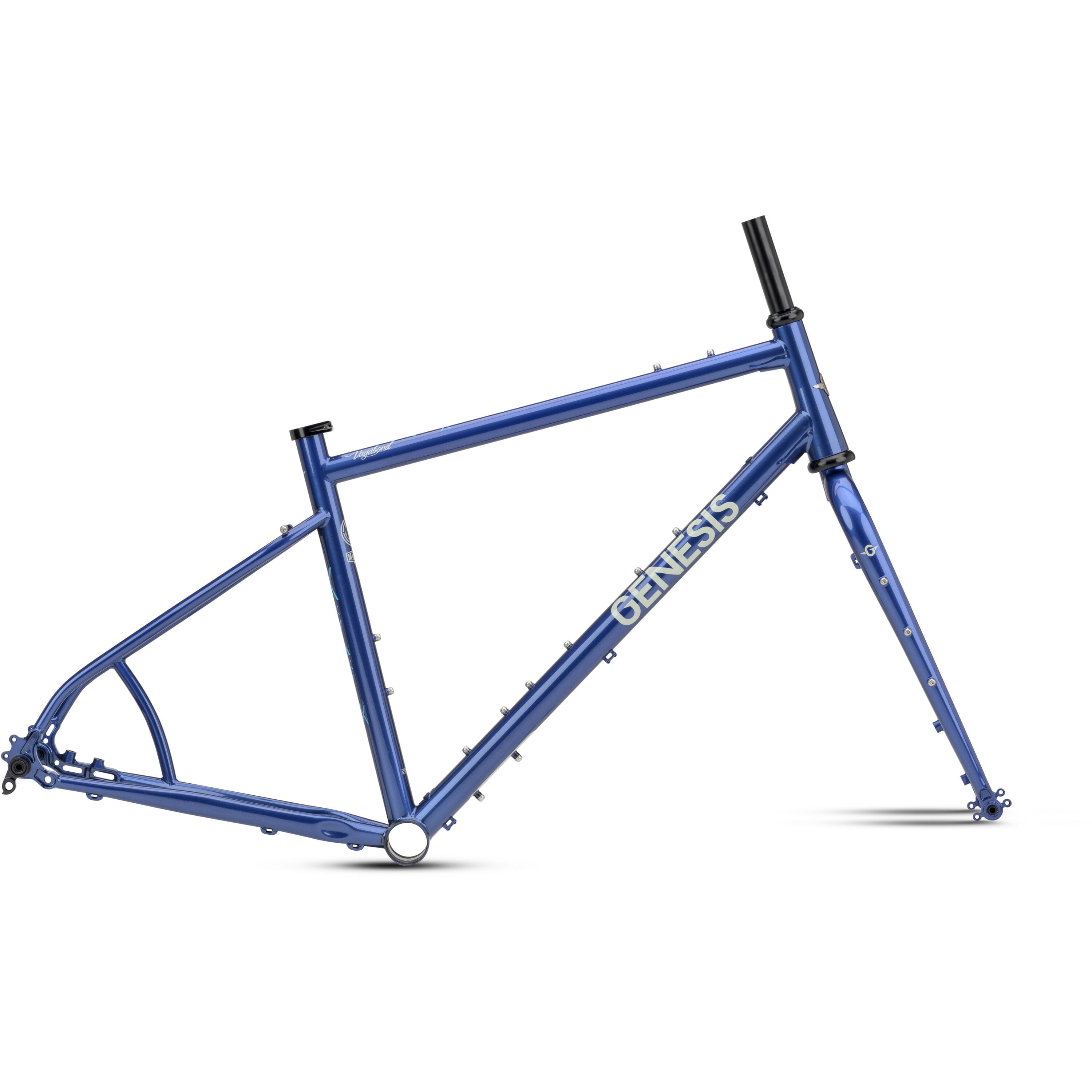
The new-generation Vagabond introduces a radical change compared to previous models.
- longer geometry
- slacker front end
- greater stability
On the previous version:
- more compact position
- short front end
- higher likelihood of toe overlap
On the new one:
- more space between rider and front wheel
- more natural and less cramped handling
- more stable behaviour under load
it is a fundamental shift: it is not an update, it is a platform change.
Vagabond and gravel: why they are not the same thing
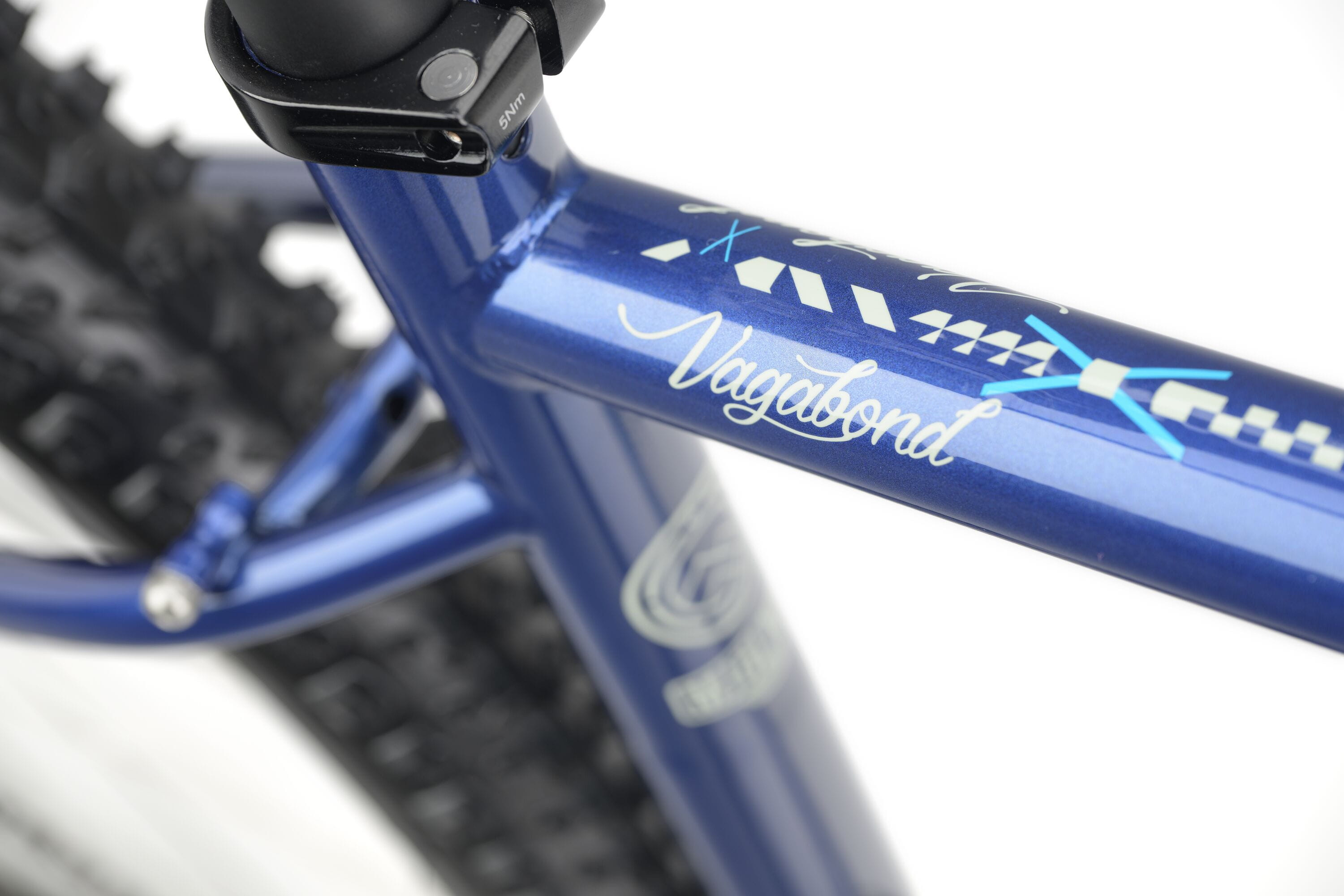
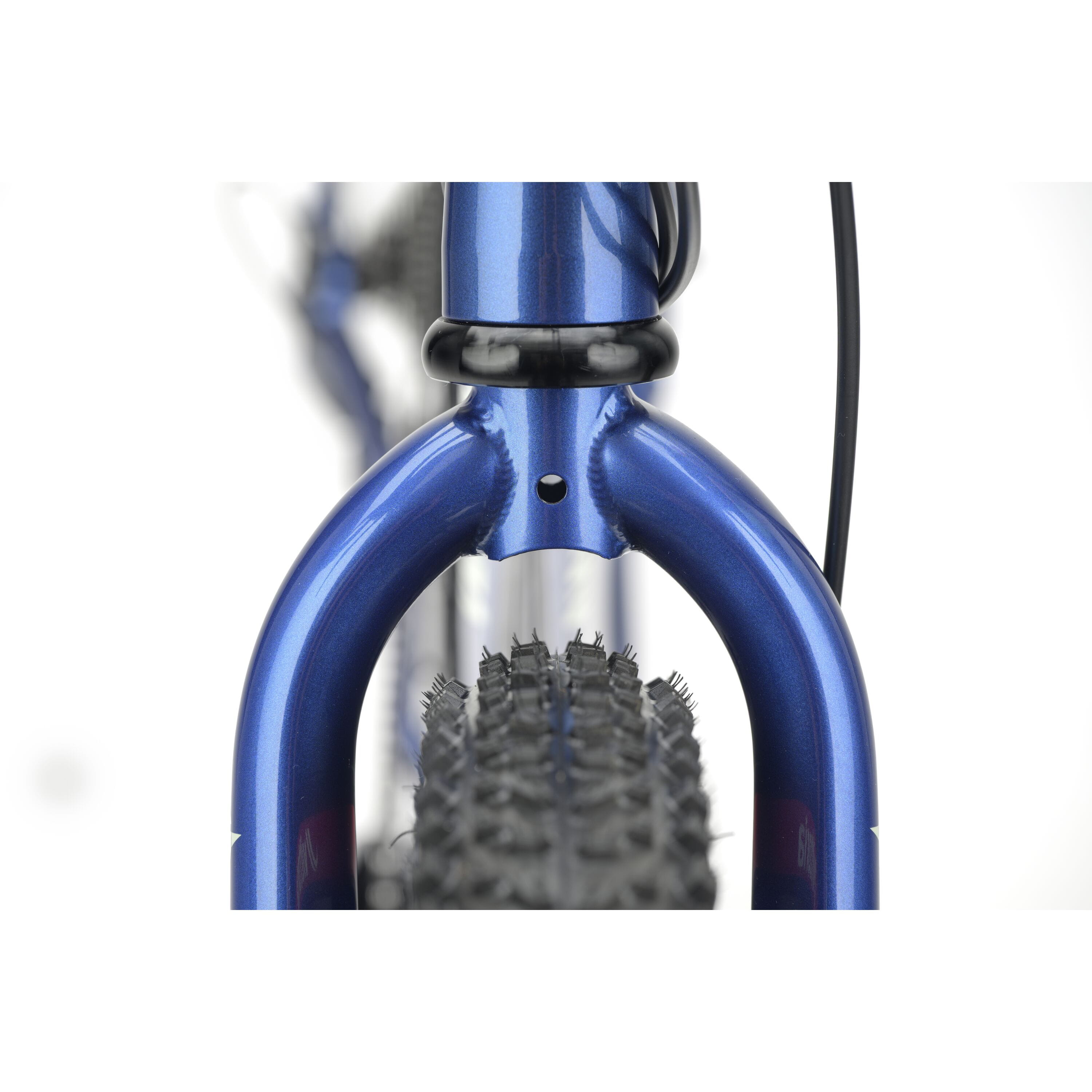
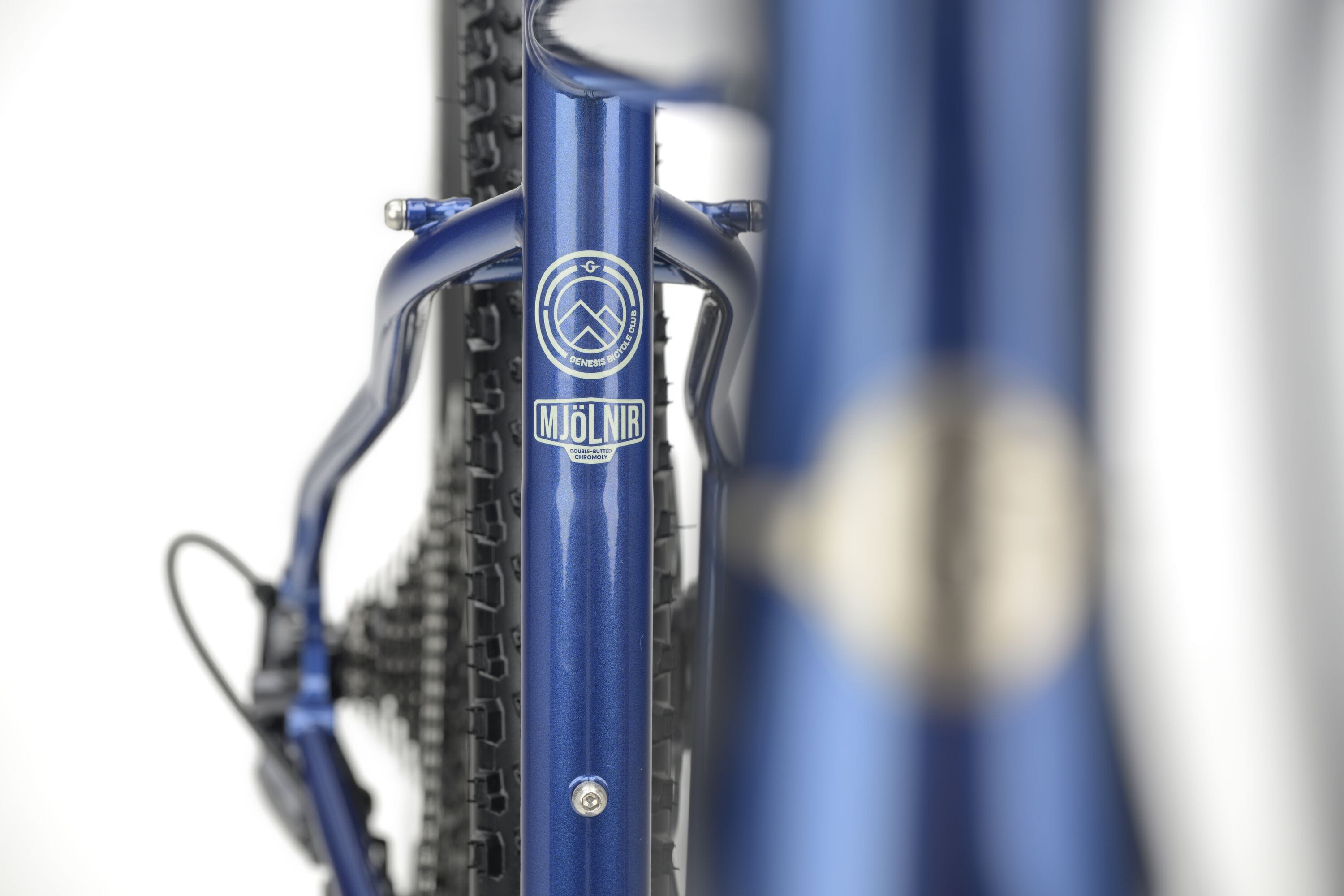
The Vagabond is often associated with gravel, but in reality it sits beyond it.
Main differences:
- tyres up to 2.35”
- slacker geometry (69°)
- long wheelbase
- MTB compatibility (Boost 148)
Result:
- less fast on tarmac
- much more capable off-road
If a gravel bike is a “mixed-use” bike, the Vagabond is a bike oriented toward off-road riding and load carrying.
Vagabond, Croix de Fer and Tour de Fer: real differences
Within the Genesis range:
- Croix de Fer → versatile gravel
- Vagabond → off-road / technical adventure
- Tour de Fer → road touring
In summary:
- you want speed and versatility → Croix de Fer
- you want off-road capability → Vagabond
- you want to travel on the road → Tour de Fer
Vagabond 10, 20 and frameset: which one to choose
The platform is the same, but the level of specification changes.
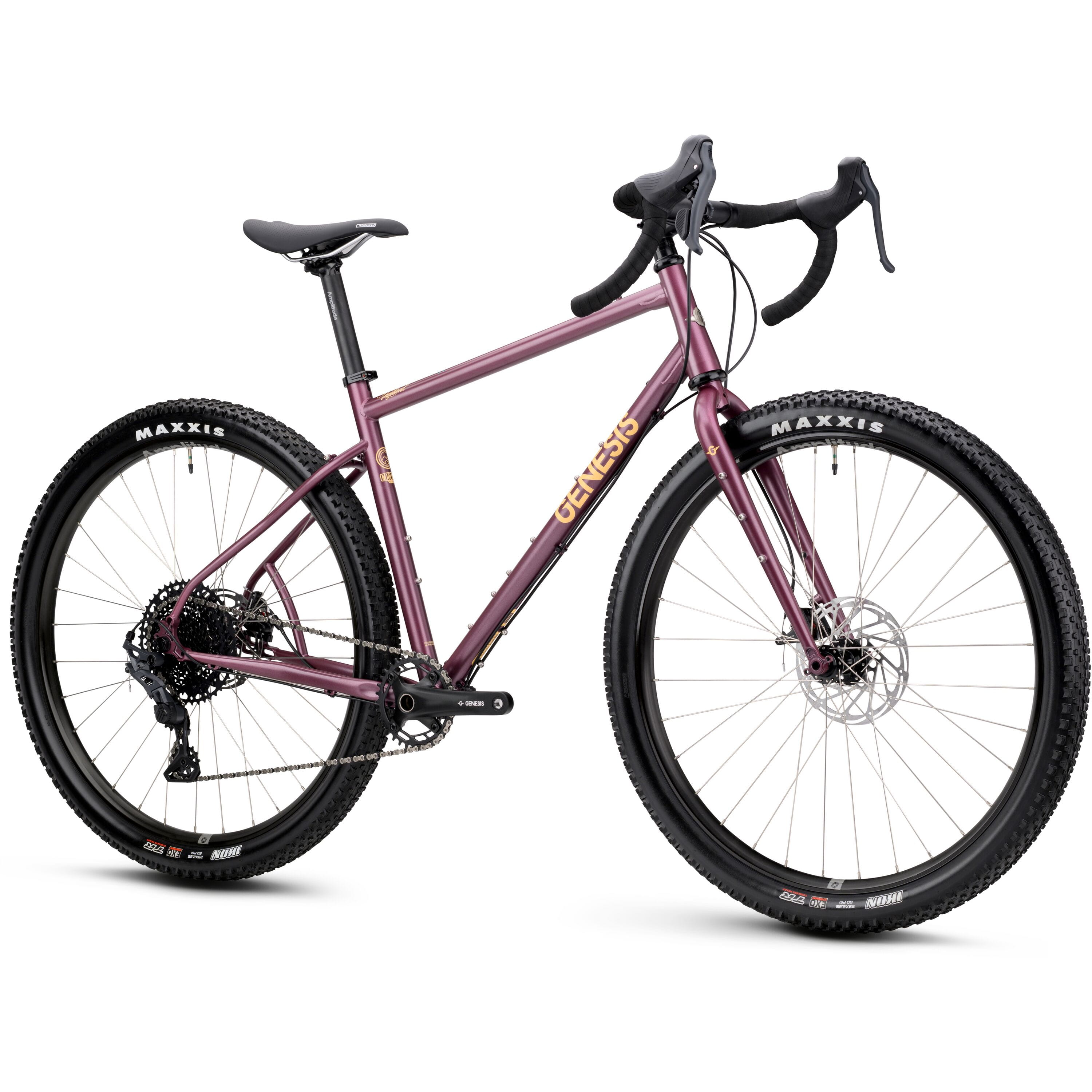
- microSHIFT groupset
- simple and effective setup
- ideal as a first approach
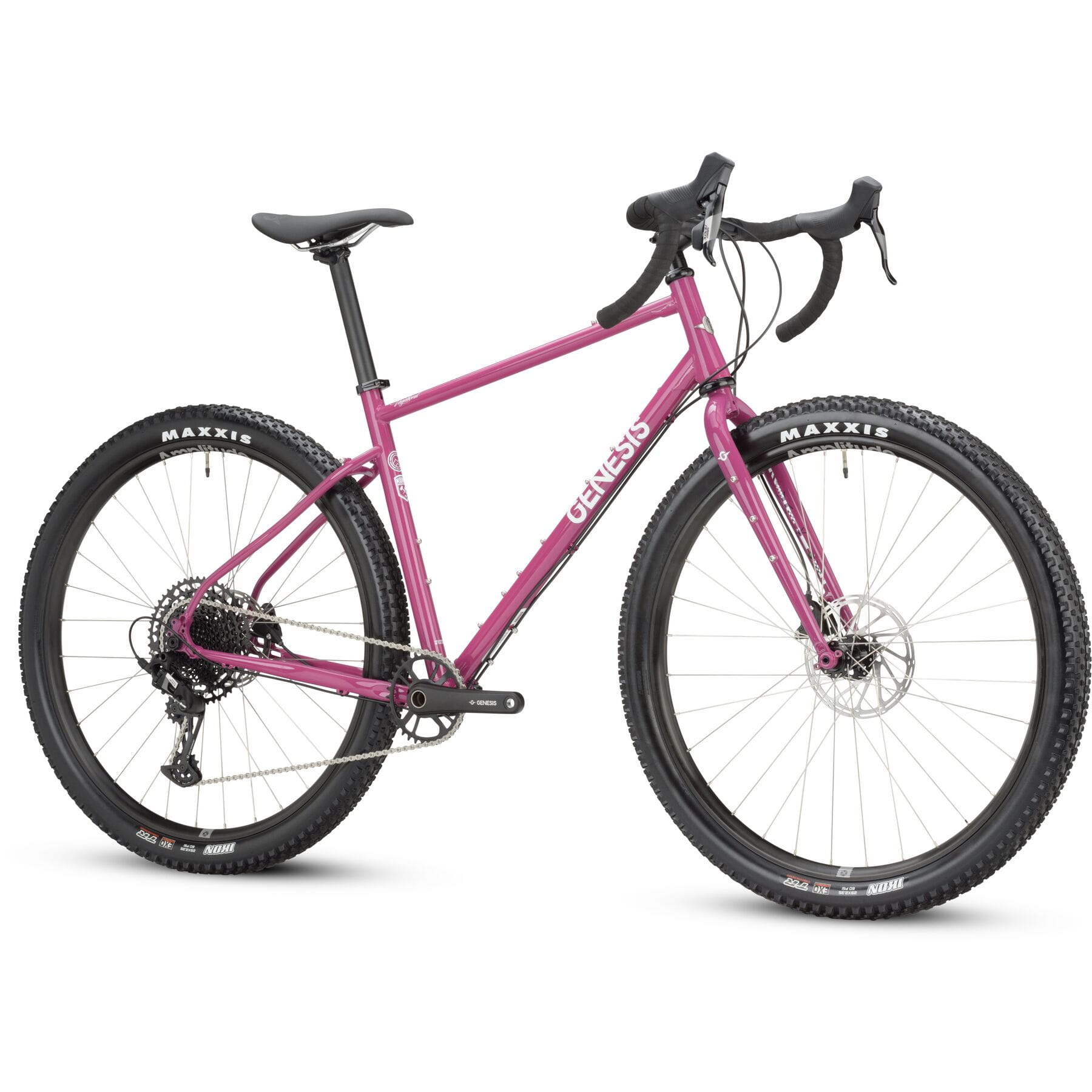
- SRAM 1x12 groupset
- hydraulic brakes
- greater control and precision
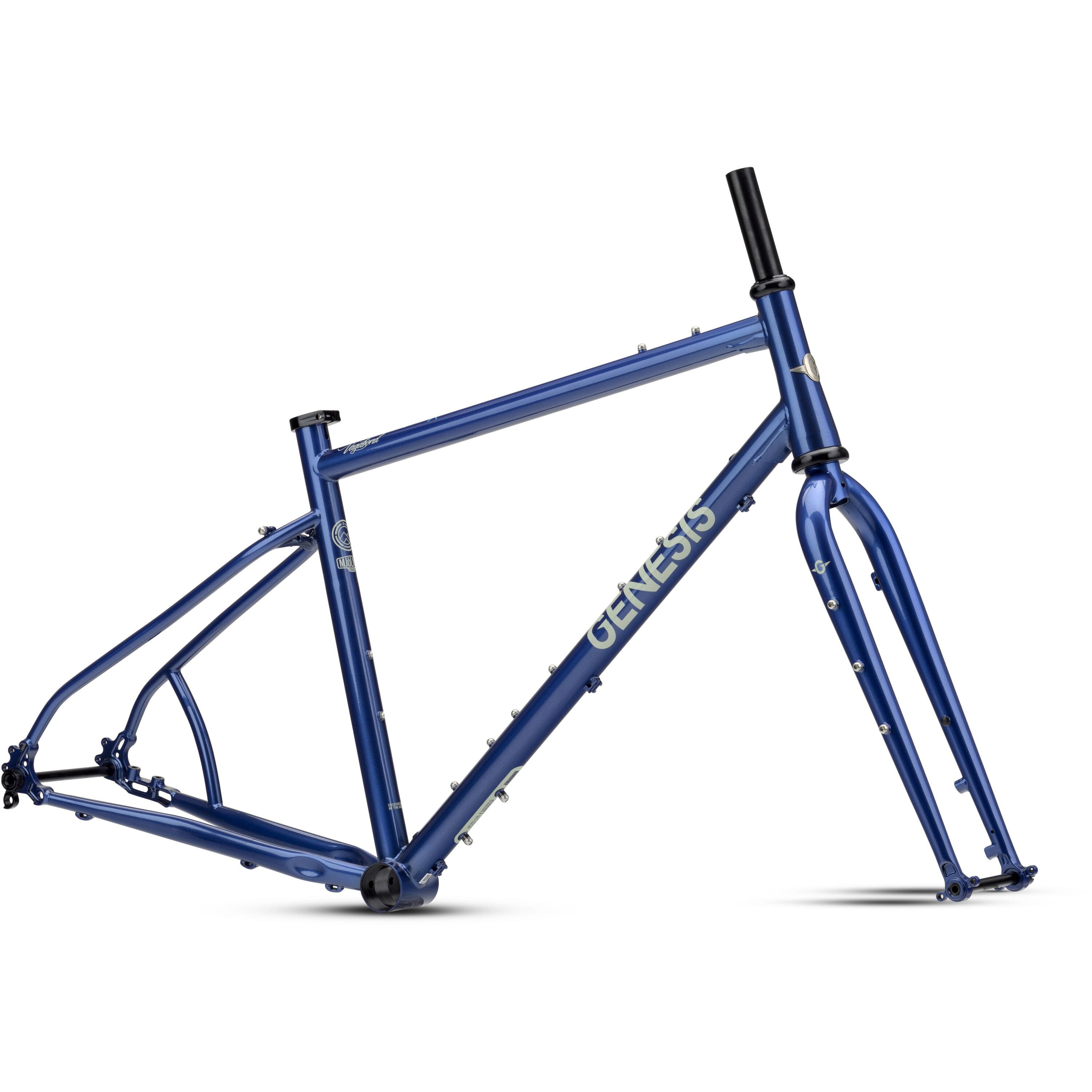
- total freedom of configuration
- ideal for custom builds
- compatible with MTB components and hybrid solutions
How to configure a Vagabond (real setups)
The Vagabond is an open platform. With the same frame, its behaviour changes completely.
Typical configurations:
- loaded bikepacking → 2.2–2.35" tyres, very low gearing
- “aggro” gravel → faster rolling but still highly capable
- flat bar → more MTB-style setup
- hybrid → compromise between road and off-road
The result depends on the coherence of the configuration.
When to choose a Vagabond (and when not to)

Choose it if:
- you want to move beyond classic gravel
- you ride real dirt
- you travel on mixed and technical routes
Avoid it if:
- you ride mainly on tarmac
- you are looking for speed
- you want a balanced “do-it-all” bike
Frequently asked questions about the Genesis Vagabond
Is the Vagabond a gravel bike?
No, it is a platform more oriented toward off-road riding and bikepacking.
What is the difference between the Vagabond 10 and 20?
The 20 has more advanced components (drivetrain and brakes), but the base platform is the same.
Is it suitable for bikepacking?
Yes, it is one of the most suitable platforms for loads and demanding terrain.
Is it difficult to ride?
No, the stable geometry makes it intuitive, especially off-road.
Can I use it on the road?
Yes, but that is not its ideal use.
Conclusion
The Genesis Vagabond is not just a tougher gravel bike.
It is a platform designed for a different kind of use: freer, more technical, less tied to tarmac.
If your goal is to explore, carry gear and move beyond predictable routes, it is one of the most coherent options within the Genesis range.