
- One bike for everything? Why the question is the wrong one
- When a do-it-all bike is a myth
- When a do-it-all bike is actually real
- The secret isn’t doing everything, it’s staying coherent
- The frame as a long-term platform
- Well-made Swiss Army knives: real-world examples
- A do-it-all bike as a rational choice
- Frequently asked questions about do-it-all bikes
One bike for everything? Why the question is the wrong one
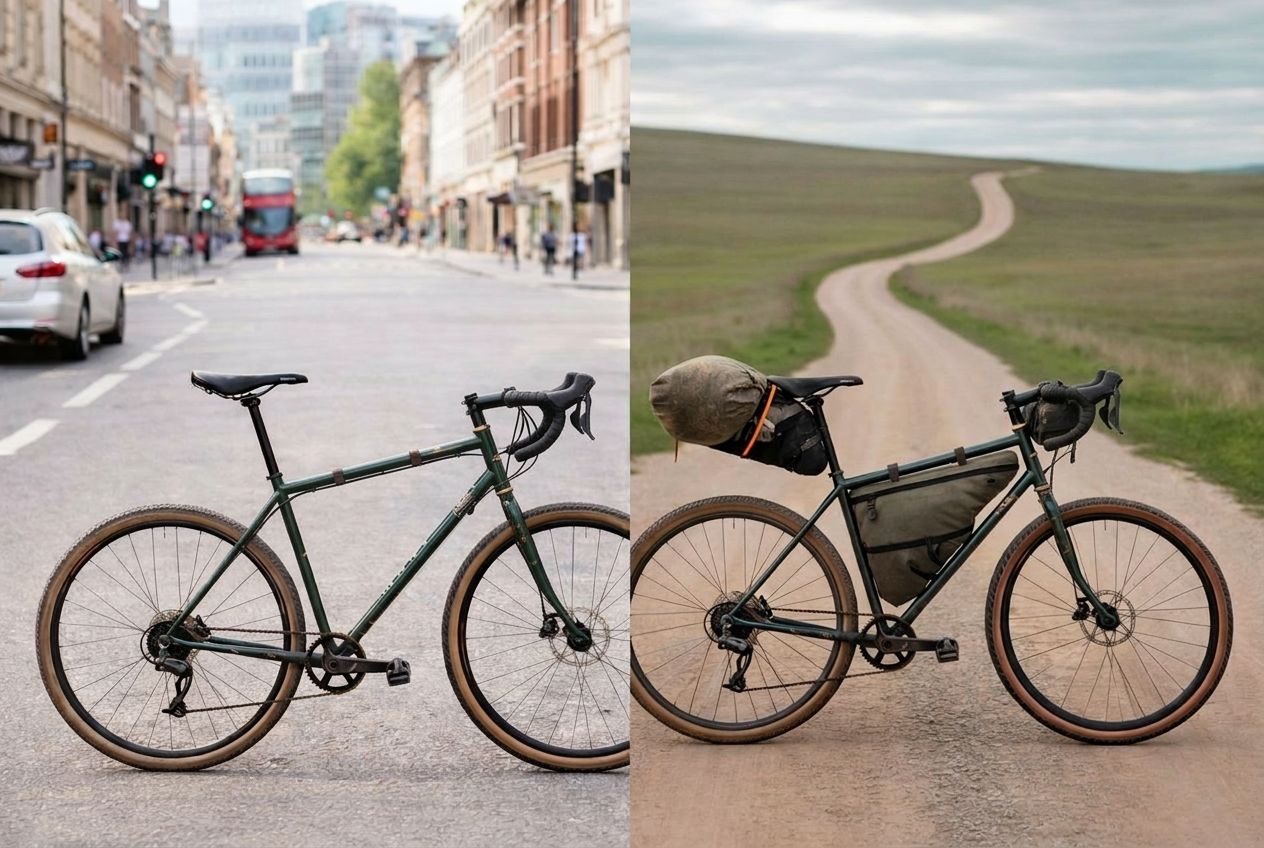
It’s one of the most common questions in the gravel and adventure world:
does a true do-it-all bike really exist, able to adapt to any kind of riding?
The right answer is neither an absolute yes nor an absolute no.
A do-it-all bike is a myth when you’re chasing very specific performance and clearly defined use cases.
It becomes a practical reality when you’re talking about needs that evolve over time, hybrid riding, and bikes designed as adaptable platforms.
Understanding this distinction is key to choosing a bike that truly works, not just at the moment you buy it.
When a do-it-all bike is a myth
There are situations where specialization is a necessity, not a limitation.
That happens when:
-
your main goal is performance on tarmac
-
you ride technical MTB terrain
-
you take on long trips with very heavy and consistent loads
-
you ride with clear sport or race-oriented goals

This is true for , as well.
Despite its similarities to gravel, a cyclocross bike is a highly specialized tool: aggressive geometry, tighter tire clearance, a nervy feel, and race regulations make it extremely effective in its own arena, but poorly suited to being reinterpreted over time. It’s no coincidence that cyclocross remains a category of its own.
In all these cases, talking about a do-it-all bike is misleading.
When the use case is clear and stable, the right bike is a dedicated one.
When a do-it-all bike is actually real
The idea of a do-it-all bike makes sense when your riding isn’t rigid.
Many riders:
-
mix tarmac and dirt
-
change pace, goals and types of rides over the years
-
move from commuting to adventure, from fast gravel to travel
-
want one bike that never becomes the wrong choice
In these cases you don’t need a bike that excels at everything, but a bike that never feels out of place.
That’s where a true do-it-all bike comes from: not as a sum of performances, but as design balance.
The secret isn’t doing everything, it’s staying coherent
Truly versatile bikes share a few key characteristics.
They don’t push extremes:
-
extreme angles
-
radical wheelbases
-
overly specialized positions
Instead, they focus on:
-
balanced geometry
-
stable weight distribution
-
generous tire clearance
-
predictable handling with and without luggage
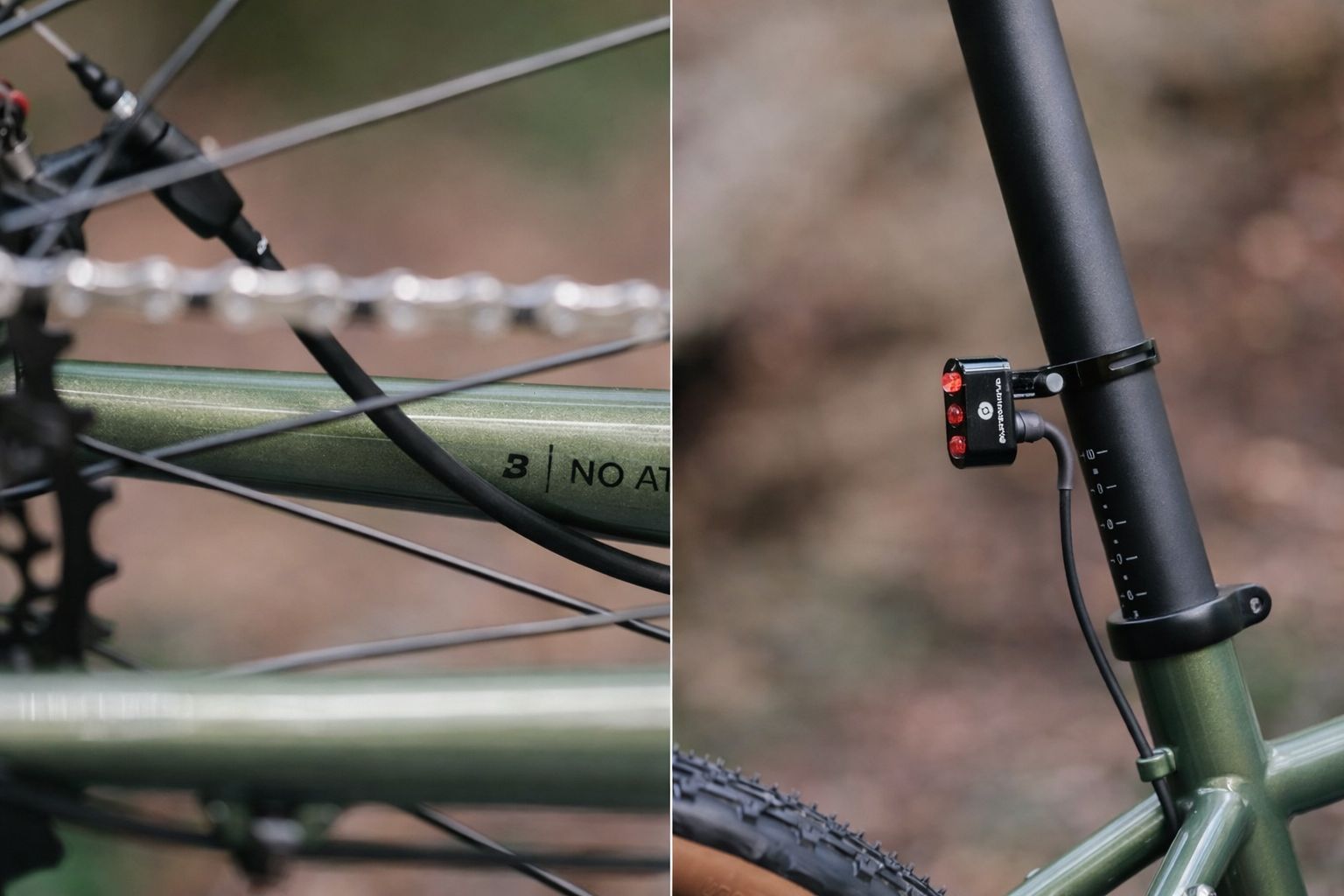
They are bikes that:
-
stay controllable when the terrain gets rough
-
don’t become slow or clumsy on tarmac
-
accept different setups without losing their character
Versatility doesn’t come from excess, but from restraint.
The frame as a long-term platform
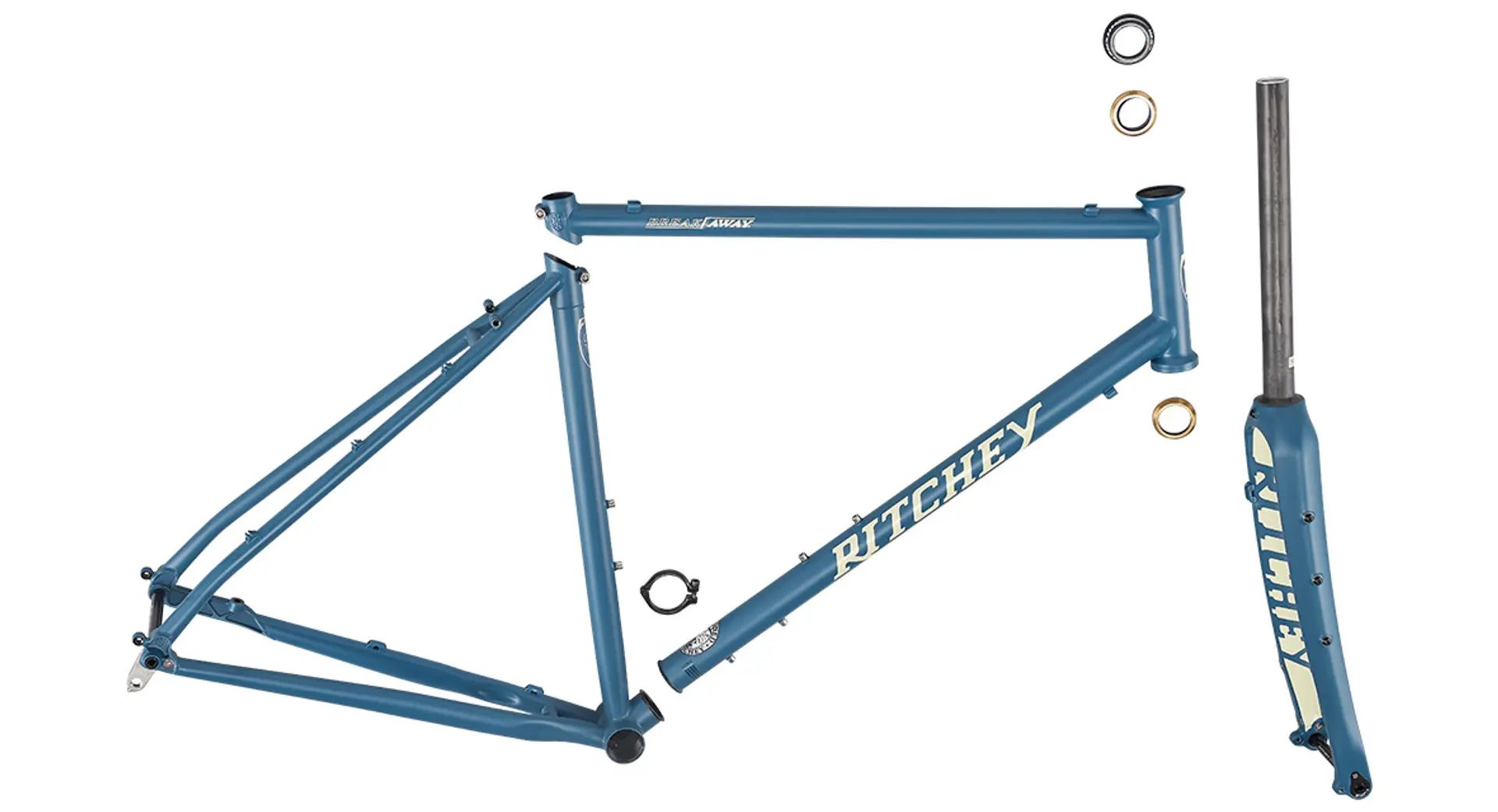
This is where a central idea comes in: the frame as the foundation of a project, not a finished product.
A true do-it-all bike is never final.
It’s a platform that can evolve over time, following the rider.
Things change:
-
wheels
-
tires
-
gearing
-
cockpit
-
luggage
-
use case
In this context, long-lasting materials like steel are still extremely relevant. Not out of nostalgia, but because they make functional sense:
-
structural comfort
-
durability
-
repairability
-
long-term geometric stability
A good foundation lets you adapt everything else without starting over.
Well-made Swiss Army knives: real-world examples
Genesis: balance and adaptability
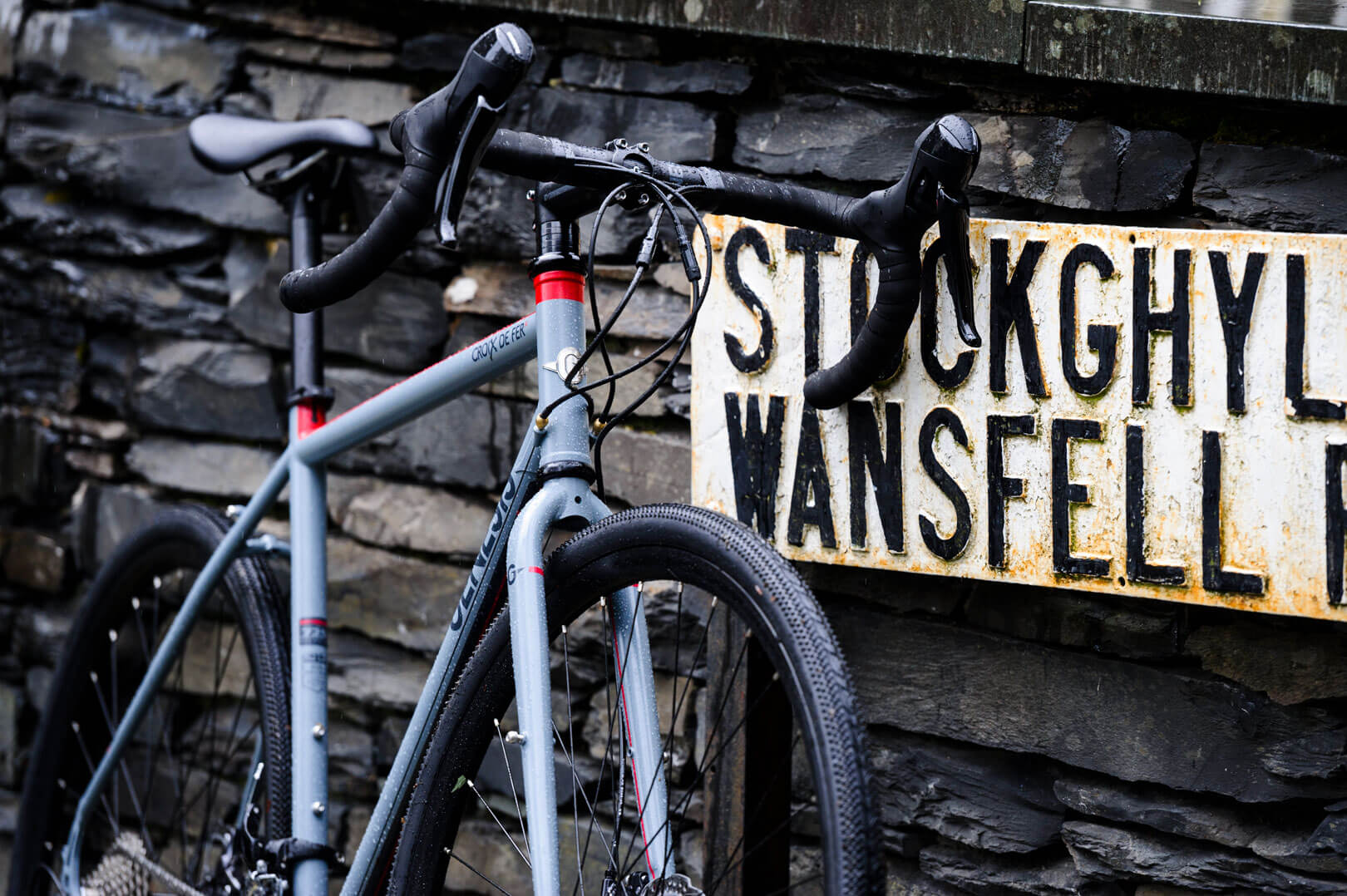
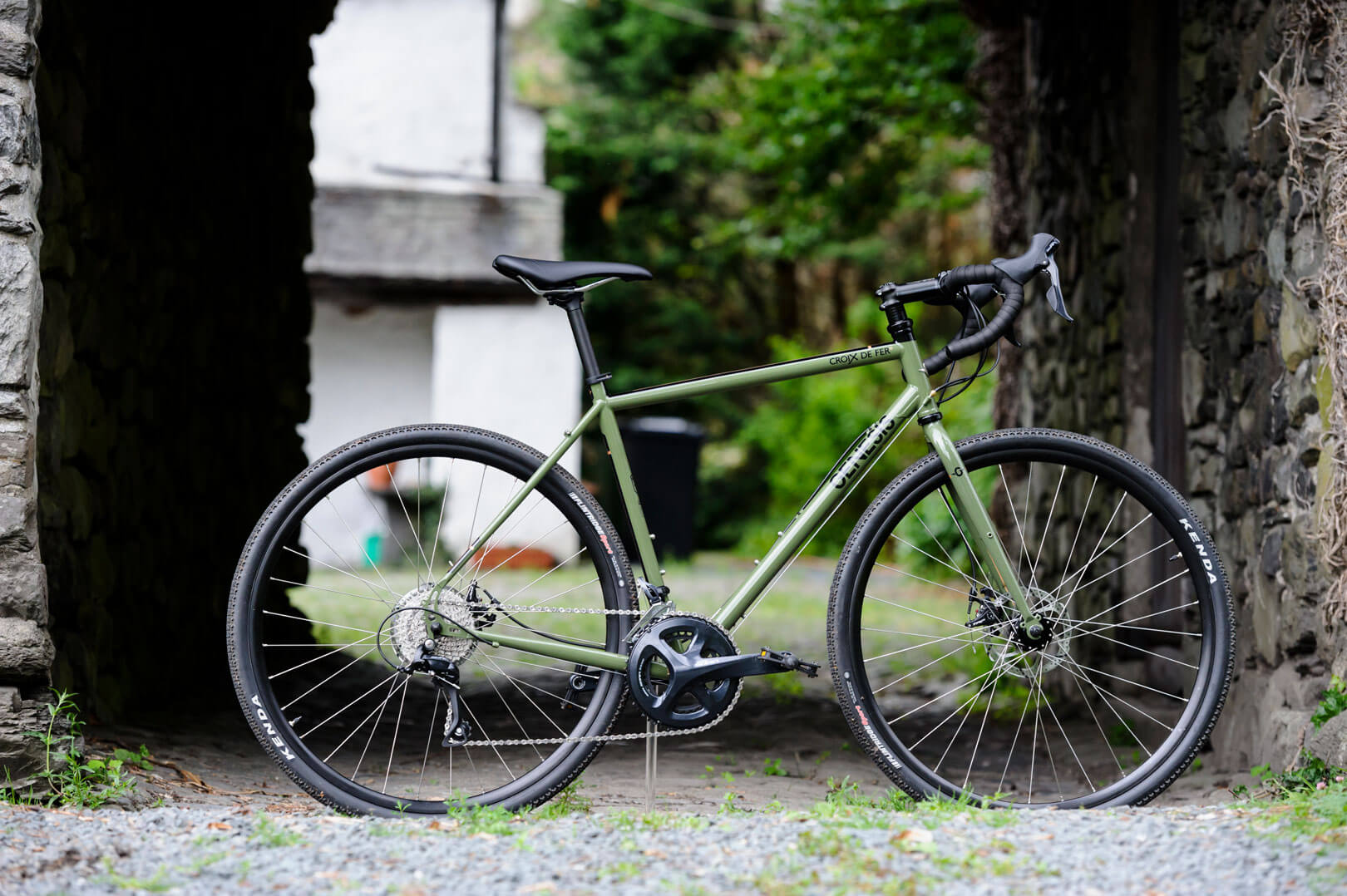
Genesis is one of the brands that best embodies the idea of a thoughtfully designed do-it-all bike.
Models like the Genesis Croix de Fer, Gravel & Allroad cathegory, and the Genesis Vagabond have become benchmarks precisely because they can adapt to very different contexts.
In the most recent versions, increased clearance at the frame and fork has pushed this platform beyond traditional gravel, bringing it closer to the adventure world without losing speed and smoothness on tarmac.
The point isn’t to do everything better than everyone else, but to stay coherent, whether it’s commuting, dirt riding, light touring, or everyday use.
Bombtrack: modern versatility
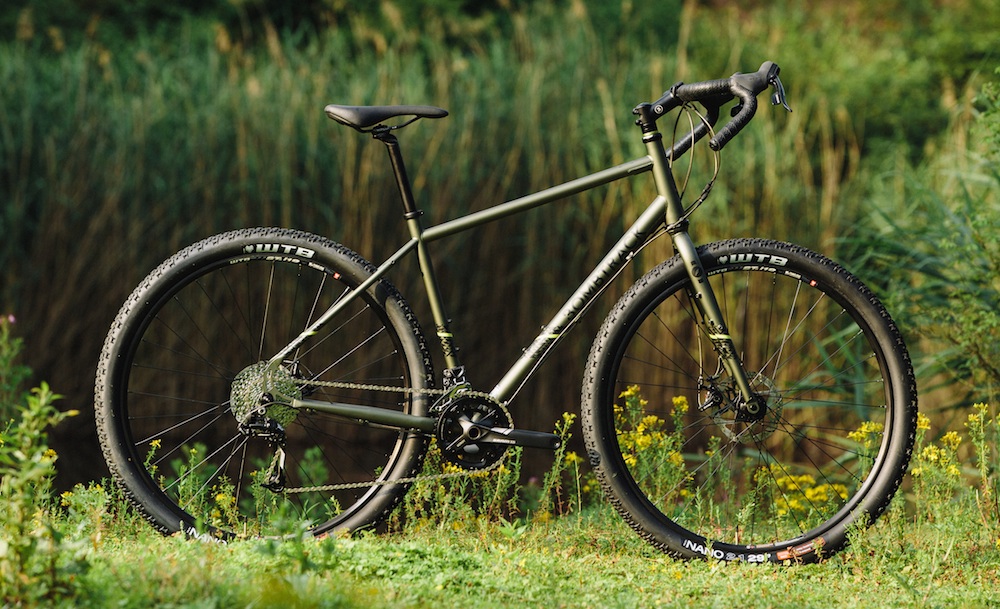
Bombtrack interprets the do-it-all concept in a modern way, with stable geometry, comprehensive mounts, and a focus on real-world riding.
The Bombtrack Beyond 1 is a clear example: a bike built for adventure, yet able to work well with lighter, more dynamic setups, or loaded for longer trips, without losing balance in the way it rides.
Ritchey: the frame as a project
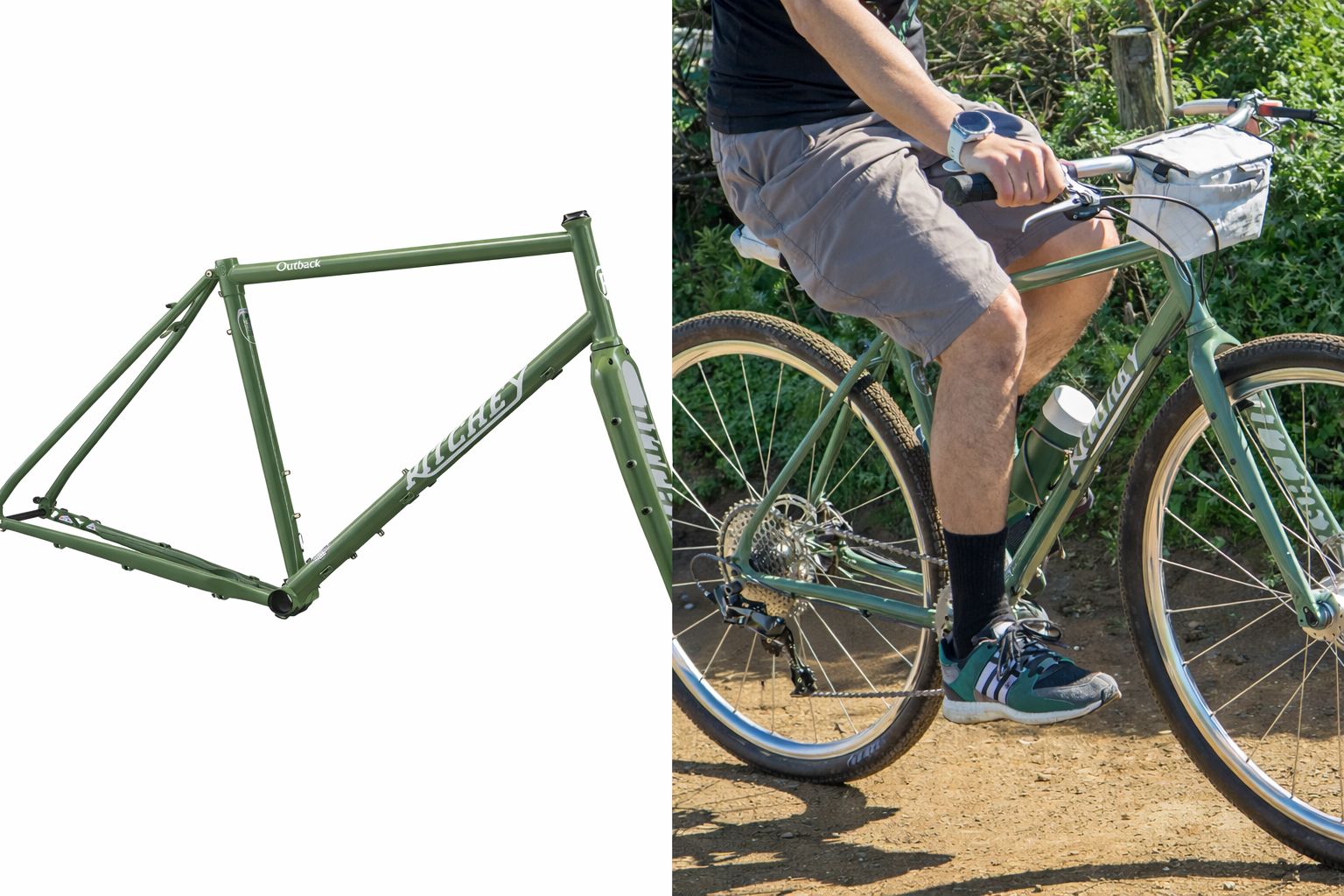
In the world of versatile frames, the Ritchey Outback is a strong example of an adaptable platform.
It’s not a “do-it-all” frame in a superficial sense, but a solid, coherent foundation:
-
balanced geometry
-
generous tire clearance
-
stable handling across different surfaces
It can be built as a fast gravel bike, a comfortable allroad, or a light adventure setup, while keeping predictable handling. It’s a classic example of a frame that grows with the rider.
Salsa and Surly: versatility without trends
Salsa and Surly represent a similar philosophy: bikes and frames designed to last, adapt, and work well across very different contexts.
Here, a do-it-all bike is never an absolute promise, but a deliberate balance between geometry, mounts, materials, and real-world use. These are projects that put long-term function at the center, not the race for trends.
A do-it-all bike as a rational choice
Choosing a well-designed do-it-all bike isn’t a romantic decision.
It’s a rational one.
It means:
-
reducing impulse purchases
-
avoiding unnecessary upgrades
-
building a longer, more conscious relationship with your bike
-
riding more, thinking less about what’s missing
A do-it-all bike isn’t the one that promises to do everything.
It’s the one that keeps working even as your needs change.
Frequently asked questions about do-it-all bikes
What exactly is a do-it-all bike?
A do-it-all bike isn’t a perfect bike in every context, but a bike designed to work well across different uses without becoming the wrong choice. Its strength is coherence, not extreme specialization.
Does a do-it-all bike make sense for gravel riders?
Yes, especially in gravel and adventure riding. The variety of terrain, pace, and use cases makes it sensible to choose an adaptable platform rather than an extremely specialized bike.
Can a cyclocross bike be a do-it-all bike?
Generally not. Cyclocross bikes are designed for a very specific, regulated use. Outside that context they often feel rigid, nervous, and not easily adaptable over time.
What role does geometry play in a do-it-all bike?
A fundamental one. Balanced geometry helps a bike remain stable, predictable, and comfortable across different contexts. Angles or proportions that are too extreme limit versatility.
Why are many do-it-all frames made of steel?
Because steel offers structural comfort, durability, and repairability. In a project meant to last for years and evolve over time, these qualities matter.
Can a do-it-all bike handle loaded travel?
Yes, if it’s designed for it. An appropriate wheelbase, mounts for bags, and stable handling under load are key. Not every versatile bike is suitable for the same level of luggage.
Is it better to start with a complete bike or a frame for a do-it-all project?
It depends. A well-designed complete bike is an immediate, effective solution. A versatile frame lets you build a more personalized project that can evolve over time.
Is a do-it-all bike a “compromise” choice?
Only if the project is wrong. A good do-it-all bike doesn’t give up everything; it makes thoughtful choices to stay coherent across multiple contexts.