
- What is the Genesis Croix de Fer and who is it for
- Differences between Genesis Croix de Fer models
- Reynolds 725 vs 931 vs Titanium: key differences
- Which Genesis Croix de Fer should you choose
- Croix de Fer 10, 20, 30, 40, 50: quick comparison
- Croix de Fer frameset: which one to choose (725, 931, titanium)
- Genesis Croix de Fer range comparison table
- Genesis Croix de Fer FAQ
- Conclusion
What is the Genesis Croix de Fer and who is it for

The Genesis Croix de Fer is one of the most established and recognizable gravel bike platforms. Originally designed as a “do-it-all” bike, it has evolved over time while maintaining a key principle: the ability to adapt to different riding styles without losing coherence.
Today, it represents a complete range covering:
- urban use and commuting
- gravel riding on mixed terrain
- bikepacking and light touring
- long-distance riding on rough asphalt
Its strength lies not in extreme specialization, but in real-world versatility.
Differences between Genesis Croix de Fer models
The range is structured into several models, each with a clearly defined positioning.
Alongside these, there are also framesets:
- Genesis Croix de Fer 725 frameset
- Genesis Reynolds 931 gravel frameset
- Genesis Croix de Fer titanium frameset
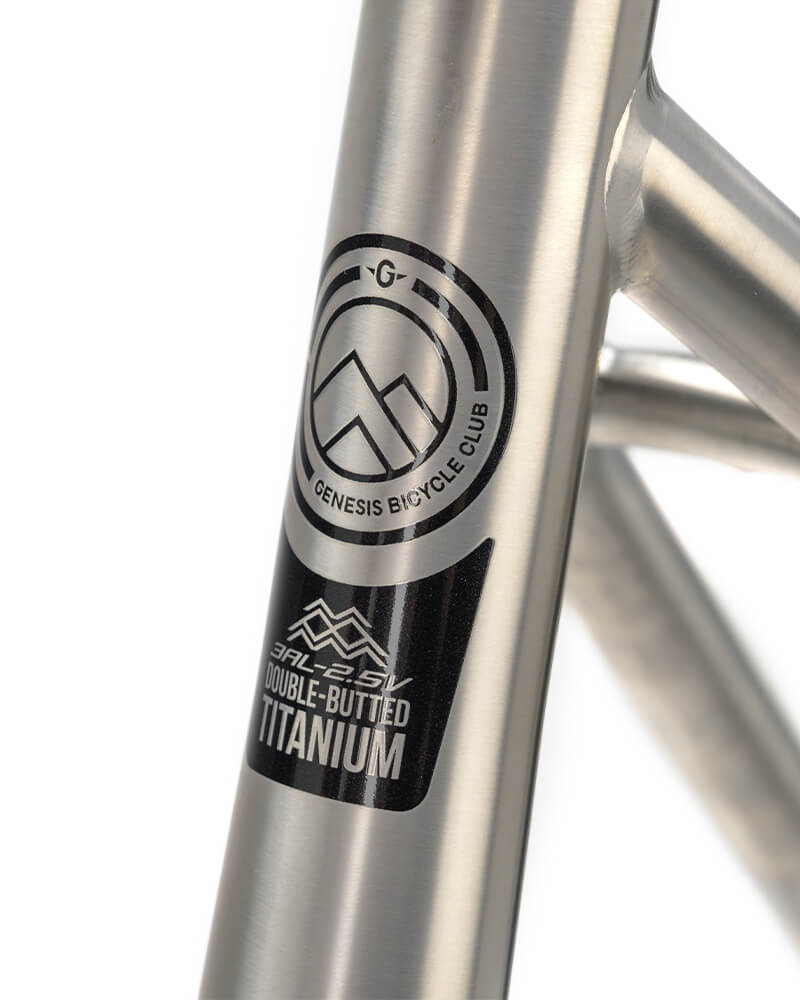
Reynolds 725 vs 931 vs Titanium: key differences
One of the key factors when choosing is the frame material.
.jpg)
Reynolds 725 – balance and reliability
Reynolds 725 is the reference material within the range.
It offers:
- progressive ride feel
- good strength
- long-distance comfort
It is the most versatile choice for mixed use.
Reynolds 931 – more reactive stainless steel
Reynolds 931 is a more advanced option:
- greater stiffness
- more direct response
- corrosion resistance
It is ideal for riders looking for a more precise and performance-oriented ride.
Titanium – lightness and smoothness
The Croix de Fer Ti represents the most advanced version of the platform.
Compared to steel:
- it is lighter
- offers a smoother ride feel
- maintains excellent long-term durability
It is particularly well suited to fast gravel riding and long-distance use.
Which Genesis Croix de Fer should you choose
The choice of model mainly depends on real-world usage.
- daily use and commuting → Croix de Fer 10
- balanced mixed use → Croix de Fer 20
- gravel + long-distance riding → Croix de Fer 30
- dynamic and simple setup → Croix de Fer 40
- intensive and fully equipped use → Croix de Fer 50
Those looking for a custom build can opt for a frameset.
Croix de Fer 10, 20, 30, 40, 50: quick comparison
Croix de Fer 10 – entry level
Genesis Croix de Fer 10 steel gravel bike
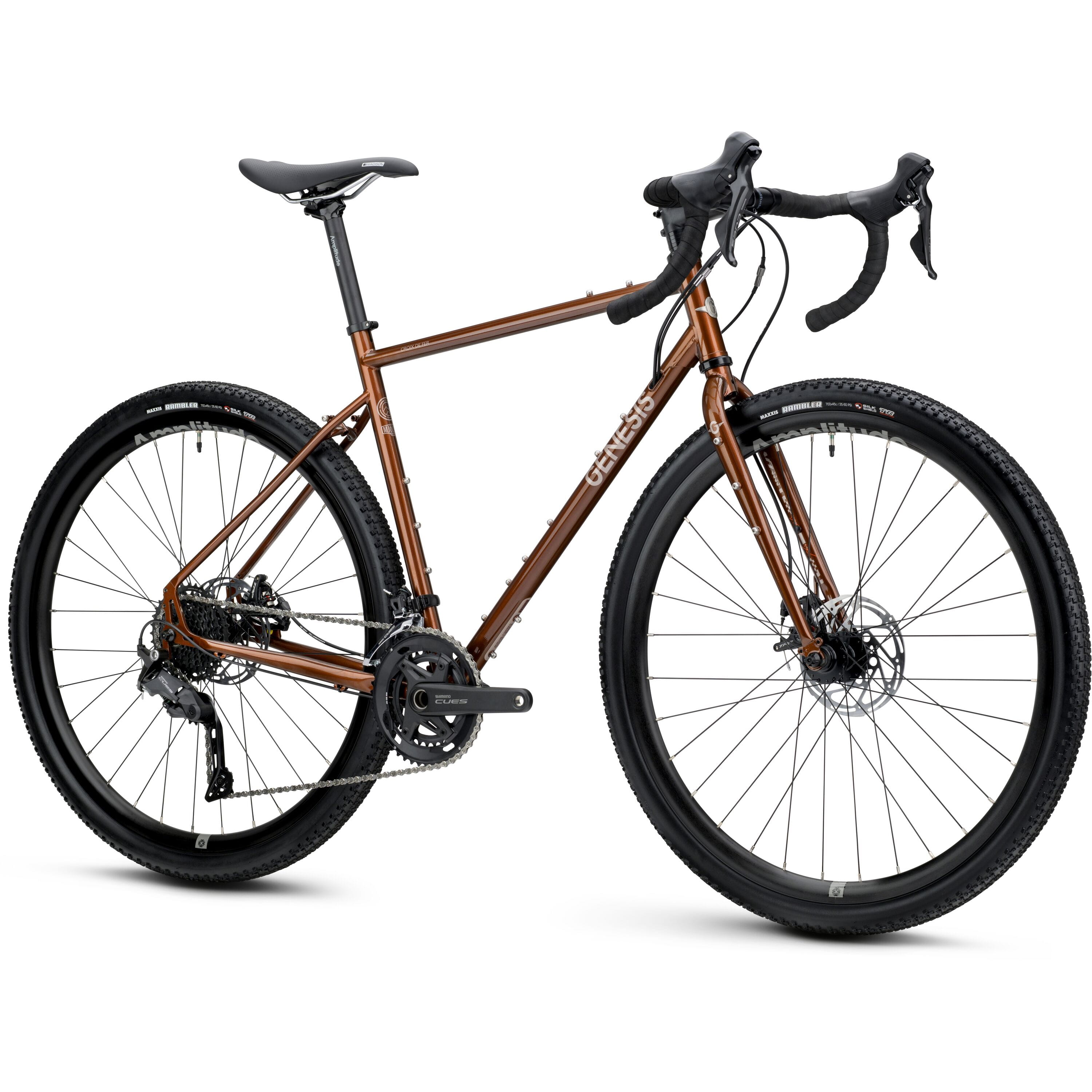
- Mjolnir steel
- Shimano CUES 2x9
- mechanical disc brakes
Designed for simplicity and everyday use.
Croix de Fer 20 – all-rounder
Genesis Croix de Fer 20 all-round gravel bike
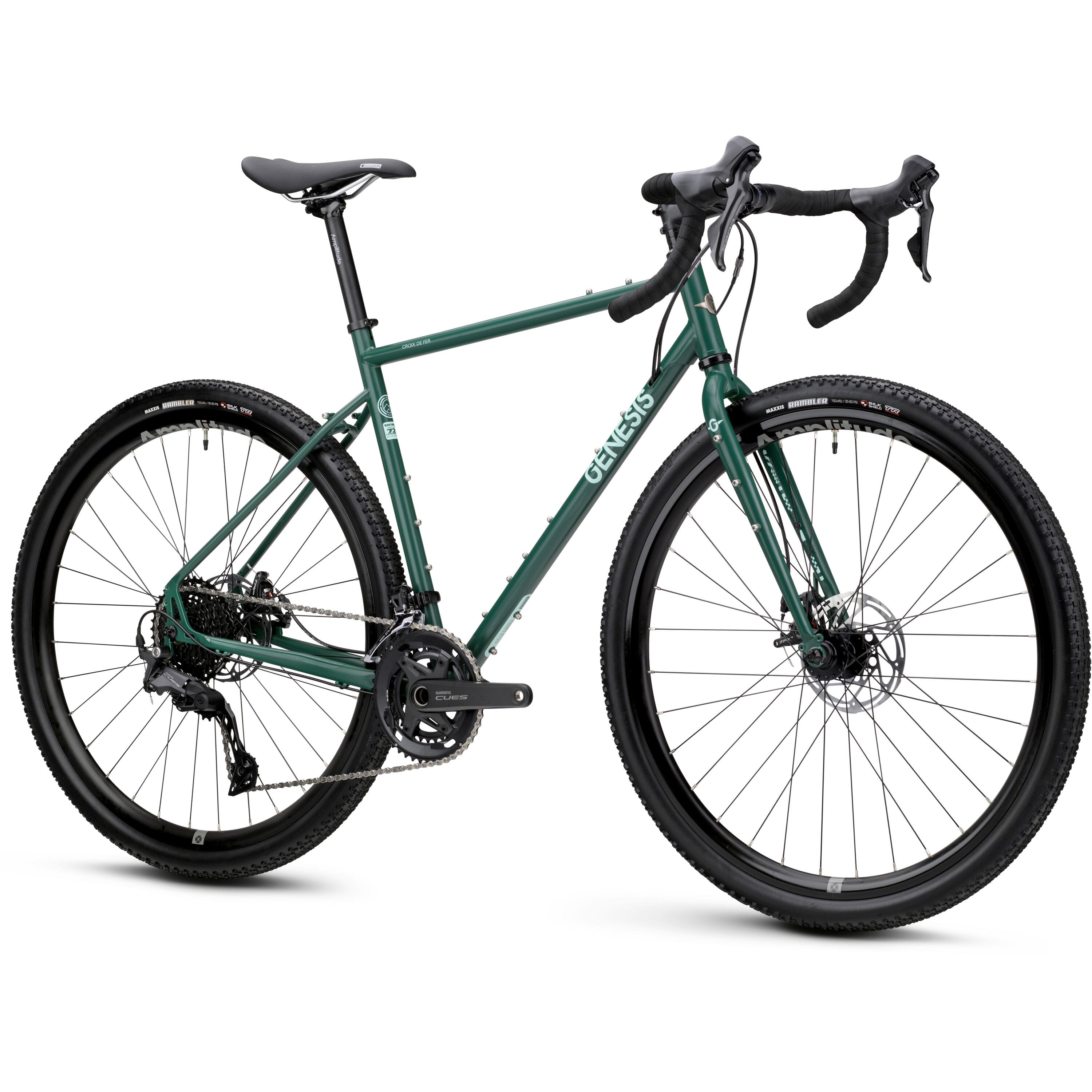
- Reynolds 725
- Shimano CUES 2x10
- mechanical disc brakes
A balanced option between frame quality and price.
Croix de Fer 30 – “do-it-all” platform
Genesis Croix de Fer 30 versatile gravel bike
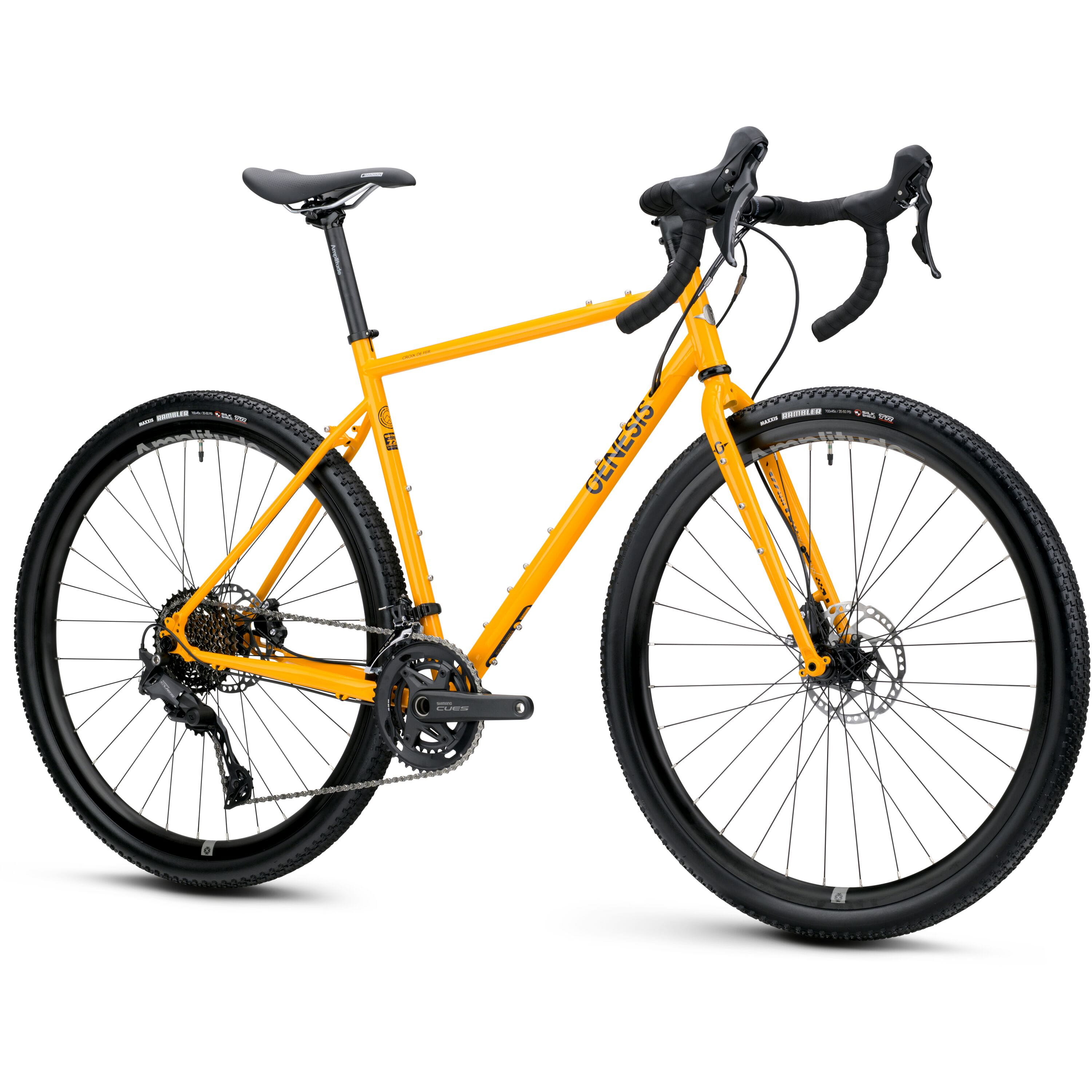
- available in GRX and CUES versions
- hydraulic disc brakes
- high versatility
It is the most versatile model in the range.
Croix de Fer 40 – 1x setup
Genesis Croix de Fer 40 GRX 1x
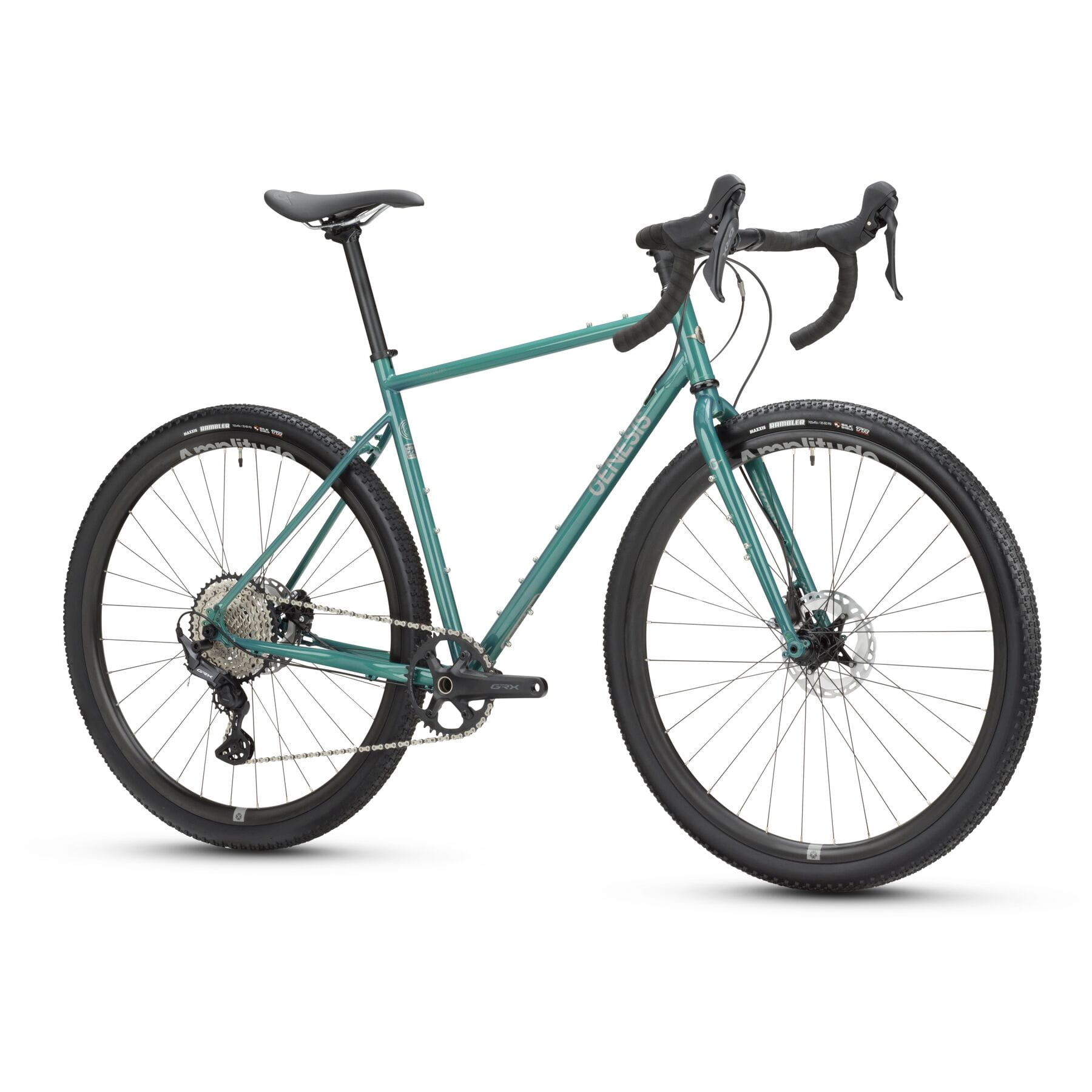
- 1x drivetrain
- more direct riding feel
Suitable for dynamic mixed-terrain riding.
Croix de Fer 50 – top of the range
Genesis Croix de Fer 50 GRX 2x12
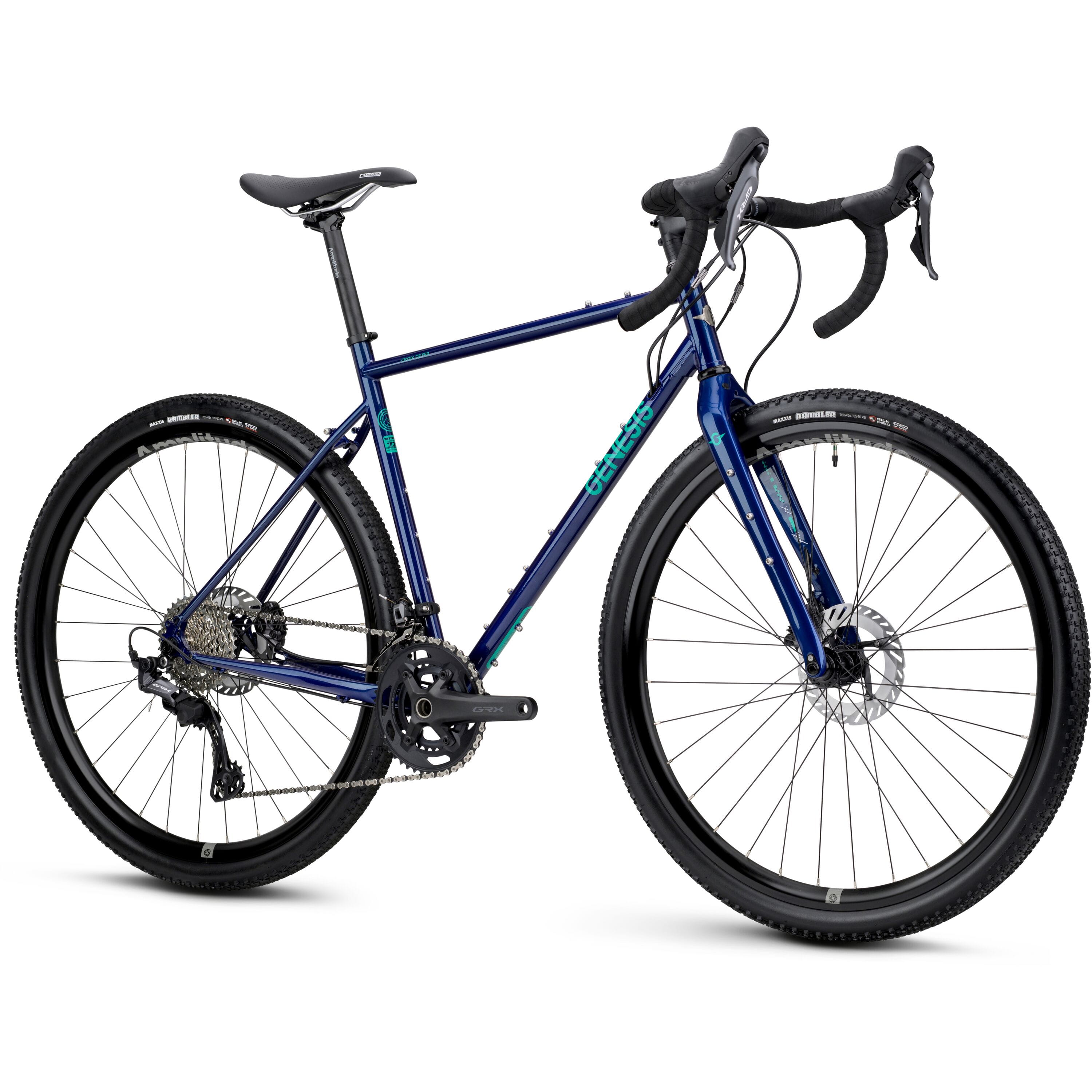
- high-end components
- carbon fork
- maximum versatility
Designed for intensive use and long-distance riding.
Croix de Fer frameset: which one to choose (725, 931, titanium)
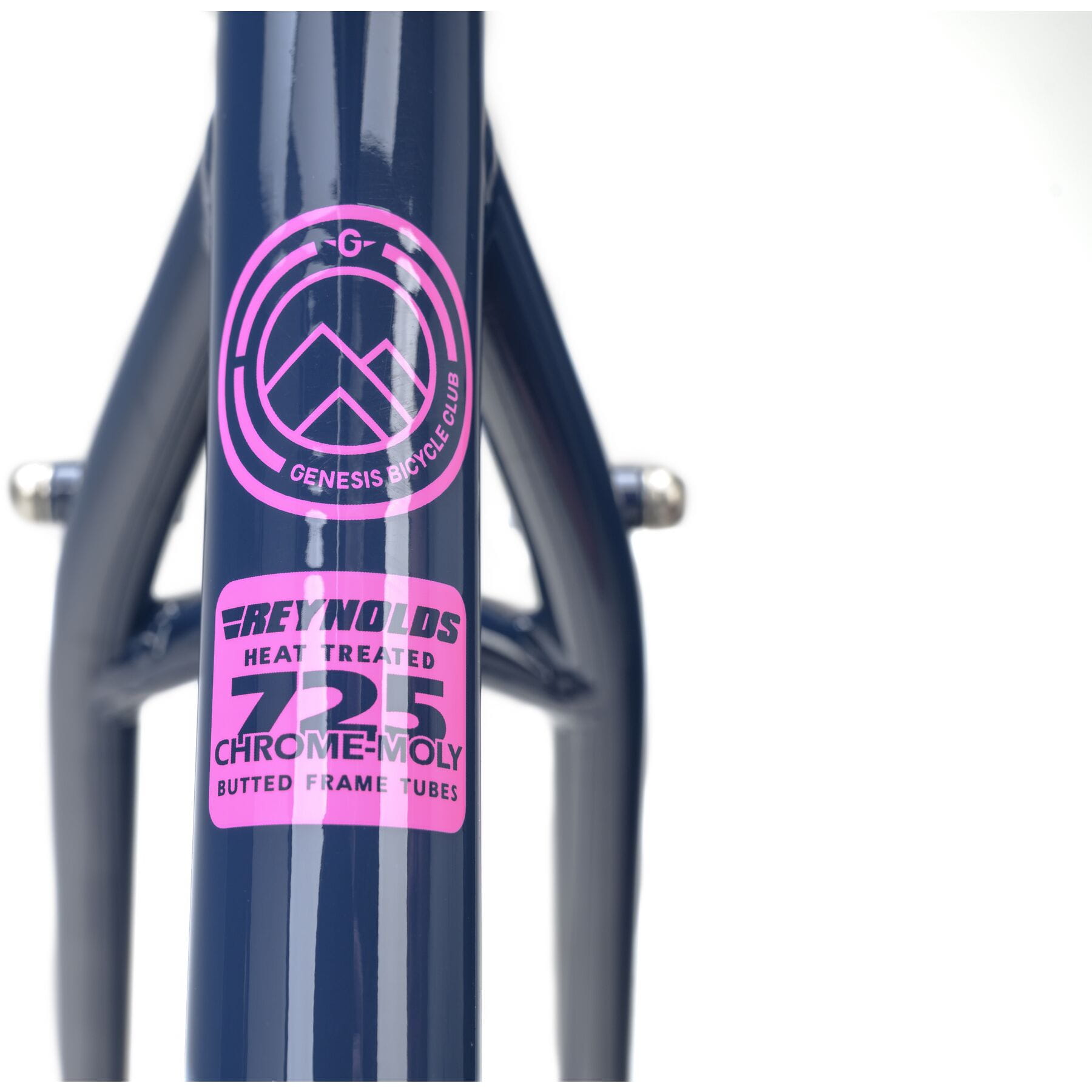
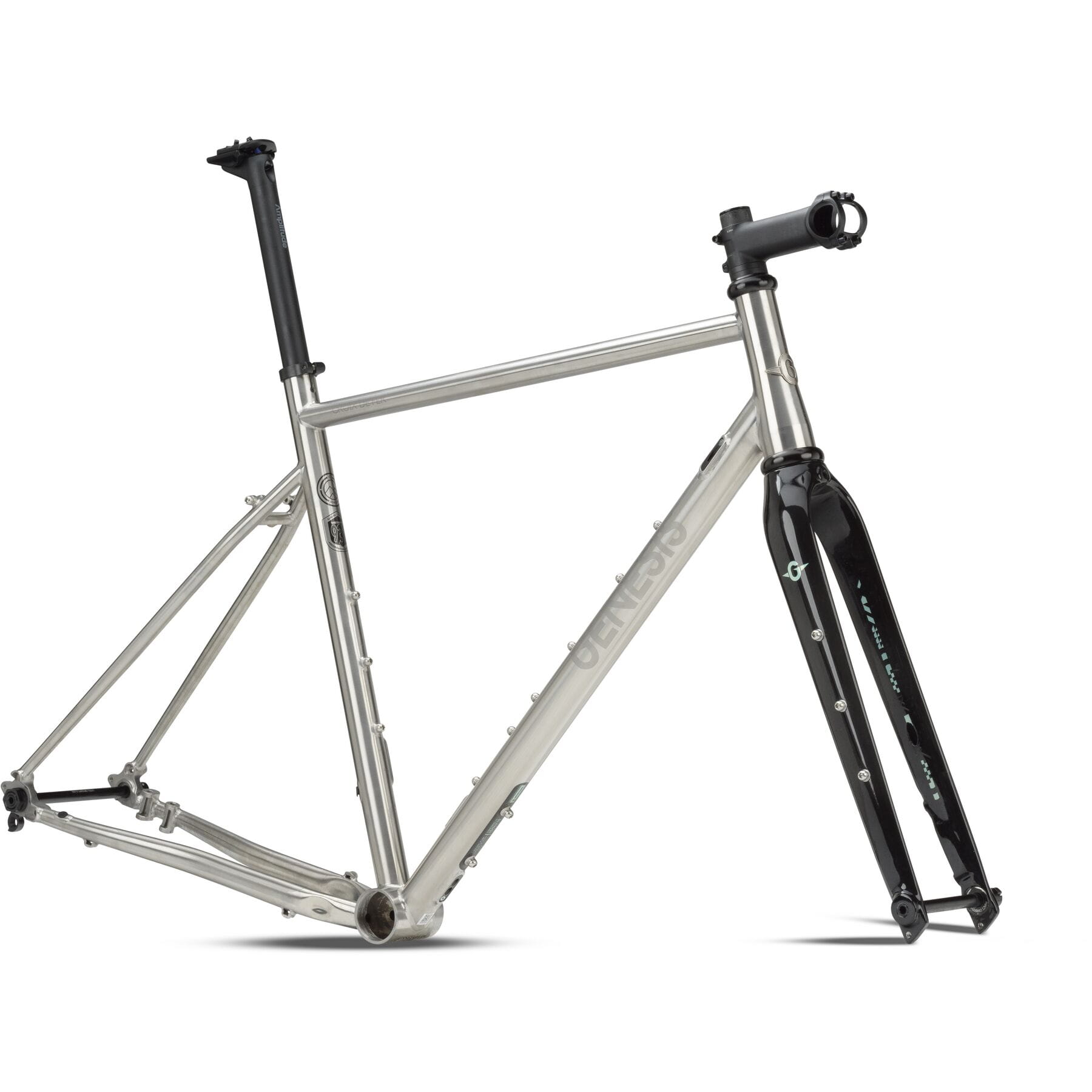
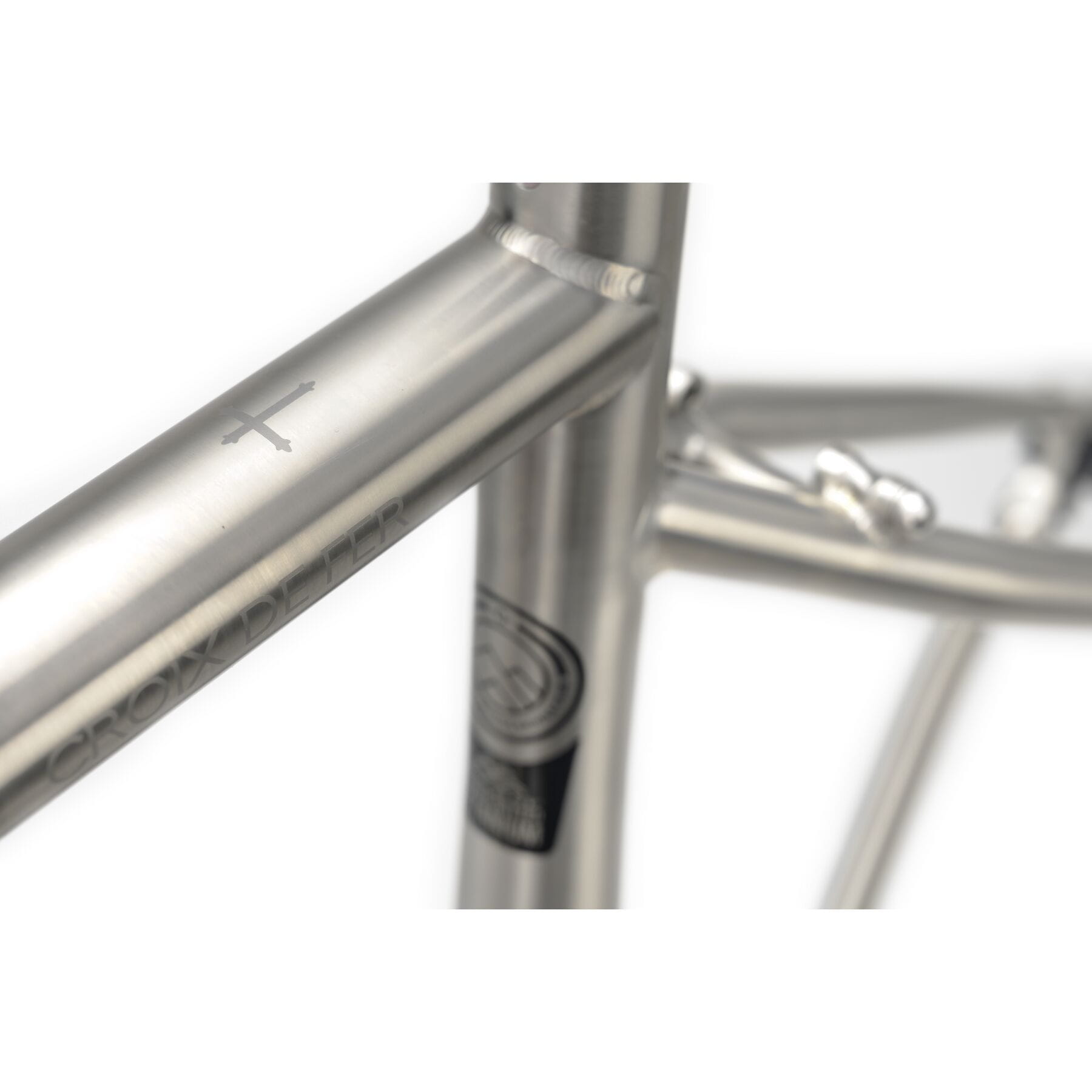
Framesets allow you to build a fully customized bike.
- Croix de Fer 725 → solid and versatile base
- Croix de Fer 931 → more reactive and technical
- Croix de Fer Ti → lightweight, smooth, premium
The choice depends on your intended use and desired ride characteristics.
Genesis Croix de Fer range comparison table
| Model | Material | Drivetrain | Brakes | Positioning |
|---|---|---|---|---|
| CdF 10 | Mjolnir | CUES 2x9 | Mechanical | Entry |
| CdF 20 | Reynolds 725 | CUES 2x10 | Mechanical | All-round |
| CdF 30 | Reynolds 725 | CUES / GRX | Hydraulic | Do-it-all |
| CdF 40 | Reynolds 725 | GRX 1x12 | Hydraulic | Dynamic |
| CdF 50 | Reynolds 725 | GRX 2x12 | Hydraulic | Top range |
| Frameset 725 | Reynolds 725 | — | — | Custom base |
| Frameset 931 | Reynolds 931 | — | — | Premium steel |
| Frameset Ti | Titanium | — | — | Premium lightweight |
Genesis Croix de Fer FAQ
What is the difference between Genesis Croix de Fer 10, 20, 30, 40 and 50?
The difference lies in components and intended use: the 10 is entry level, the 20 is an all-rounder, the 30 is the most versatile, the 40 is designed for more dynamic riding with a 1x drivetrain, while the 50 is the top-of-the-range model.
What is the difference between Reynolds 725, 931 and titanium?
725 is balanced and versatile, 931 is stiffer and more responsive, while titanium is lighter and smoother over long distances.
Is Shimano GRX or Shimano CUES better for gravel?
GRX is more performance-oriented, while CUES focuses on durability, simplicity and ease of maintenance.
Is the Genesis Croix de Fer suitable for bikepacking?
Yes, the entire range is designed to support bags and accessories, with multiple mounting points available.
Is the Croix de Fer better suited to road or off-road riding?
It is designed for both, offering stable performance on asphalt as well as mixed terrain.
Is it worth choosing a Croix de Fer frameset?
A frameset is ideal for riders who want a fully customized build, selecting components and ride characteristics to suit their needs.
Conclusion
The Genesis Croix de Fer remains one of the most complete platforms in the gravel segment. It is not a highly specialized bike, but an adaptable base capable of covering multiple use cases with consistency.
The choice of model depends primarily on real-world usage and the type of riding experience you are looking for, rather than simply the level within the range.