
- Adventure, Gravel, Touring: what really changes
- Gravel and All-Road: speed, versatility, balance
- Adventure and modern touring: control, comfort, load capacity
- Classic touring: long-term stability and reliability
- There is no “best” bike, only the right one for you
- How to choose the right category
- FAQs – Differences between gravel, adventure, and touring bikes
Adventure, Gravel, Touring: what really changes
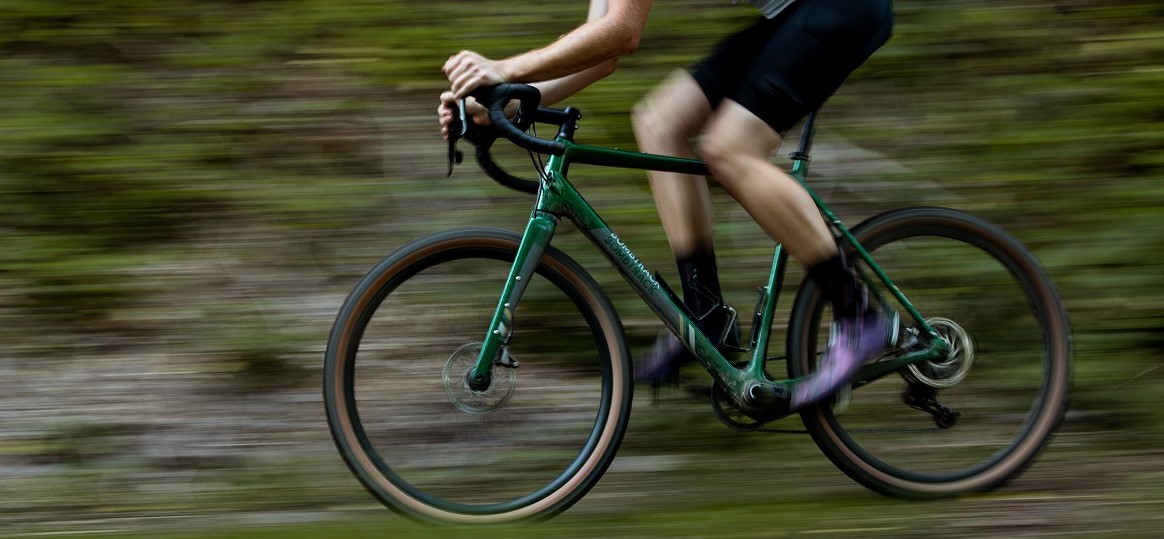
Over the past few years, terms such as gravel, adventure and touring have become common language in the cycling world. They are often used interchangeably, creating confusion precisely when clarity matters most: choosing the right bike based on how you actually ride.
For a complete framework on how to choose based on real terrain rather than category labels, see the Touring bike – Complete guide to choosing the right one.
In this article, we aim to bring some order and explain what truly differentiates gravel bikes, modern adventure or touring bikes, and classic touring bicycles, moving beyond labels and focusing on geometry, components and real-world use.
Gravel and All-Road: speed, versatility, balance
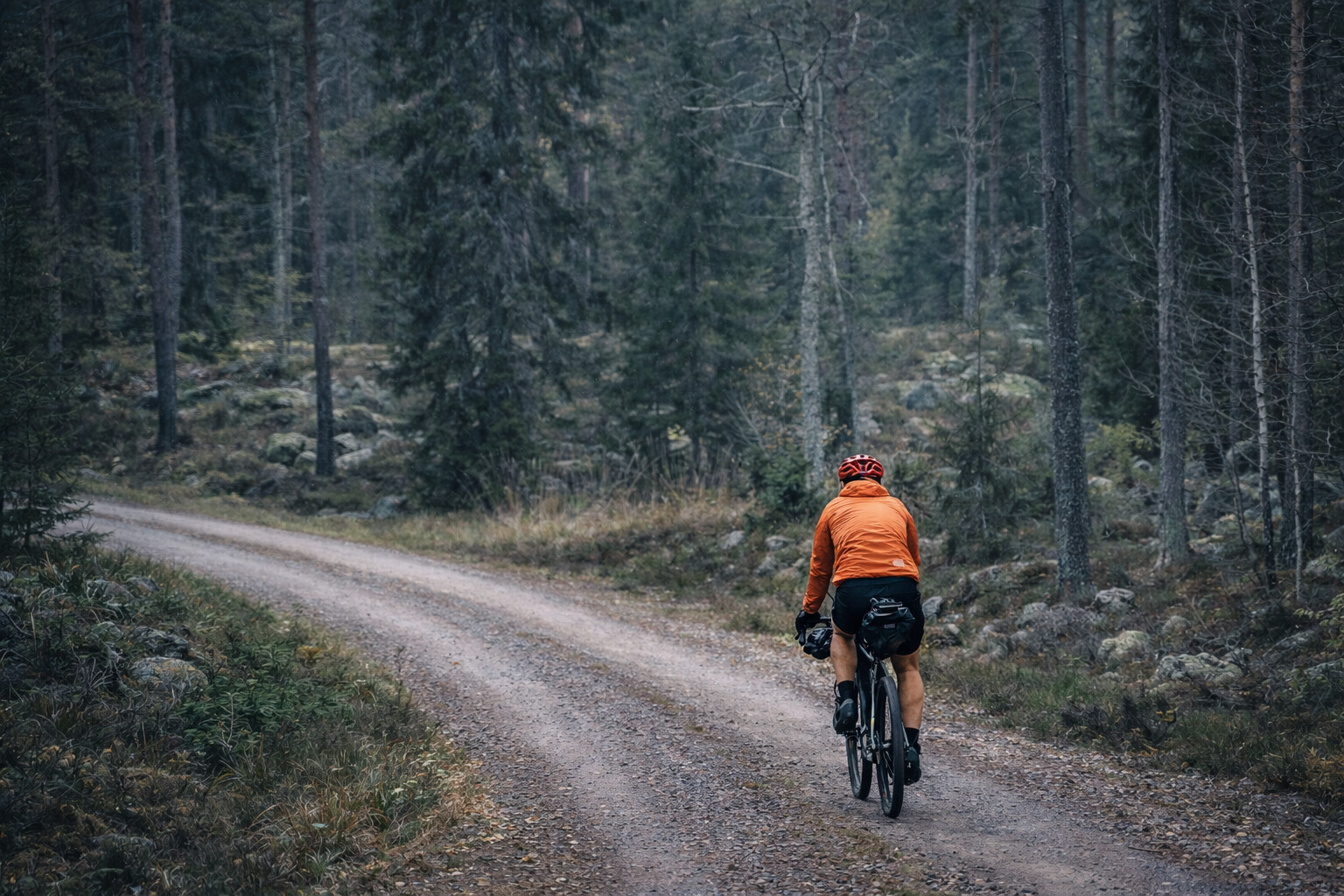
Gravel bikes conceptually stem from the road cycling world and are designed to move efficiently across mixed surfaces: asphalt, white roads and compact gravel.
Key characteristics:
- relatively sporty riding position
- drop handlebars
- controlled overall weight
- medium-width tyres (typically 38–45 mm)
- geometry focused on stability and rolling efficiency
They are particularly well suited for:
- medium to long-distance rides
- gravel endurance riding
- flowing dirt roads and broken asphalt
- light travel with minimal luggage
In our catalogue, these bikes are grouped under Gravel, All-Road and Bikepacking Ready:
https://www.bikejamming.it/en/948-gravel-allroad-bikepacking/
This family includes, for example, steel gravel bikes focused on reliability such as Bombtrack Hook, versatile steel/aluminium platforms like Genesis Croix de Fer, and gravel bikes more oriented towards everyday and all-road use such as Bombtrack Arise, all sharing a balanced approach between on-road performance and off-road capability.
Adventure and modern touring: control, comfort, load capacity
.jpg)
Adventure and modern touring bikes follow a different philosophy. Here, speed is not the primary objective: control, comfort and reliability take priority, especially as terrain becomes rougher and loads increase.
Typical features include:
- more relaxed and stable geometry
- longer wheelbase
- increased clearance for wider tyres
- multiple mounting points for bags and racks
- predictable handling even when fully loaded
They are designed for:
- multi-day journeys
- structured bikepacking
- rough gravel, forest tracks and mixed terrain
- riding far from home, where robustness matters more than weight
All bikes of this type can be found in the Adventure and Touring section:
https://www.bikejamming.it/en/1094-adventure-touring/
This category includes self-sufficient platforms such as Bombtrack Beyond and Beyond+, Genesis Vagabond and Fugio, as well as Ritchey adventure frames designed for long-distance travel, engineered to maintain stability and control even with significant loads.
Classic touring: long-term stability and reliability
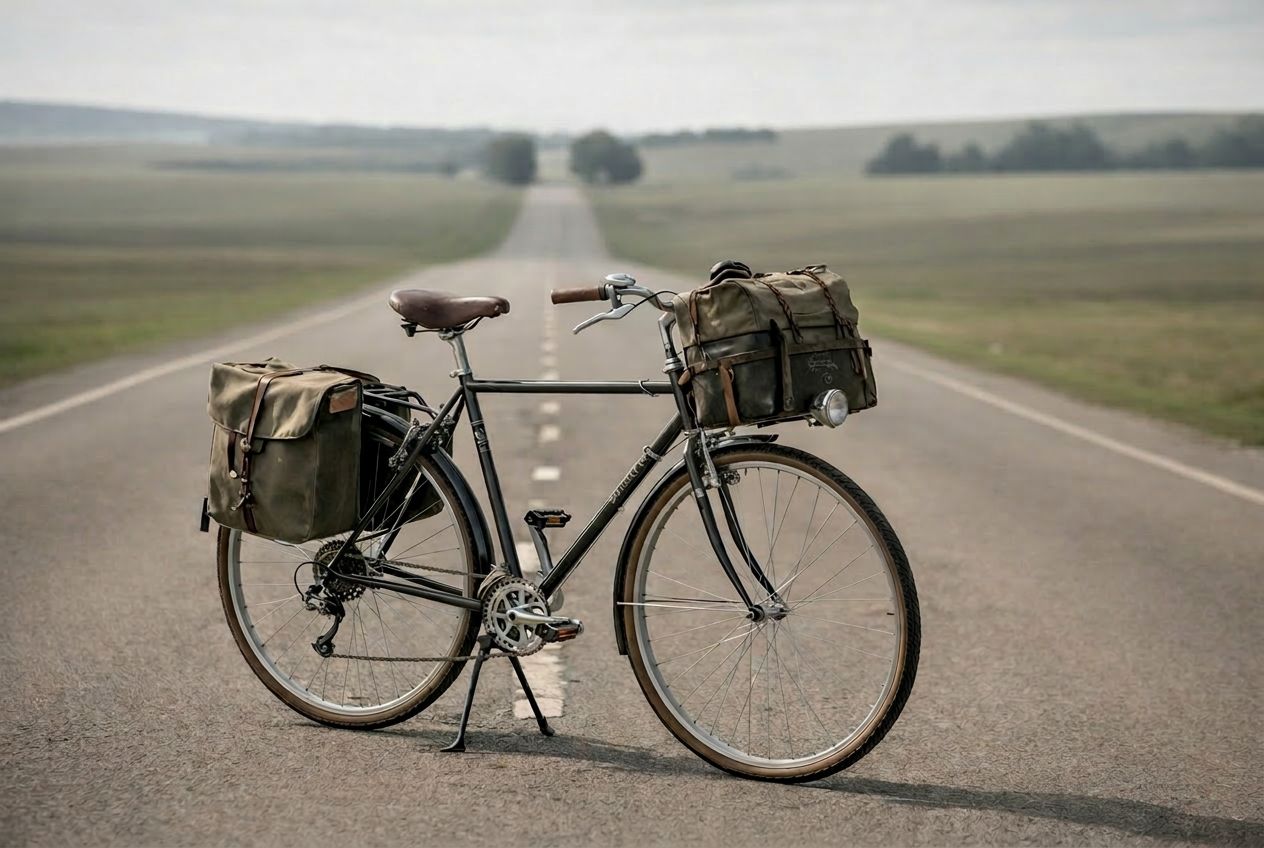
Classic touring represents the most traditional approach to bicycle travel. The goal is simple: riding day after day in comfort, without stress.
Defining characteristics:
- very stable, relaxed geometry
- native compatibility with front and rear racks
- wide-range, progressive gearing
- components chosen for durability and ease of maintenance
These bikes are ideal for:
- long-distance road touring
- fully loaded travel
- dependable everyday use
- riders who prioritise comfort and consistency over performance
You can find them in the Classic Touring section:
https://www.bikejamming.it/en/86-traditional-touring-bikes/
This category includes models such as Bombtrack Arise Tour, Genesis Tour de Fer,Genesis Equilibrium (rim brake), and Ridgeback touring bikes, all designed to cover long distances with heavy loads while maintaining a strong focus on long-term serviceability.
There is no “best” bike, only the right one for you
The key point is simple: there is no universally better category, only the one that best fits your real-world use.
Two riders can plan the same route and choose very different bikes:
- a light and fast gravel bike
- a stable, load-oriented adventure bike
- a classic touring bike built for endurance
All are valid choices when aligned with expectations, terrain and riding style.
This is why every model should be evaluated in its proper context, considering geometry, frame material, tyre compatibility and real load-carrying capability. To understand why geometry plays such a decisive role in stability under load, see Travel bike geometry — Guide.
How to choose the right category
If you are unsure which bike suits you best:
- evaluate how much luggage you will realistically carry
- consider how much of your riding will be on asphalt versus gravel
- decide how important speed and efficiency are to you
- focus on where you ride most often, not only on a “dream trip”
In our catalogue you will find Bombtrack, Genesis and Ridgeback platforms designed for distinct use cases, with tangible differences that truly emerge in real-world riding. If helpful, we provide personalised advice to help you choose the most suitable bike and avoid unnecessary compromises.
FAQs – Differences between gravel, adventure, and touring bikes
1) What is the difference between a gravel bike and an adventure bike?
A gravel bike is designed for speed and efficiency on mixed surfaces and smooth gravel. An adventure bike focuses on control, comfort, and load-carrying capability on rougher terrain and multi-day trips.
2) Is a gravel bike suitable for long-distance travel?
Yes, if the trip is light and mostly on smooth surfaces. With minimal luggage and compact gravel, a gravel bike works well; with heavier loads or rough terrain, an adventure bike is a better choice.
3) What is the difference between modern touring and classic cycle touring?
Modern touring (or adventure touring) is built for mixed terrain and unpaved routes, with stable yet versatile geometry. Classic cycle touring prioritizes long-term comfort, stability, and reliability on paved roads, often with heavy loads.
4) Which bike is best for bikepacking?
It depends on the type of bikepacking. For light and fast trips on smooth gravel, a gravel bike is suitable; for more structured bikepacking with heavier loads and variable terrain, an adventure bike is more appropriate.
5) Are adventure bikes slower than gravel bikes?
In terms of pure speed, yes—but speed is not the goal. Adventure bikes are designed to maintain control and comfort over time, especially when terrain becomes rough or loads increase.
6) When does it make sense to choose a classic touring bike?
When the goal is long-distance road travel with heavy luggage and maximum reliability. It is ideal for riders who prioritize comfort, stability, and ease of maintenance over performance.
7) Can an adventure bike be used for everyday riding?
Yes. Many adventure bikes work well for daily use thanks to stable geometry, rack compatibility, and comfortable tire clearance. They are generally less reactive than lightweight gravel bikes.
8) How can I choose between gravel, adventure, and touring without making mistakes?
Consider how much luggage you will actually carry, the terrain you ride most often, and how important speed and efficiency are to you. The right choice is the one that matches your real riding habits, not the category label.