
- Ritchey frames guide: choosing the right platform for real-world use
- Which Ritchey frame to choose: quick guide
- What really defines Ritchey frames
- Trail & Adventure Off-Road: Ascent, Ultra and P-29er
- Gravel & All-Road: Outback, Break-Away Outback and Septimer
- Road, distance and light travel: Road Logic, Montebello and Break-Away Road Logic
- When the Break-Away system makes sense
- What about tandems?
- Configuring a Ritchey frameset
- Ritchey range comparison table
- Ritchey frames FAQ
- Summary
Ritchey frames guide: choosing the right platform for real-world use
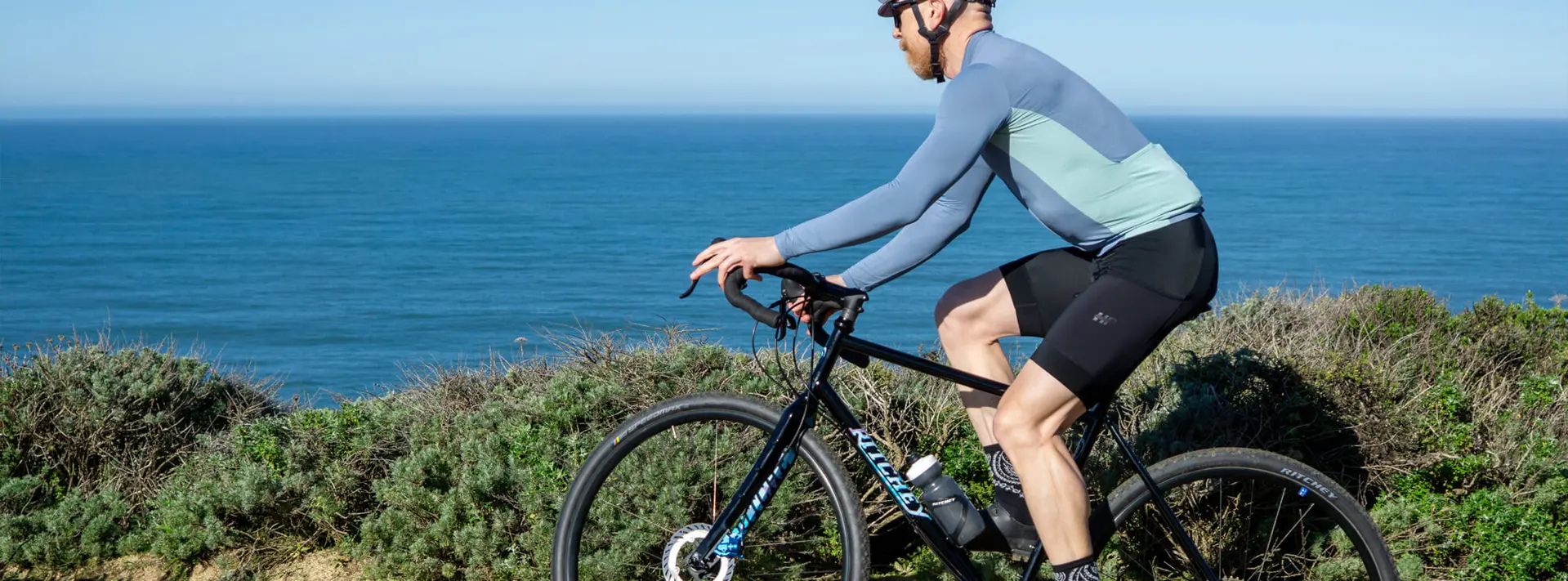
Ritchey frames cover very different types of use. Some are designed for gravel and light bikepacking, others for technical and remote off-road riding, others again for road, randonnée or travelling with your own bike.
For this reason, comparing them only through materials, weight or specifications can be of limited use. The real difference between the various models becomes clear when you look at the type of terrain, the load and the stress the platform will need to handle over time.
If you are still trying to understand which bike family makes sense for your use, you can start from our travel bike buying guide.
Which Ritchey frame to choose: quick guide
| If your use is... | Ritchey frame |
|---|---|
| Remote Adventure Touring | Ascent |
| Trail & Adventure Off-Road | Ultra |
| Pedal-focused off-road and long distance | P-29er |
| Gravel & All-Road | Outback |
| Gravel and air travel | Break-Away Outback |
| Fast carbon gravel | Septimer |
| Endurance road | Road Logic |
| Randonnée and light travel | Montebello |
| Road and air travel | Break-Away Road Logic |
If you want to understand why, keep reading.
Ready to browse the available models?
Discover the full range of Ritchey framesets.
What really defines Ritchey frames
The Ritchey range is not built around flashy solutions or proprietary standards. On the contrary, many models share a design philosophy focused on simplicity, durability and real-world use.
Among the most characteristic elements are:
- proprietary heat-treated Ritchey Logic tubing;
- ED Coat anti-corrosion treatment on many steel frames;
- proven mechanical standards that are easy to manage over time;
- geometries designed to remain coherent even after years of use.
These are not features that emerge during a ten-minute test ride. They tend to become clear when the bike is used for thousands of kilometres, in different conditions and with real needs.
Trail & Adventure Off-Road: Ascent, Ultra and P-29er
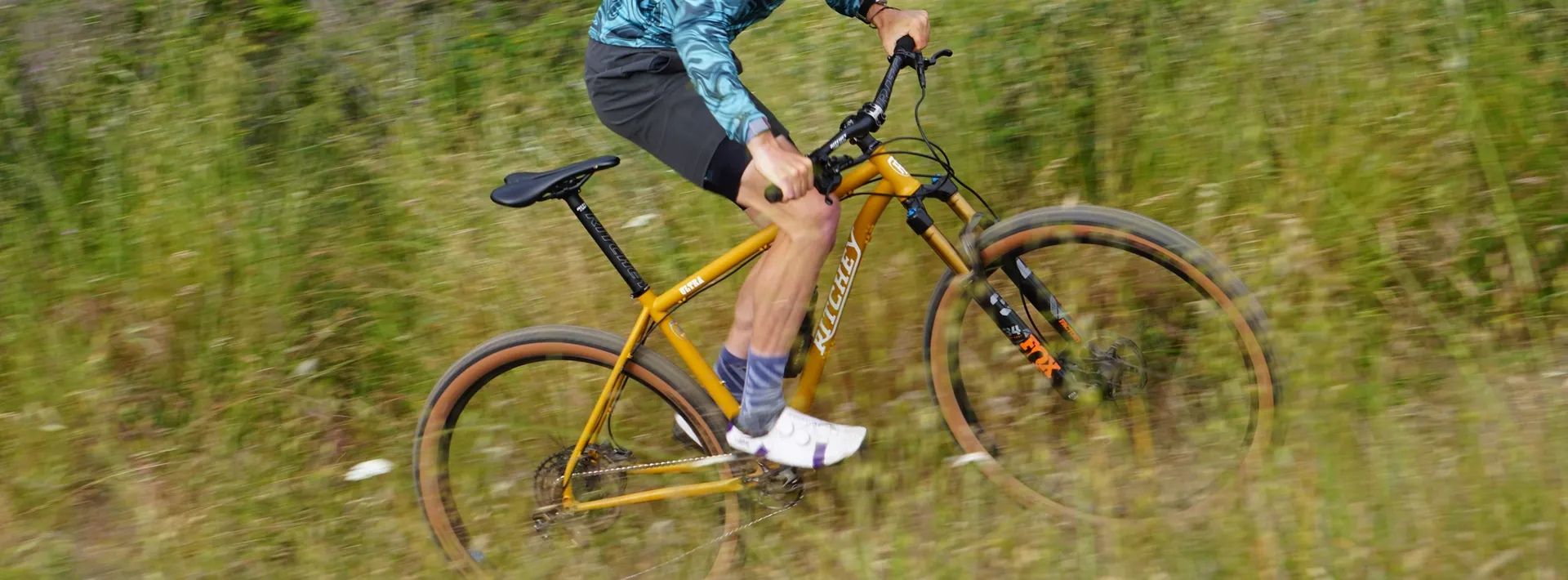
These three models share an MTB background, but they are designed to handle different scenarios.
If your use mainly belongs to the world of technical and remote off-road riding, it may also be useful to read the Trail & Adventure Off-Road guide.
Ritchey Ascent
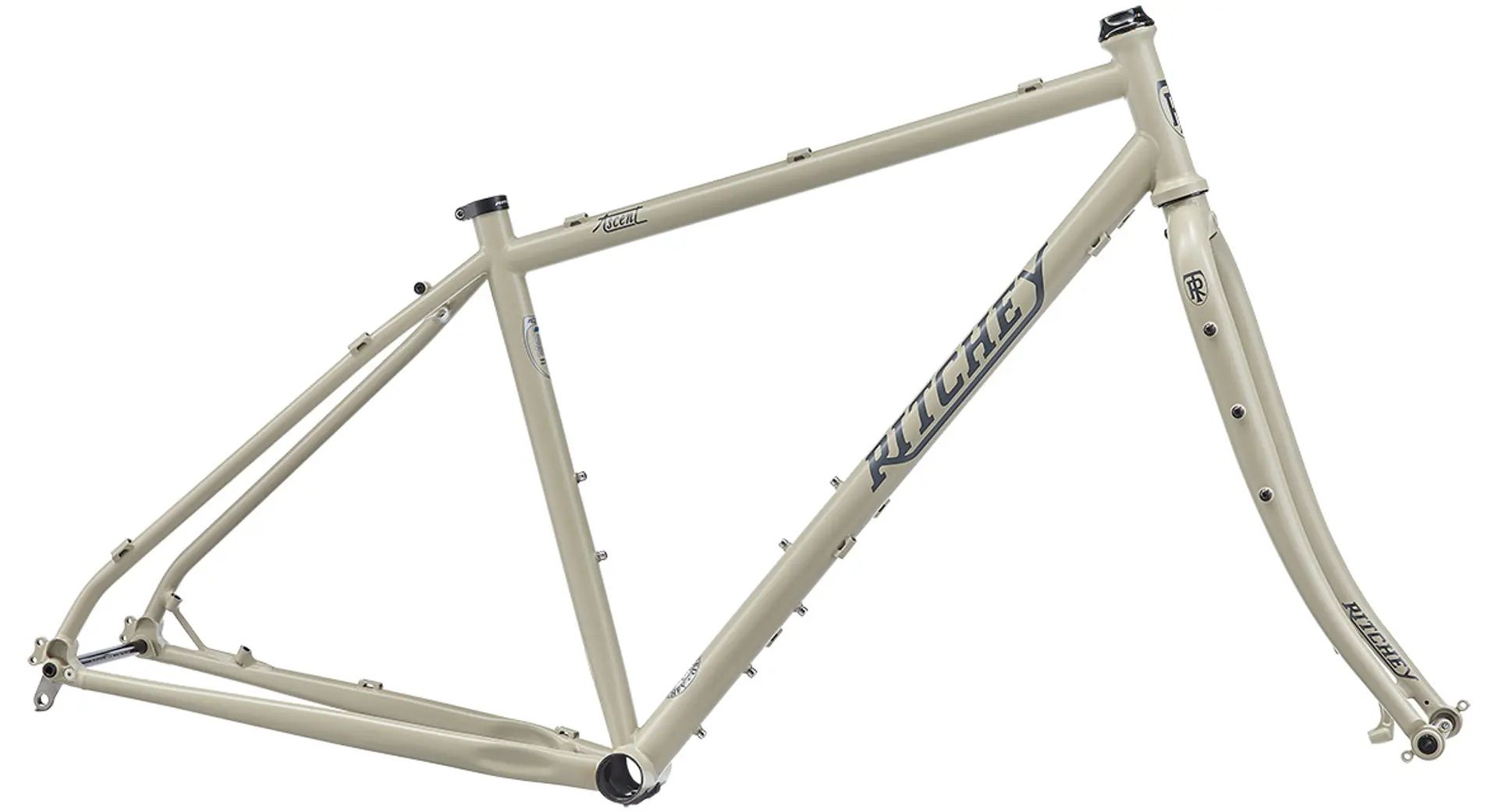
Ascent is the platform most oriented towards remote adventure and off-road travel.
It is the model that makes the most sense when the terrain stays rough for days at a time, load is part of the project and the priority becomes riding continuity rather than immediate reactivity.
It is not designed as a trail bike. It is designed as a structural platform for autonomy, distance and difficult terrain.
Ritchey Ultra
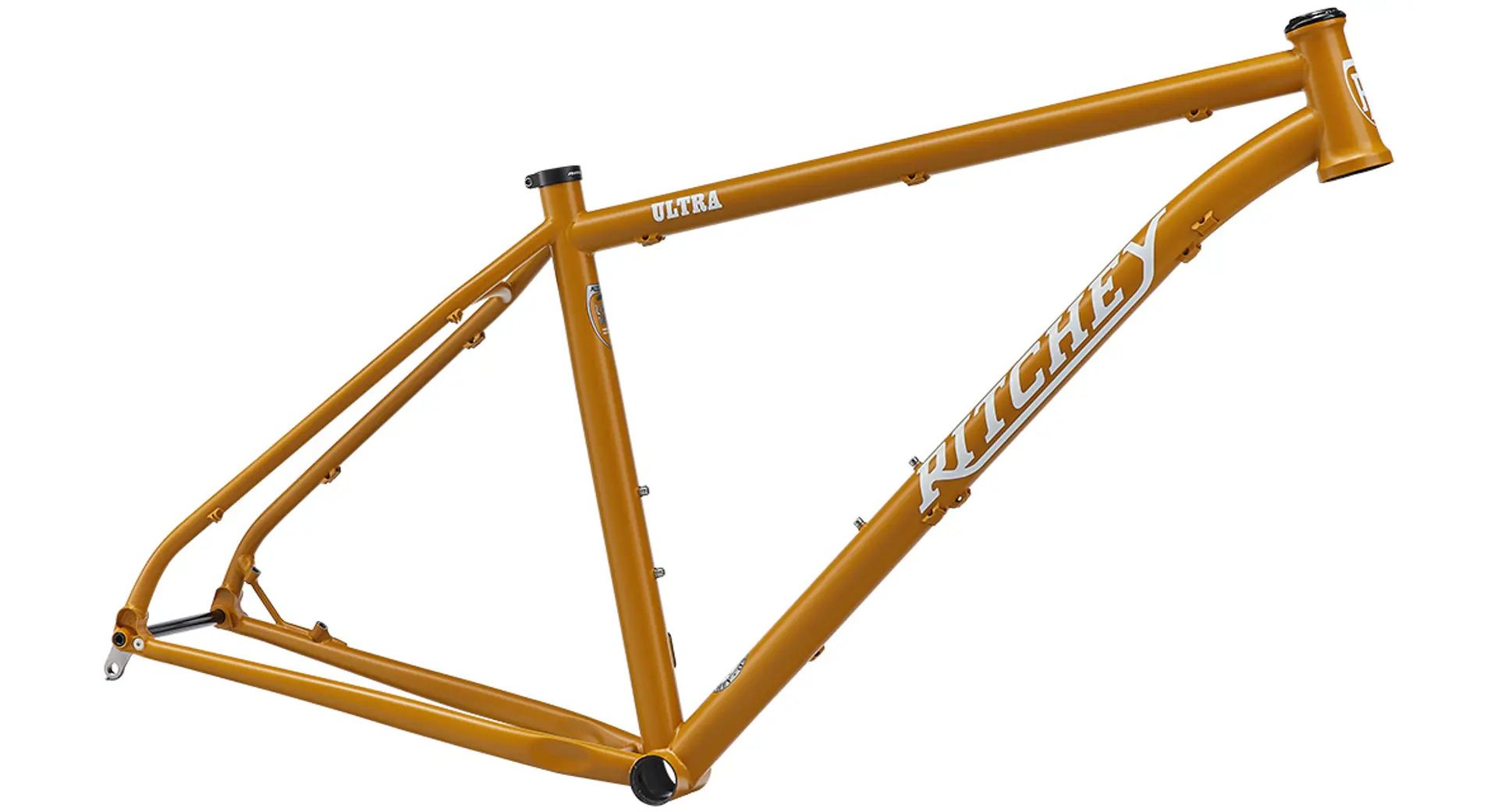
Ultra moves towards control and technical terrain management.
The more modern geometry and 120 mm fork allow for a more dynamic ride when the route becomes narrow, irregular or technically demanding.
It is the model that best interprets the concept of Trail & Adventure Off-Road within the Ritchey range.
Ritchey P-29er
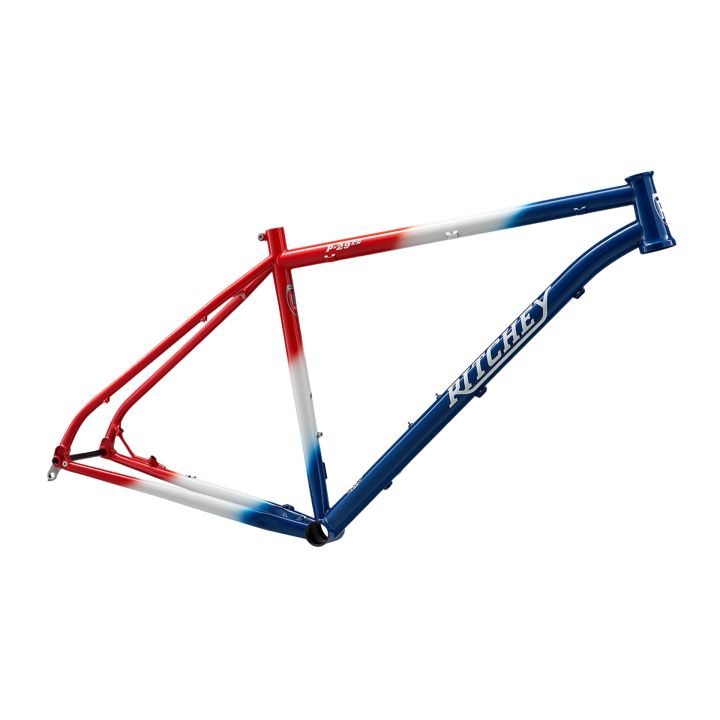
P-29er occupies a different position.
It does not seek the extreme control of the Ultra and is not designed to work under load like the Ascent.
Its logic is efficiency over long off-road distances: pedal-focused routes, continuous dirt roads, long rides and endurance use.
Ascent, Ultra or P-29er?
In summary:
- Ascent → remote travel, load and continuous stress.
- Ultra → control on technical terrain and technical bikepacking.
- P-29er → efficiency and long-distance riding on pedal-focused off-road routes.
The three platforms may look close on paper, but they solve different problems.
Gravel & All-Road: Outback, Break-Away Outback and Septimer
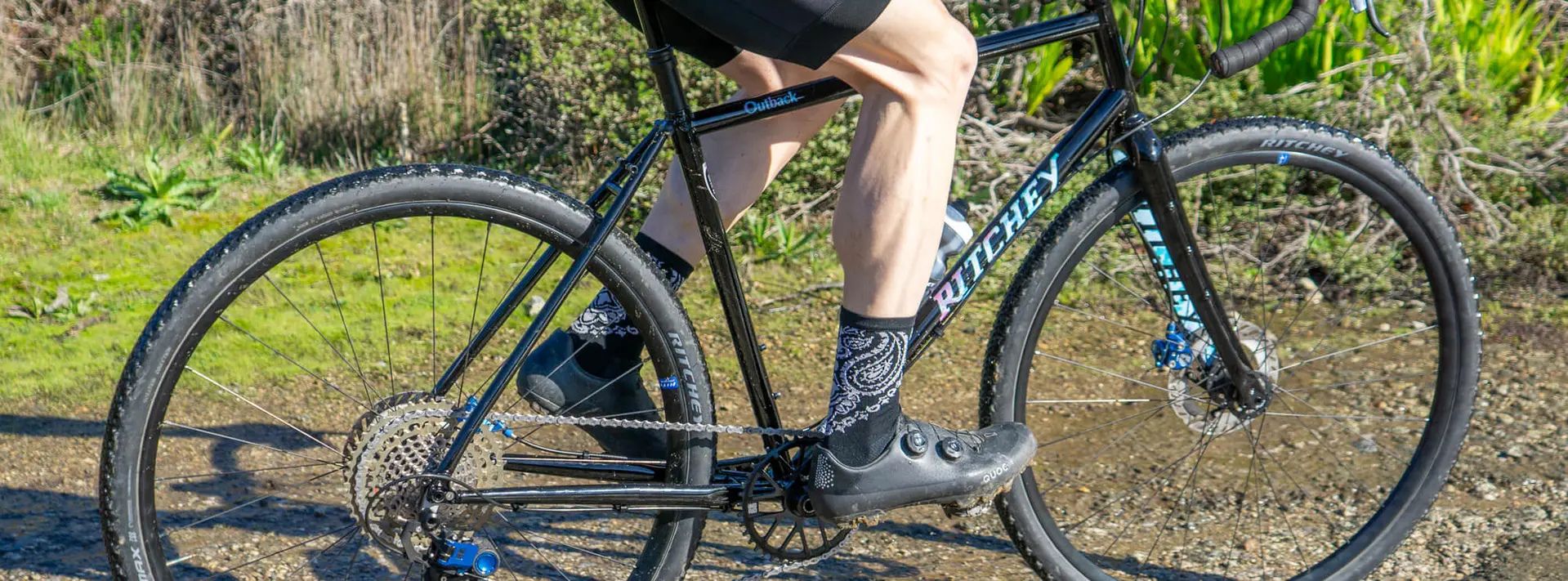
When the terrain becomes smoother and asphalt and gravel start alternating continuously, the right reference point shifts towards the Gravel & All-Road world.
To explore this context further, you can also read the Gravel & All-Road / Dirt Road Touring guide.
Ritchey Outback
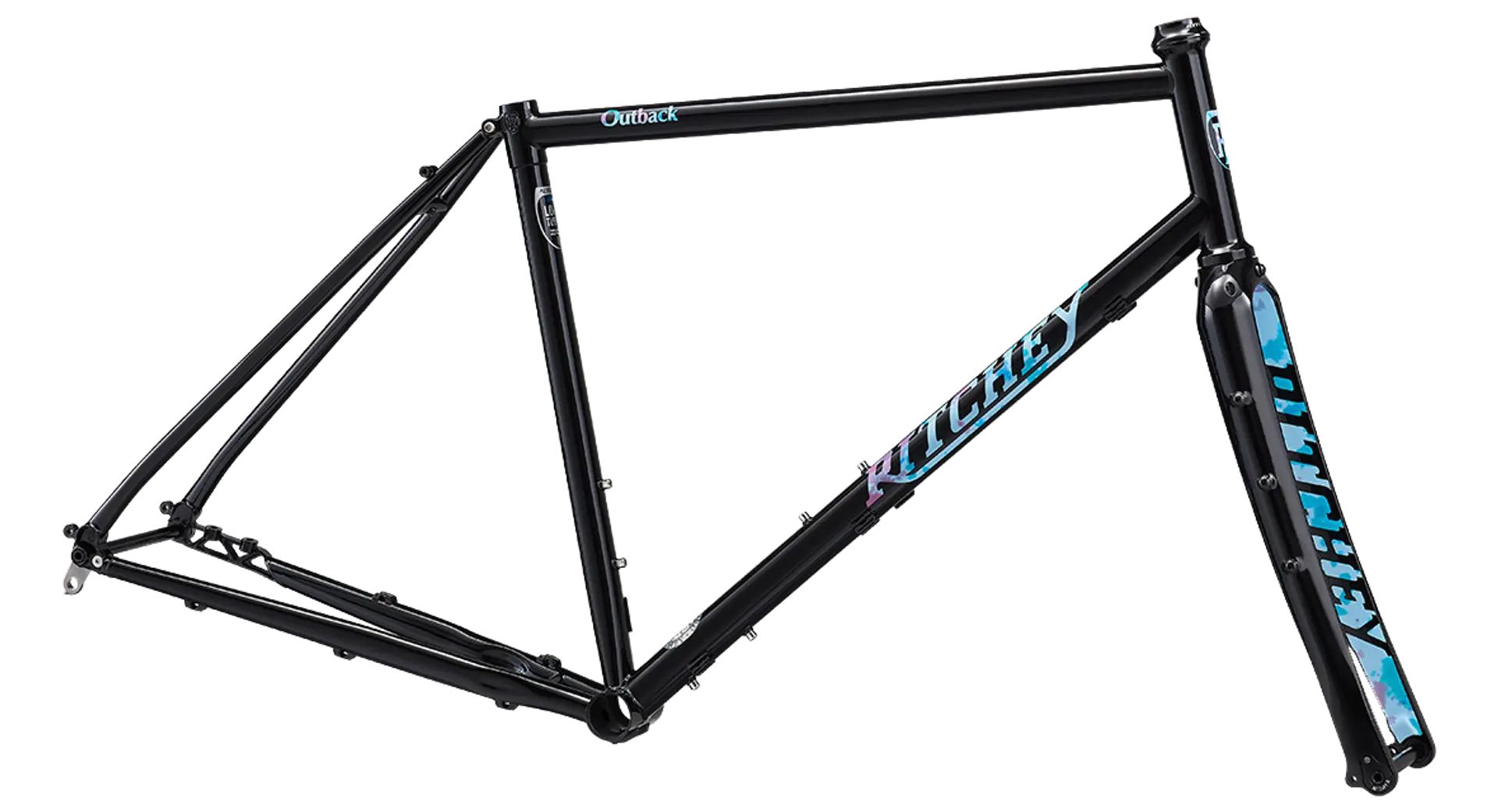
Outback is probably the most representative model in the Ritchey range.
It is a gravel and all-road platform designed for long distances, white roads, fast-rolling gravel and light to medium bikepacking.
Its strength is not extremization, but balance.
Ritchey Break-Away Outback
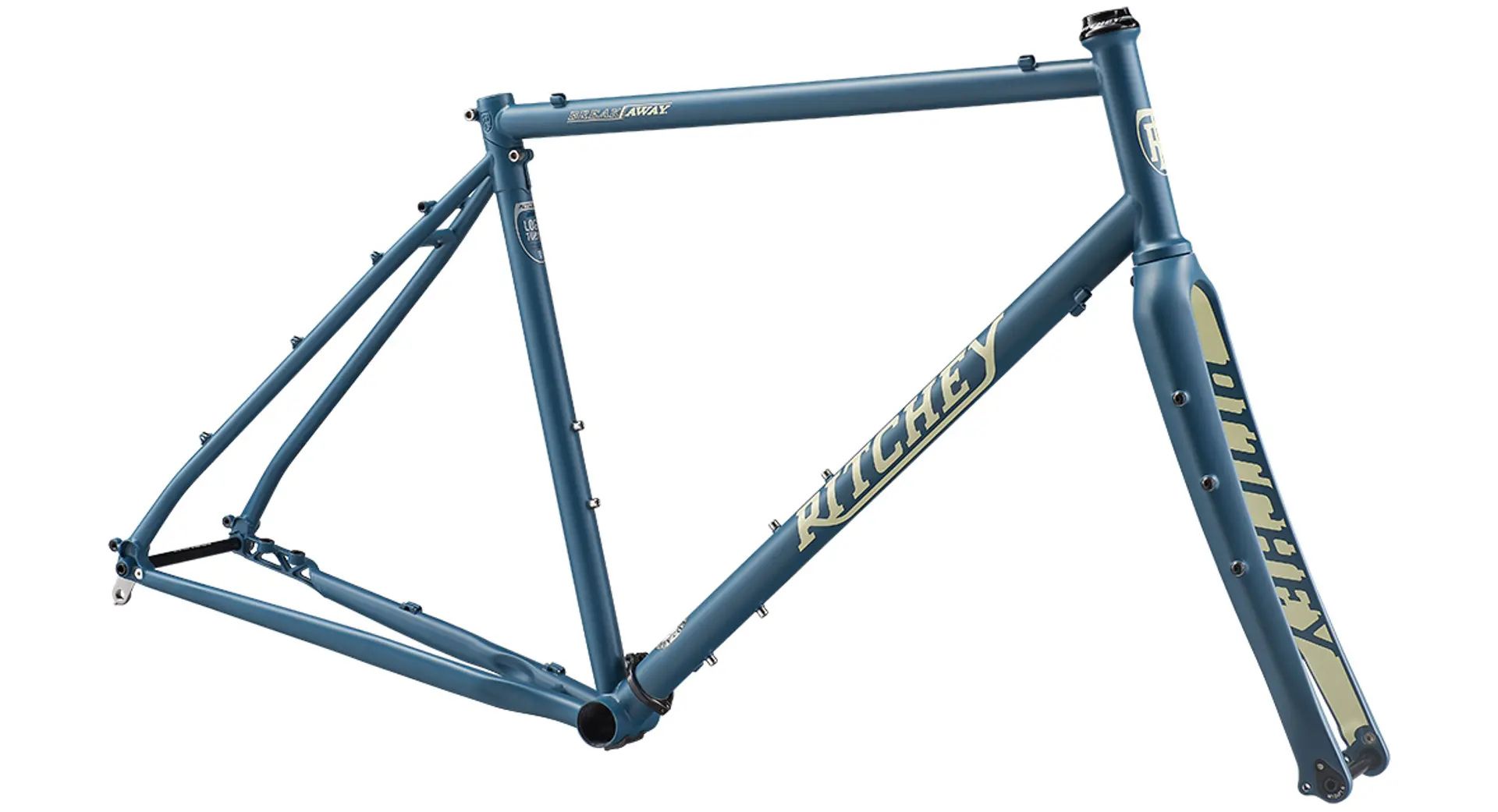
Break-Away Outback maintains the same philosophy as the traditional Outback while introducing the Break-Away system.
The goal is not to change how the bike rides, but to simplify transport during travel and trips.
For riders who regularly fly with their bike, the difference can be significant.
Ritchey Septimer
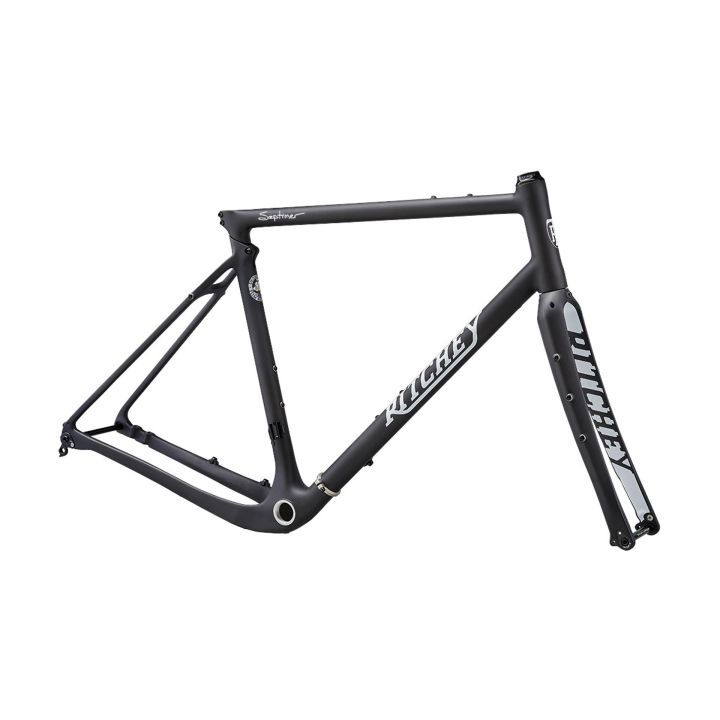
Septimer represents the carbon interpretation of the travel gravel concept.
The frame is designed for riders looking for a light and modern platform, while still maintaining a strong vocation for travel and mixed-surface use.
Which one to choose?
In summary:
- Outback → gravel and bikepacking without specific transport requirements.
- Break-Away Outback → same use, but with a focus on air travel.
- Septimer → lighter and more performance-oriented approach, without losing the adventure vocation.
Road, distance and light travel: Road Logic, Montebello and Break-Away Road Logic
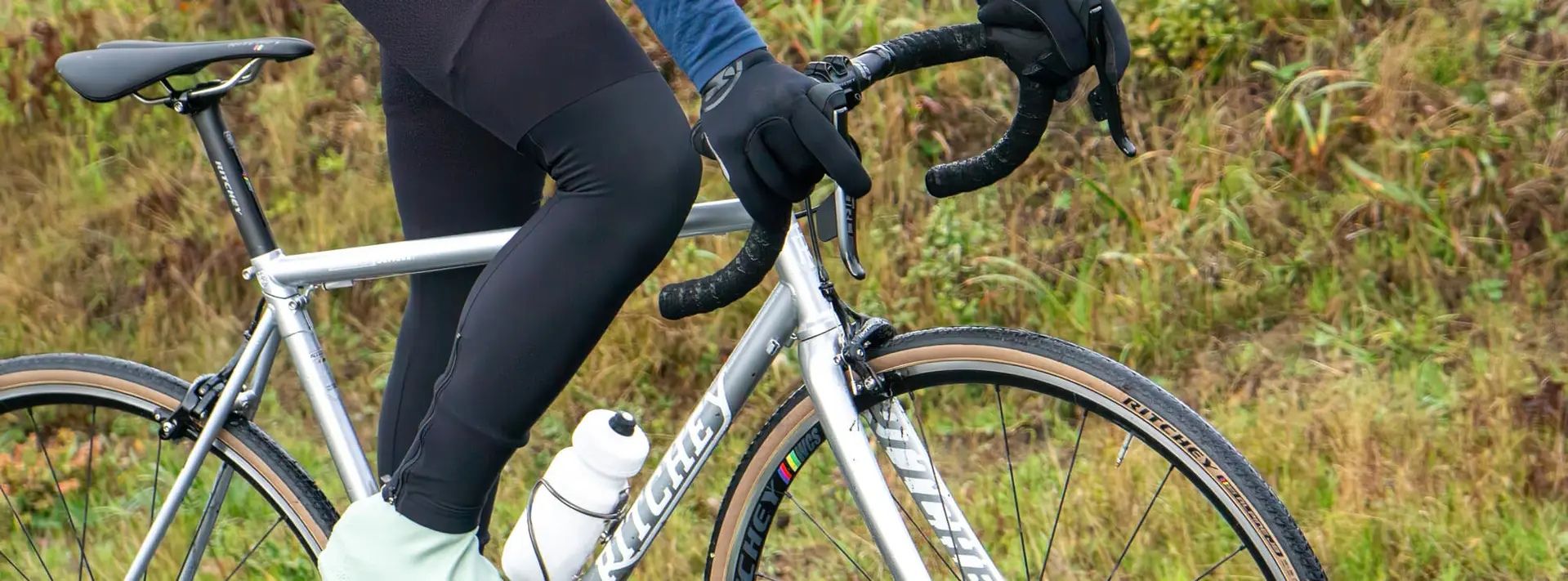
The road side of the Ritchey range is often the least understood.
In reality, these three frames occupy very distinct territories.
Ritchey Road Logic
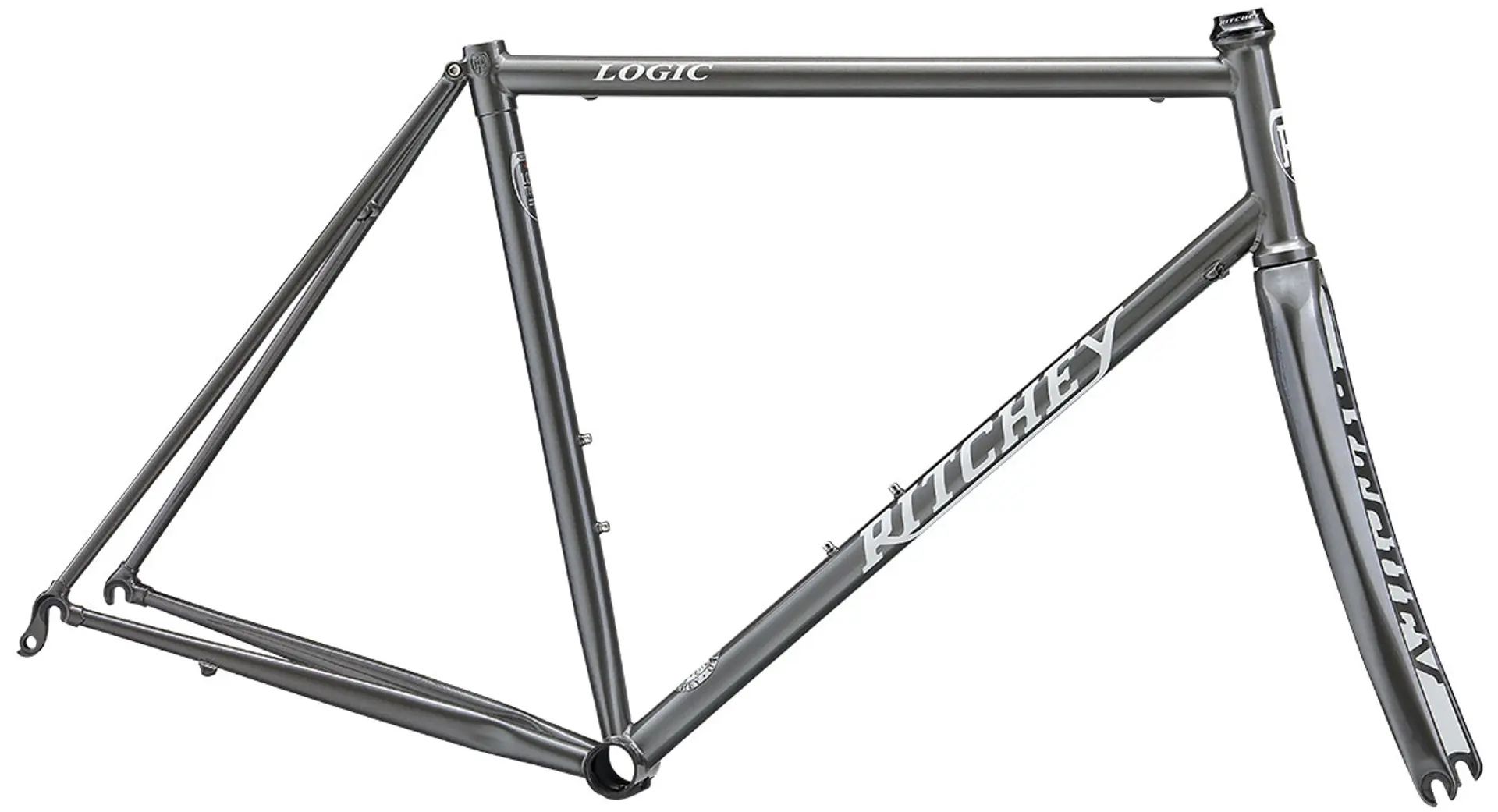
Road Logic is a modern endurance road platform.
Training, long rides, granfondos and continuous road use are its natural territory.
Ritchey Montebello
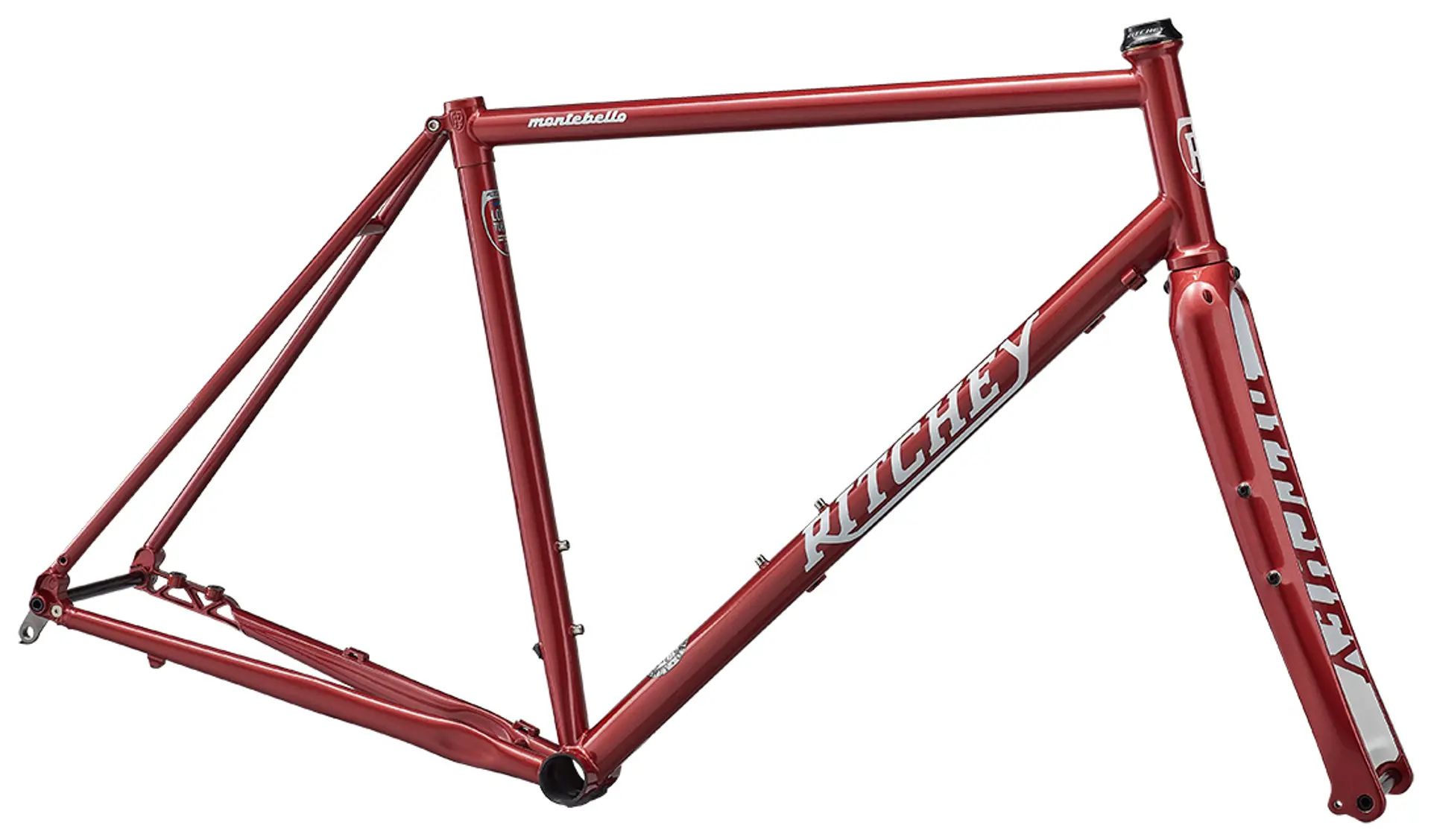
Montebello moves towards the world of randonnée and long distance.
Compatibility with fenders and racks, together with the Carbon Brevet fork, makes it particularly interesting for riders who interpret road cycling as exploration and distance, not only as performance.
Ritchey Break-Away Road Logic
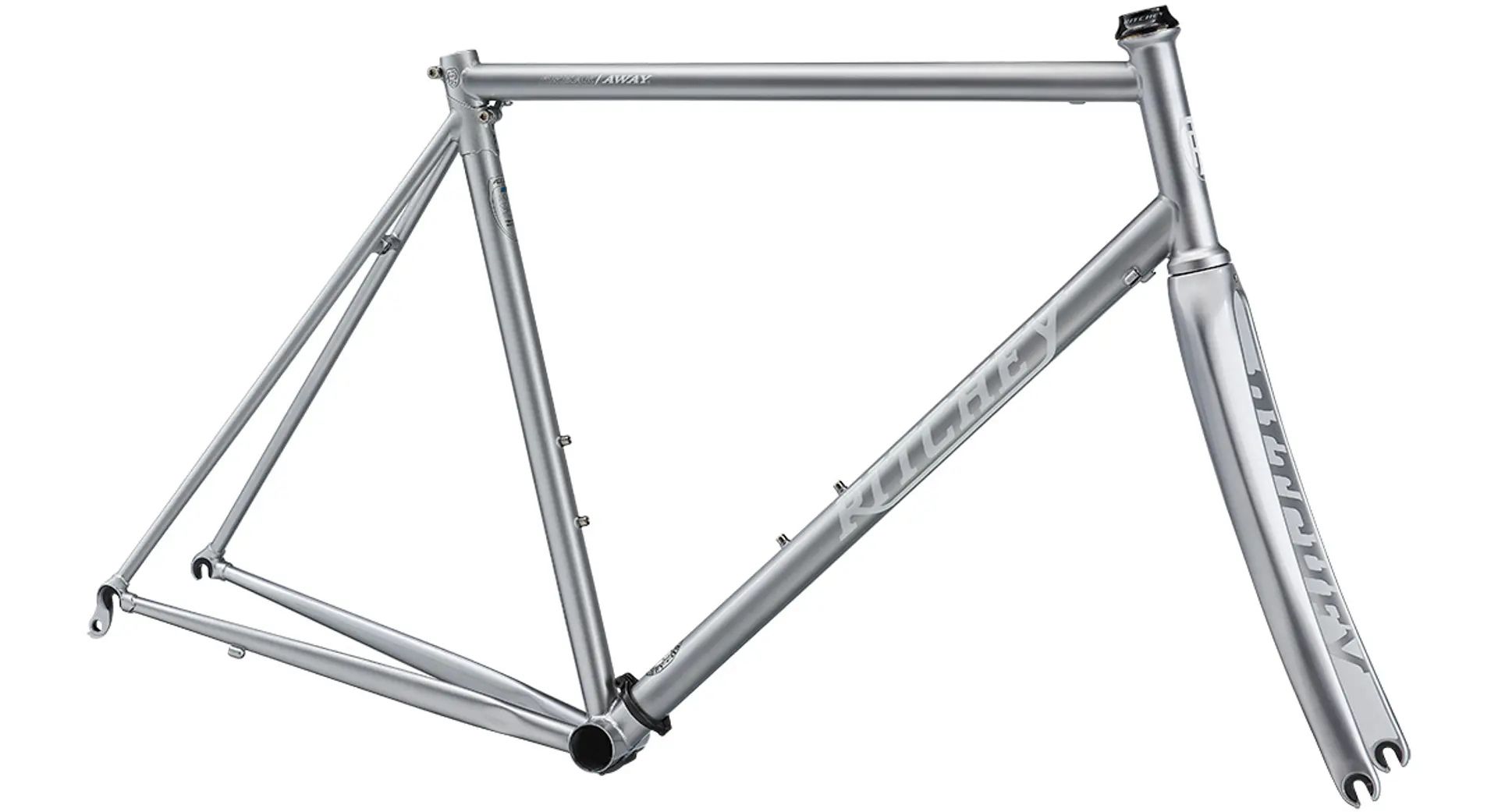
Break-Away Road Logic maintains the character of the Road Logic while adding the Break-Away system.
The goal is simple: travel with your own bike without giving up your position, ride feel and the familiarity of your road platform.
Which one to choose?
In summary:
- Road Logic → endurance road.
- Montebello → randonnée and light travel.
- Break-Away Road Logic → endurance road with transport as a priority.
When the Break-Away system makes sense
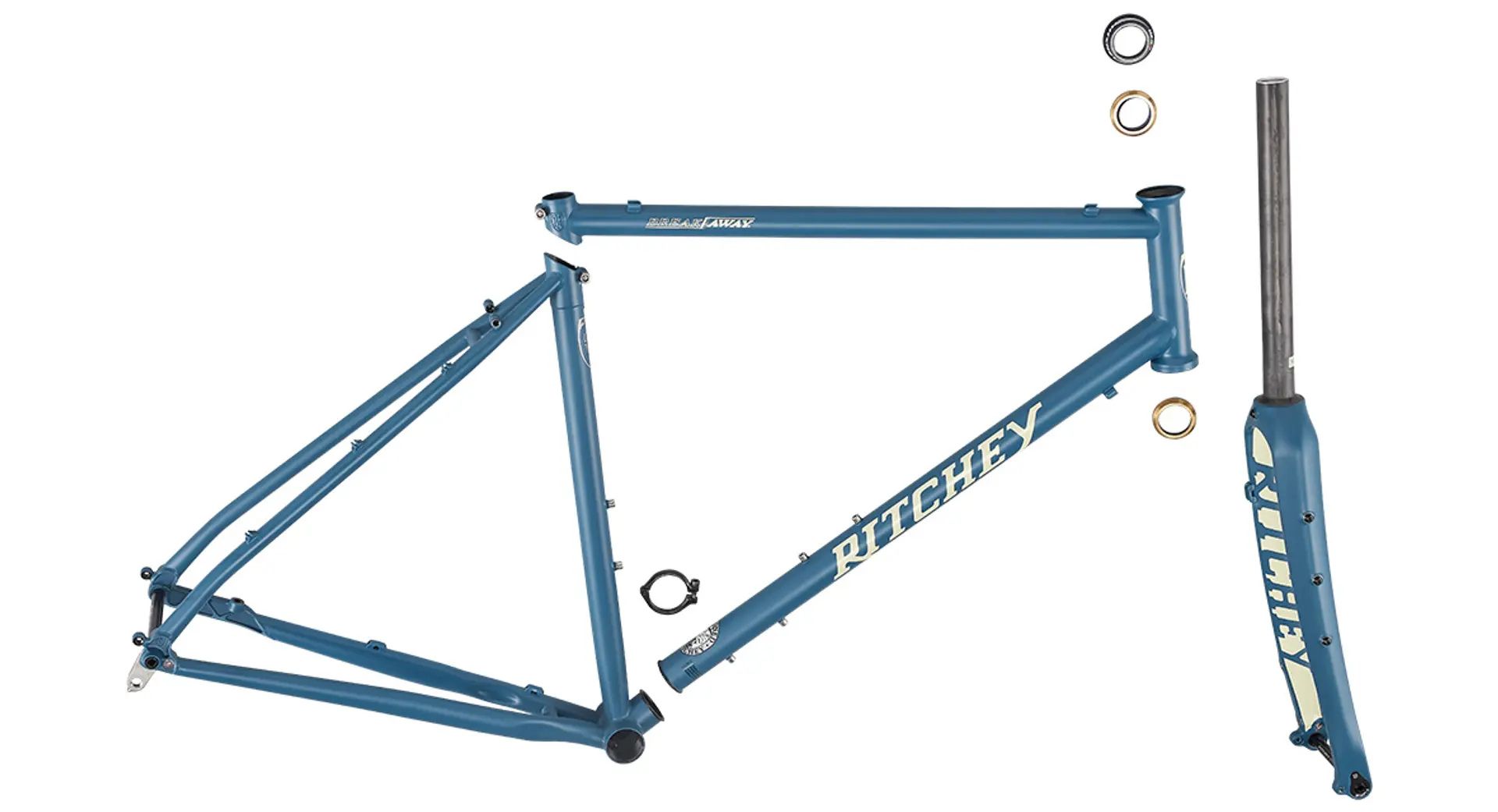
The Break-Away system is probably one of the most recognizable features of the Ritchey range.
It is not, however, a universal solution.
If you mainly use your bike close to home and travel rarely, it may not be a priority.
If, on the other hand, you regularly fly with your bike, take part in distant events or want to use your own bike during holidays and trips, the logistical advantage becomes much more concrete.
For this reason, the system makes sense especially on:
- Break-Away Outback;
- Break-Away Road Logic;
- Septimer.
What about tandems?

Within the Ritchey range there is also a lesser-known but interesting platform for a very specific niche: Outback TandM.
It is a travel tandem developed around Break-Away technology, designed for couples who want to transport their bike during trips and international travel without giving up a modern and reliable platform.
The tandem audience is inevitably smaller than the gravel, adventure MTB or randonnée audience, but there is still a very active community of bicycle travellers tackling long routes as a couple.
The range of travel-oriented tandems is now relatively limited, and many of the platforms still available come from older projects. In this context, Outback TandM represents a particular and hard-to-replace proposal.
Configuring a Ritchey frameset
Choosing the frame is only the starting point.
Wheels, tyres, fork, cockpit and drivetrain have a decisive influence on the final behaviour of the bike.
If you are considering a frameset, it may be useful to explore:
In many cases, the difference between a bike that is simply correct and one that is truly coherent with its intended use starts precisely from the configuration.
Ritchey range comparison table
| Model | Main territory | Main surface | Load | Notes |
|---|---|---|---|---|
| Ascent | Remote Adventure Touring | Technical, deteriorated and continuous off-road | Medium / high | The platform most oriented towards travel, autonomy and continuous stress |
| Ultra | Trail & Adventure Off-Road | Trails, technical singletrack, irregular terrain | Light / medium | More dynamic and control-oriented than Ascent |
| P-29er | Pedal-focused off-road and long distance | Continuous dirt roads and pedal-focused routes | Light | Efficiency and simplicity above all |
| Outback | Gravel & All-Road | White roads, compact gravel, asphalt | Light / medium | The most versatile model in the range |
| Break-Away Outback | Travel Gravel | Like Outback | Light / medium | Same logic as the Outback with Break-Away system |
| Septimer | Carbon Travel Gravel | Asphalt and mixed gravel | Light | The lightest and most modern platform in the travel range |
| Road Logic | Endurance Road | Asphalt | None | Pure road, training and long rides |
| Montebello | Randonneur | Asphalt, secondary roads | Light | Designed for distance, randonnée and light travel |
| Break-Away Road Logic | Travel Road | Asphalt | None | Endurance road with transport as a priority |
| Garden City | Single Speed Urban | City and everyday mobility | None | Essential urban platform |
| Outback TandM | Travel Tandem | Asphalt and light gravel | Medium | Travel tandem with Break-Away technology |
Many of these frames can be used in partially overlapping contexts. The difference is not in the declared category, but in the type of terrain, the load and the stress the platform will need to manage over time.
Ritchey frames FAQ
Outback or Ascent?
It mainly depends on the terrain. Outback is designed for mixed surfaces and gravel, while Ascent is oriented towards more demanding, remote off-road riding with greater load-management capacity.
Ultra or P-29er?
Ultra prioritizes control and capability on technical terrain. P-29er focuses more on efficiency and distance.
Road Logic or Montebello?
Road Logic is a traditional endurance road platform. Montebello moves closer to the world of randonnée and light travel.
Is the Break-Away system worth it?
For riders who regularly fly with their bike or travel often, it can significantly simplify transport. For exclusively local use, the advantage is less relevant.
Which Ritchey for bikepacking?
It depends on terrain and load. Outback and Ascent are the two main options, but with very different intended uses.
Summary
Choosing the right frame does not depend on the category declared by the manufacturer, but on the type of terrain, the load and the stress the bike will need to handle over time.
That is why apparently close models such as Outback, Ascent, Ultra or P-29er end up having very different intended uses.
The goal is not to identify the most extreme or the lightest frame, but the platform that keeps working coherently in the context it was designed for.