
Salsa Fargo: Why It Still Matters (and What Changes with the New Fargo 32)
The bike that changed off-road travel
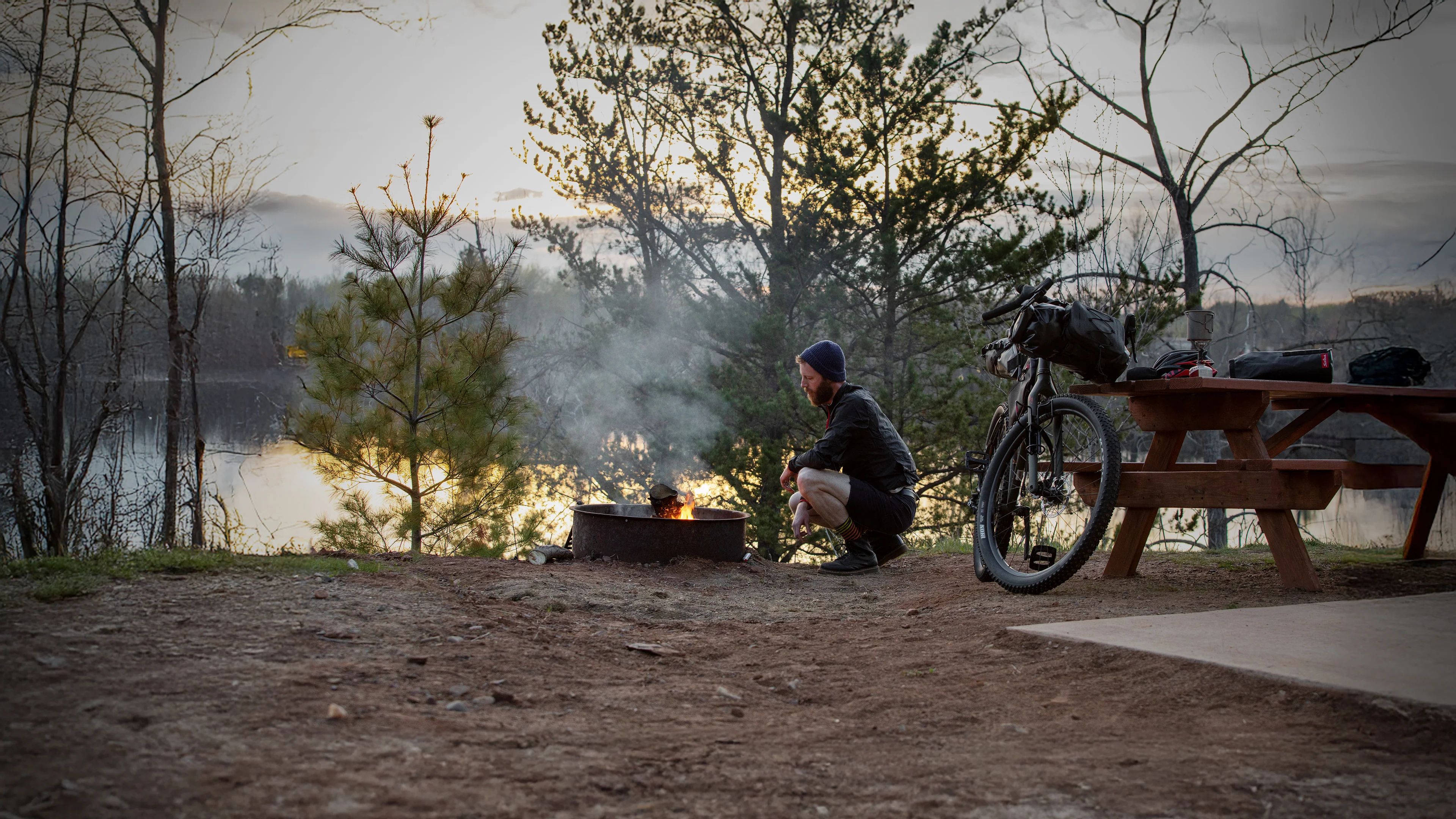
First, an important clarification: the arrival of the Fargo 32 does not mark the end of the Fargo we know today. Salsa has chosen to add a new platform alongside a bike that remains one of the benchmark references for off-road bikepacking.
In cycling, some bikes follow trends while others anticipate them.
When the first Salsa Fargo arrived in 2008, the concept of an adventure bike barely existed. Touring bikes were usually adapted trekking bikes, mountain bikes or cyclocross bikes. Fargo was different. It was designed from the ground up for travelling far from pavement on dirt roads, remote tracks and mixed terrain.
Drop bars, 29" wheels, stable geometry, large cargo capacity, suspension fork compatibility and generous tire clearance may seem normal today. Back then, they were a small revolution.
The Fargo has evolved through six generations, but much of the cycling world has gradually moved toward ideas that Salsa identified years earlier.
Fargo 29 or Fargo 32?
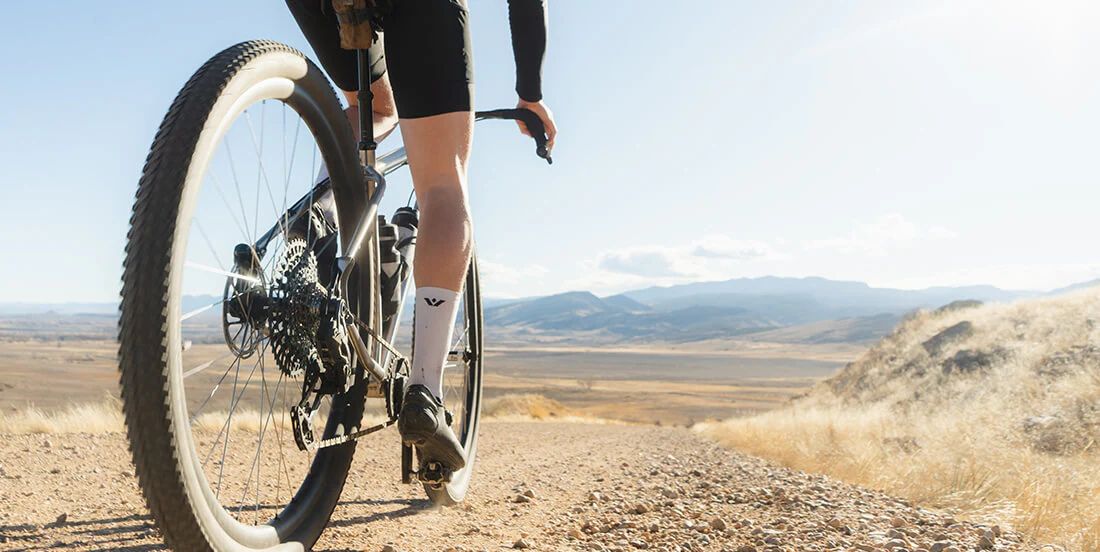
The most interesting question today is not whether the Fargo is still relevant.
The real question is: Fargo 29 or Fargo 32?
At least for now, the answer is that the two platforms are not replacing one another.
The Fargo 29 is a mature platform, proven through thousands of trips, races and expeditions worldwide. Components, wheels, tires and build options are widely available and thoroughly understood.
The Fargo 32 represents a new direction. It is a young platform designed to explore the potential benefits of larger-diameter wheels for bikepacking and long-distance adventure riding.
Choosing a Fargo 29 today means relying on a proven and established solution. Looking at the Fargo 32 means looking at where the adventure segment may evolve over the coming years.
Why did Salsa develop a 32" Fargo?
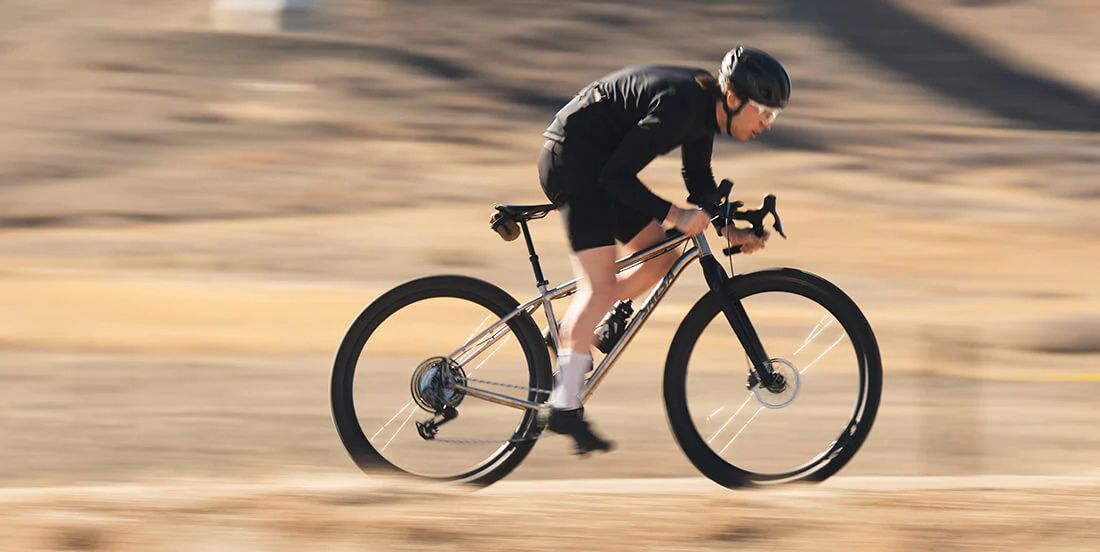
32" wheels are not a Salsa invention.
Over the past few years, several small manufacturers and custom framebuilders have experimented with this wheel size in an attempt to improve rolling efficiency, comfort and obstacle rollover performance.
The difference is that Salsa is among the first global brands to develop a purpose-built 32" platform and bring it to market across a full range of frame sizes.
The Fargo 32 will be available in both steel and titanium, from size S to XL, while preserving much of the DNA that made the traditional Fargo so successful.
Not just a Fargo with bigger wheels
The Fargo 32 is not simply a standard Fargo fitted with larger wheels.
The entire geometry has been redesigned around the new wheel format.
The head angle drops to 67°, the seat angle increases to 75°, chainstays become longer and wheelbase grows significantly compared to the 29er Fargo. Rider position has also been reworked to maintain balance and comfort despite the larger wheels.
Salsa calls this approach Multi-Fit Geometry: a layout primarily designed around drop bars but equally adaptable to flat-bar configurations.
The Fargo DNA remains intact
Despite the move to 32" wheels, many of the defining Fargo characteristics remain unchanged.
- Threaded bottom bracket.
- External cable routing.
- Rohloff and belt-drive compatibility.
- Alternator dropouts.
- Extensive mounting options for bags, racks and accessories.
- A frame designed for travel and field serviceability.
In other words, Salsa is experimenting with wheel size without abandoning the philosophy that has always defined the Fargo.
What do 32" wheels actually promise?

According to Salsa, the main advantage of 32" wheels is simple: going farther while using less energy.
A larger wheel rolls over obstacles more easily, maintains momentum better, allows lower tire pressures and provides a larger contact patch.
In theory, this translates into:
- improved rolling efficiency
- better traction
- greater momentum retention
- less speed loss over obstacles
- higher efficiency over long distances
Early independent reviews seem to confirm at least some of these impressions, particularly on fast dirt roads, remote gravel routes and long-distance mixed-terrain rides.
Perhaps the best description came from a tester who summed it up simply: once up to speed, the bike feels like it wants to keep moving on its own.
Potential drawbacks
Of course, there are compromises.
Larger wheels require more energy to accelerate, reduce agility during rapid direction changes and may feel less responsive in tight technical terrain.
Gear selection also becomes more important because the larger wheel diameter effectively changes drivetrain development.
There is also the practical reality that the 32" ecosystem is still in its infancy. Wheels, tires and dedicated components remain far less common than their 29" counterparts.
And then there is the visual aspect.
The first images of the Fargo 32 immediately stand out, even to riders long accustomed to 29ers. The proportions feel unusual at first glance. Then again, the same thing was once said about 29" mountain bikes.
Only time will tell whether 32" wheels follow a similar path or remain a niche solution.
Did Fargo create a category?
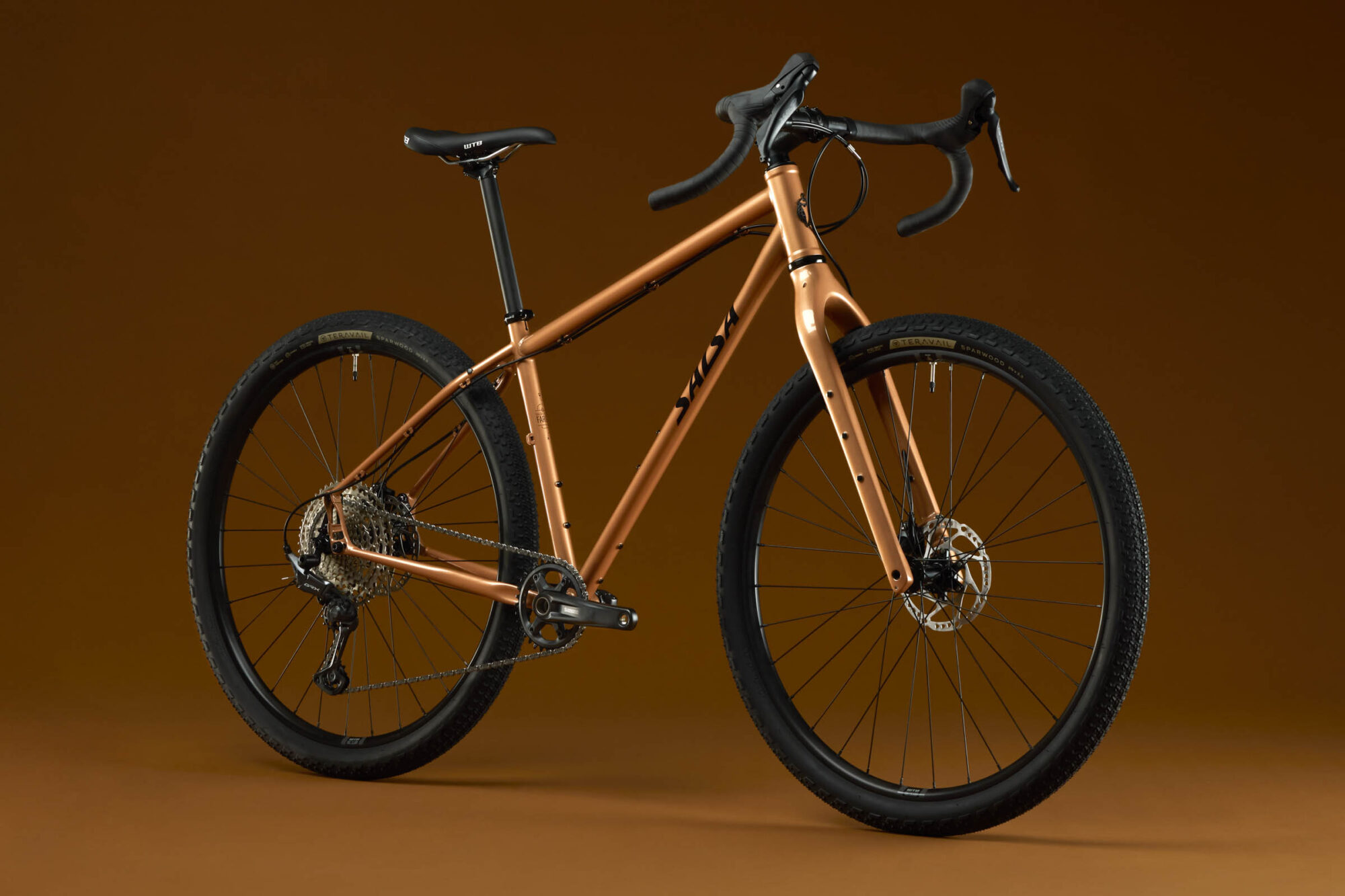
Giving a single bicycle credit for creating an entire category would be an exaggeration.
However, it is difficult to ignore the role Fargo played in the evolution of modern adventure bikes.
Many bicycles now considered benchmarks share principles that Fargo introduced years ago: stability-focused geometry, generous tire clearance, cargo capacity, mechanical versatility and a strong focus on real-world use.
Today the market offers many interpretations of a similar idea, from the Bombtrack Beyond family to the Kona Sutra LTD, Panorama, Tumbleweed and numerous specialist manufacturers.
Fargo still occupies a unique position. It is not simply a bicycle, but a platform around which an entire approach to off-road travel has developed.
A platform before it was a bicycle
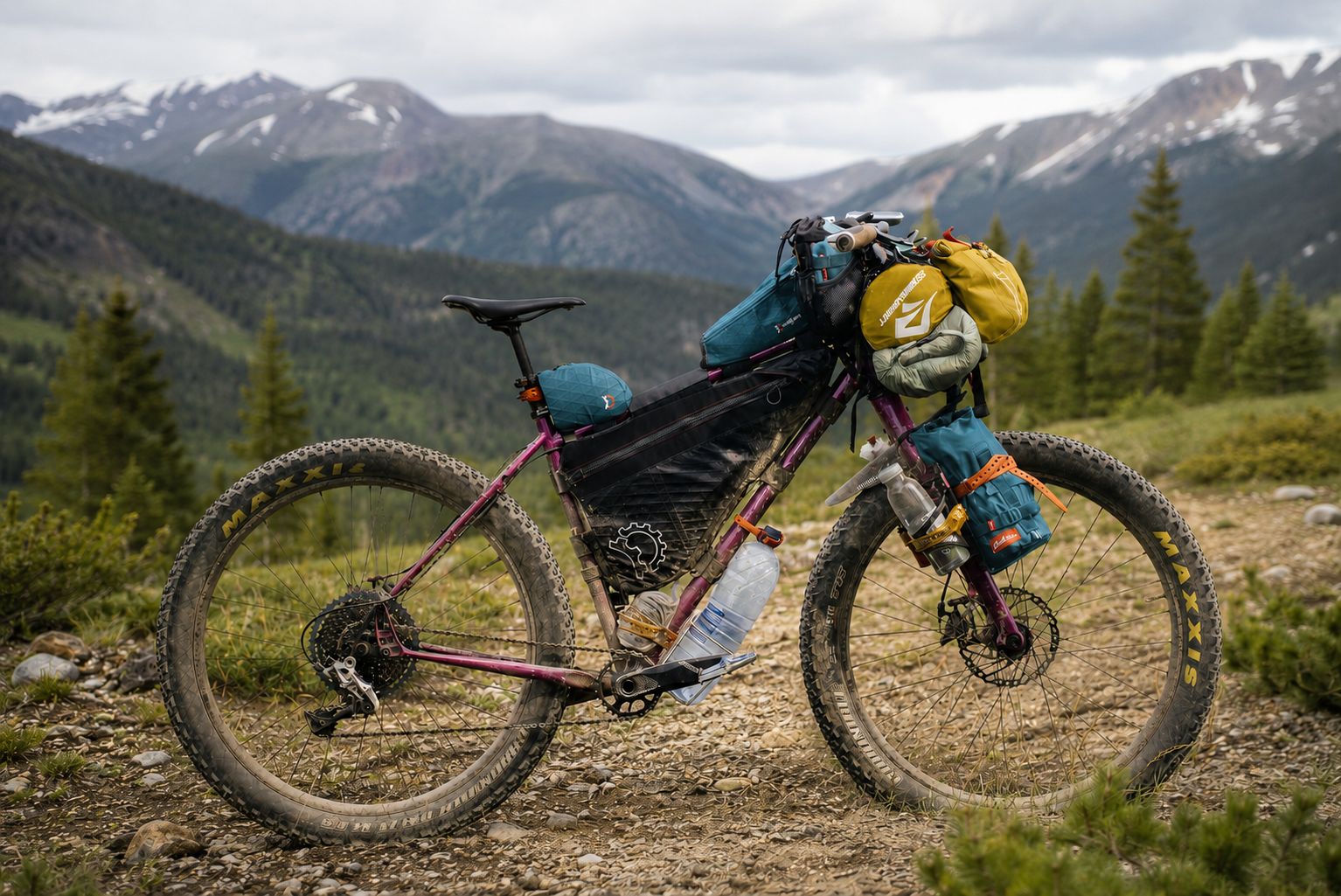
One of the reasons Fargo remains so relevant is its remarkable ability to adapt to very different types of riding.
The same frame can become a fast bikepacking machine, a companion for months-long travel or an expedition platform designed for remote regions.
Some typical build concepts include:
Fargo Expedition
Rohloff drivetrain.
Permanent lighting powered by a SON dynamo hub.
High-capacity racks and luggage.
A build focused on autonomy and reliability.
Further reading: How to build a touring bike with Rohloff and a SON dynamo hub
Fargo Bikepacking
1x drivetrain.
Minimal luggage.
Maximum efficiency over long distances.
Lightweight wheelsets.
Wheel choice has a major influence on Fargo's character, from expedition-oriented builds focused on reliability to lightweight setups for bikepacking and ultra-distance riding.
Learn more: How to choose wheels for bikepacking and adventure riding
Fargo Adventure MTB
100 mm suspension fork.
High-volume tires.
Technical routes and remote trails.
Fargo Four Seasons
Full fenders.
Dynamo lighting.
Fast-rolling tires.
Year-round use on pavement and dirt roads.
The ability to evolve over time is one of the reasons many riders see Fargo as a long-term investment rather than simply another bicycle.
What routes is it still made for?
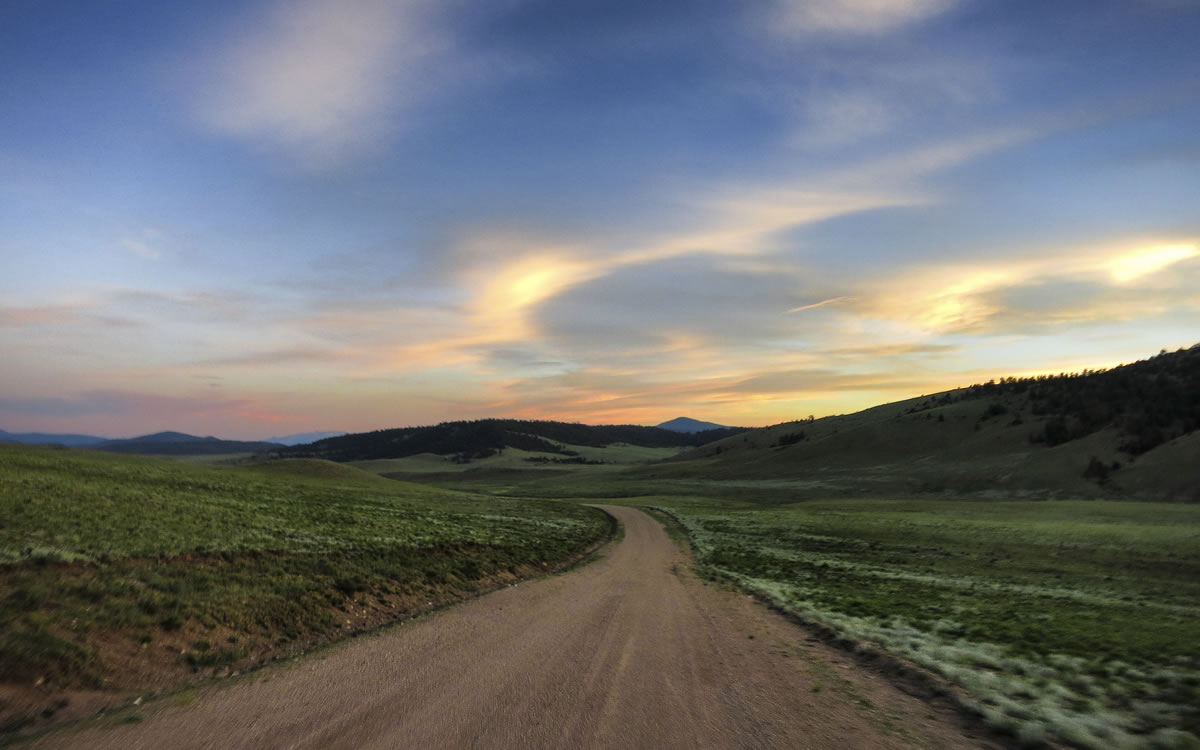
Fargo remains one of the most credible platforms for routes such as:
- Great Divide Mountain Bike Route
- Tour Divide
- Atlas Mountain Race
- Highland Trail 550
- Iceland Divide
- many European bikepacking routes with a strong off-road focus
Not because it is the only option, but because it was designed specifically for this type of riding.
Fargo vs Cutthroat: two ways to go far
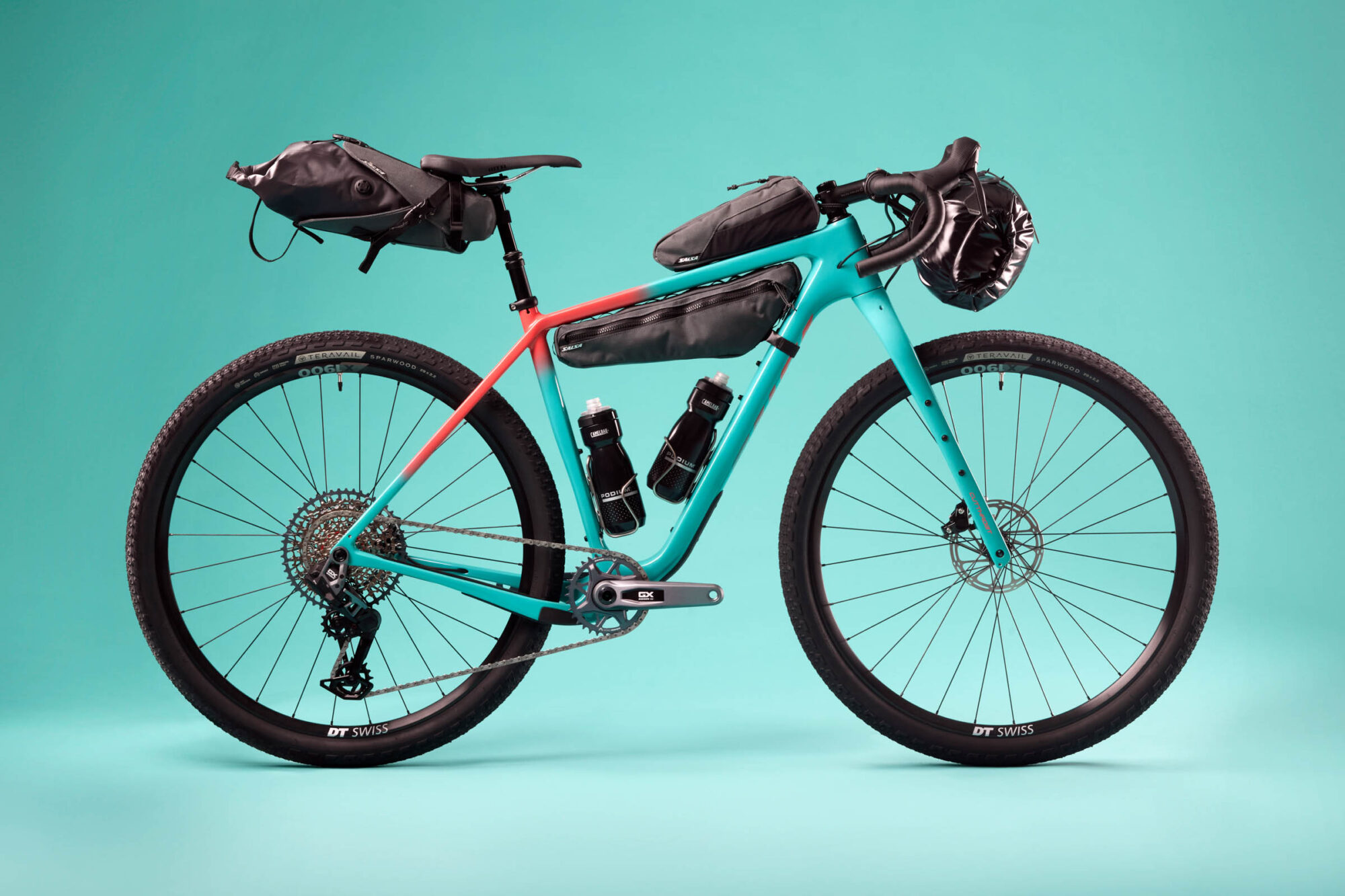
Fargo and Cutthroat share the same Adventure by Bike philosophy, but they approach travel in different ways.
Cutthroat prioritises low weight, speed and efficiency over long distances.
Fargo places greater emphasis on versatility, adaptability and freedom of configuration.
For many riders, the choice is not determined by distance but by the kind of experience they want to have.
Also read: Which Salsa Cutthroat should you choose?
Available Salsa Fargo models
Salsa Fargo GRX 610
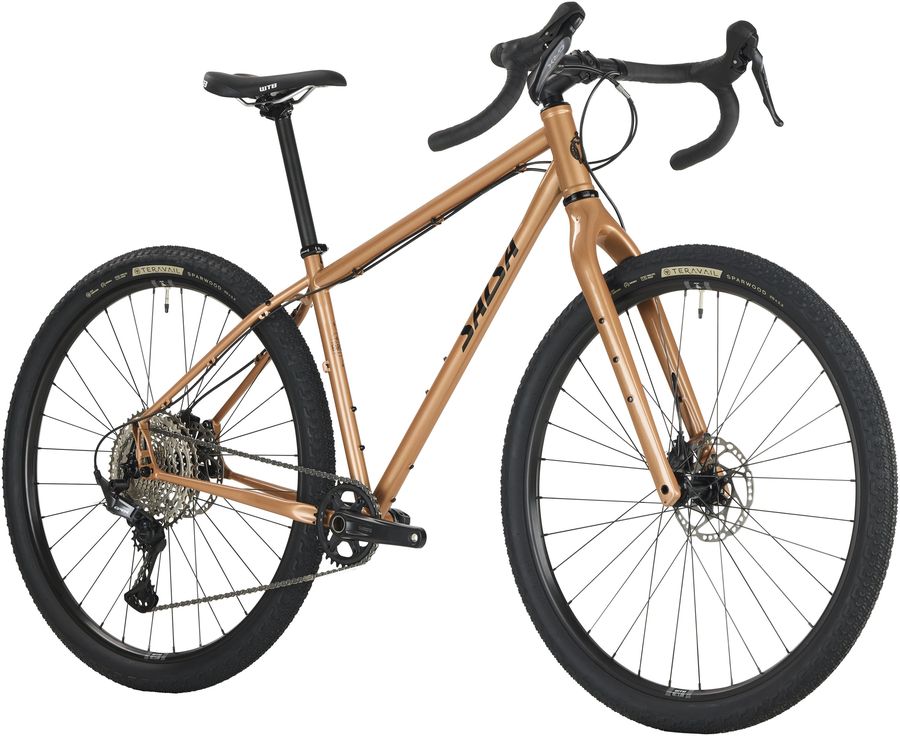
The Salsa Fargo GRX 610 is the most accessible model in the range. Shimano GRX 1x12 drivetrain, mechanical reliability and all the versatility that defines the Fargo platform.
Salsa Fargo Apex 1
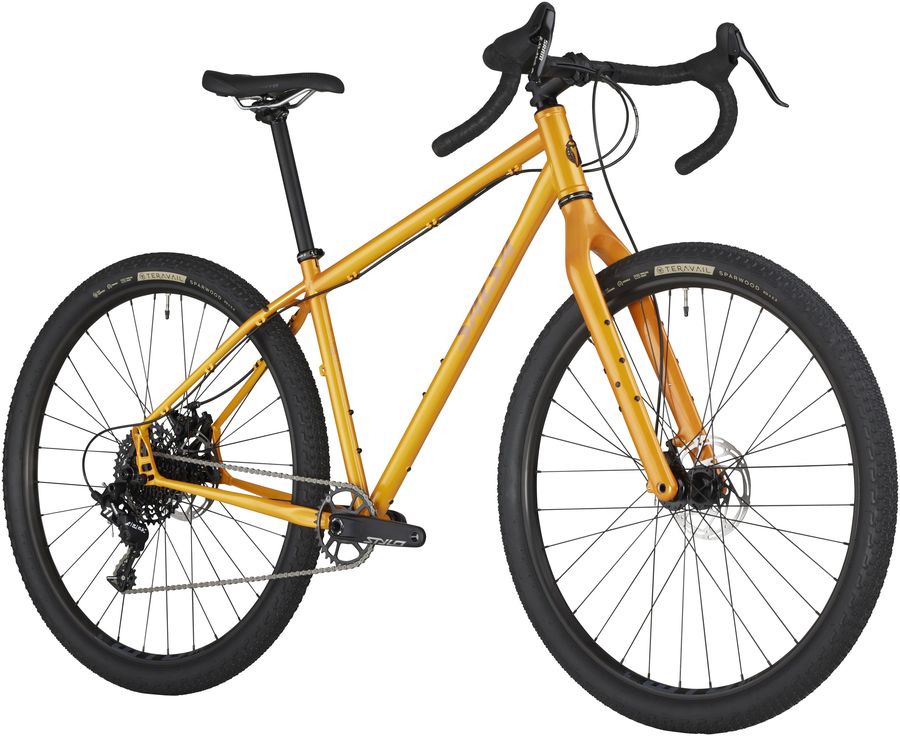
The Salsa Fargo Apex 1 is designed for off-road touring and long-distance bikepacking, using simple, durable and easy-to-maintain components.
Salsa Fargo Frameset
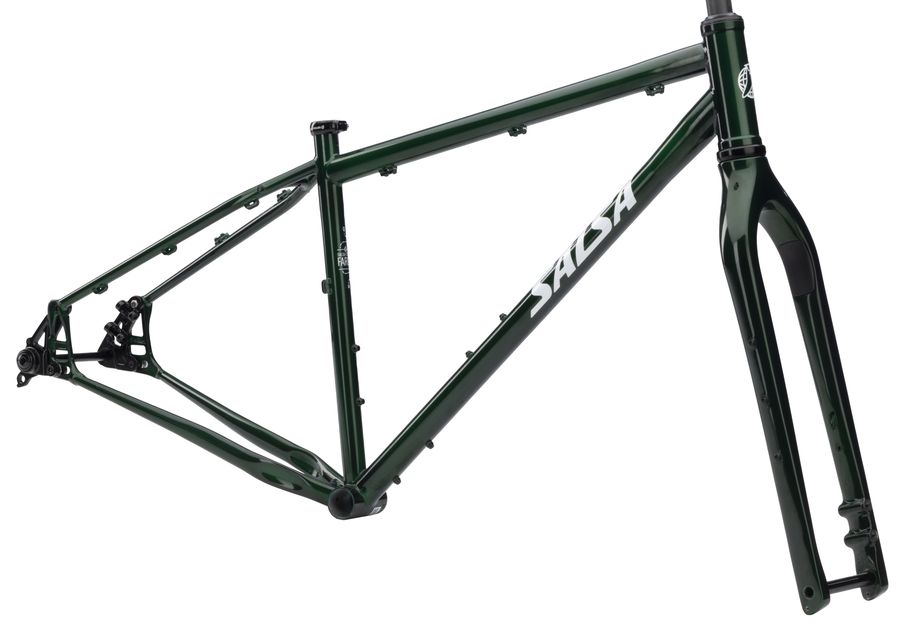
The Salsa Fargo Frameset is the ideal starting point for a fully custom build: bikepacking, expedition touring, Rohloff, dynamo-powered setups or bespoke adventure projects.
Salsa Fargo Ti Frameset
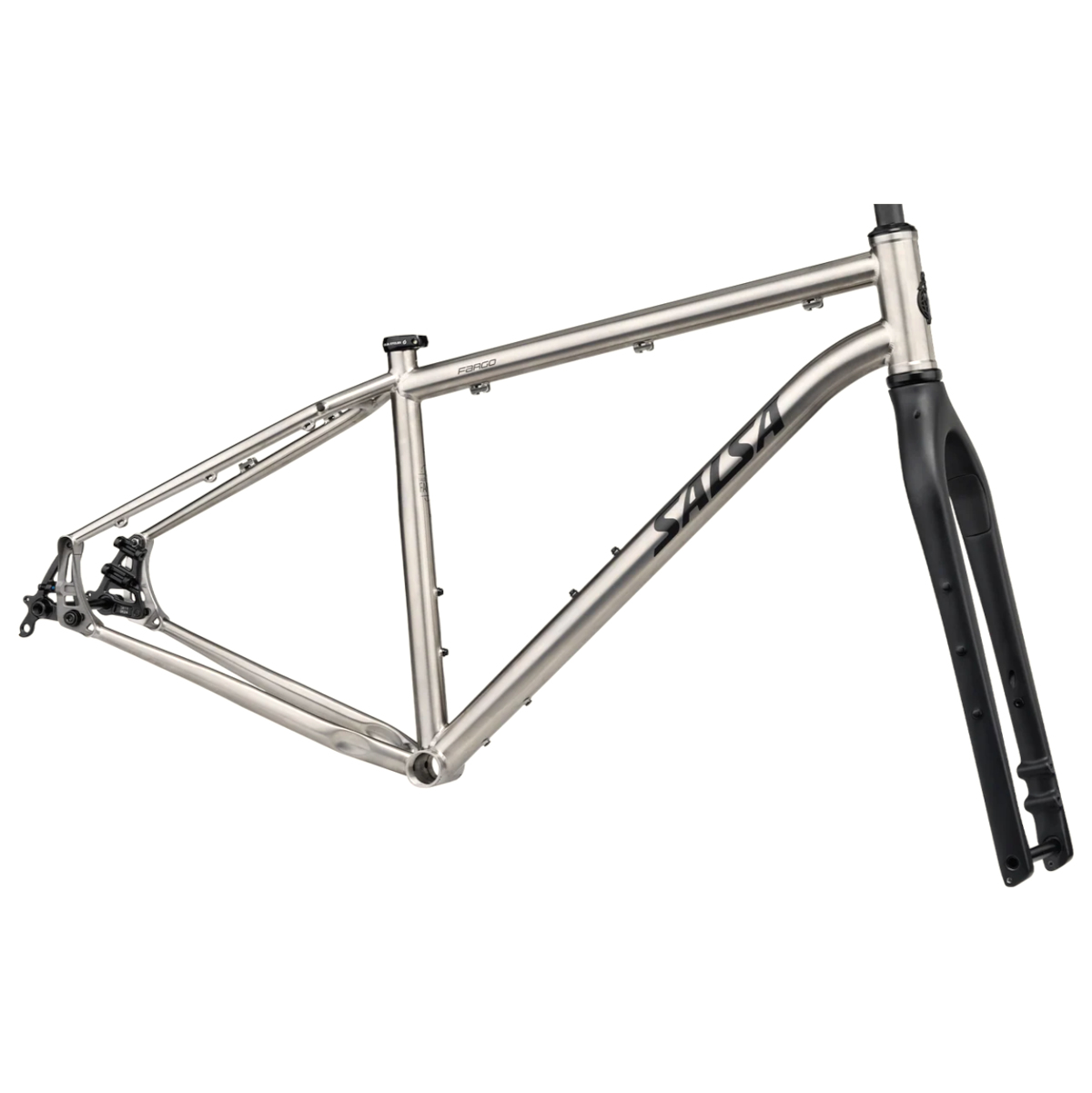
The Salsa Fargo Ti Frameset is the most refined interpretation of the Fargo platform: a titanium frame built to accompany thousands of kilometres and many years of adventure.
Fargo still does what Fargo does

The arrival of the Fargo 32 is one of the most interesting developments the adventure cycling world has seen in recent years.
It is a fascinating technical experiment that could influence the future evolution of off-road touring bicycles.
But it does not change the reason Fargo became a benchmark in the first place.
Fargo remains one of the most versatile, adaptable and coherent platforms available for riders who see travel as a combination of exploration, self-sufficiency and freedom of configuration.
The new Fargo 32 opens a door toward the future.
The 29er Fargo reminds us why this platform became a classic in the first place.
For many riders, just as it was in 2008, it remains one of the most sensible bicycles for travelling far beyond pavement.
Considering a Fargo but unsure which configuration makes the most sense for your riding?
We can help you compare complete bikes, framesets, Rohloff builds, SON dynamo wheelsets and potential future upgrades for the platform.
We always start from the journey you have in mind, not from individual components.
FAQ
Is the Fargo a gravel bike?
Not in the traditional sense. Fargo was designed as a drop-bar mountain bike and sits somewhere between adventure touring, off-road bikepacking and mixed-terrain travel. Its geometry, cargo capacity and tire clearance differ significantly from a conventional gravel bike.
Is the Fargo still relevant compared to newer bikes?
Absolutely. Many features now considered standard in the adventure segment were already present on the Fargo years ago. It remains one of the most versatile platforms available for bikepacking and off-road travel.
What is the difference between the Fargo and the Cutthroat?
The Cutthroat prioritises low weight, speed and efficiency through its carbon frame. The Fargo places greater emphasis on versatility, adaptability and freedom of configuration, especially for riders who expect their bike to evolve over time.
Can I use a Rohloff hub on a Fargo?
Yes. Fargo has long been one of the most popular platforms for Rohloff builds thanks to its Alternator dropouts and travel-oriented design philosophy.
Does it make sense to fit a suspension fork?
That depends on your intended use. For technical routes and remote trails, a suspension fork can offer significant advantages. For many travellers, however, a rigid fork still provides unmatched simplicity, reliability and ease of maintenance.
Should I buy a complete bike or start with the frameset?
It depends on your project. A complete bike allows you to start riding immediately with a proven specification. A frameset makes sense if you want specific components, dedicated wheelsets, Rohloff gearing, a SON dynamo system or a fully customised build.
Will 32" wheels replace 29" wheels?
It is still too early to say. The 32" platform is extremely interesting, but the ecosystem is only beginning to develop. Today, the 29er Fargo remains the most established choice in terms of component availability, tire selection and proven real-world experience.