
- Steel, aluminium or titanium: which to choose for gravel, adventure and touring?
- First things first: what really defines how a bike rides
- Steel: durability, repairability and consistent behaviour over time
- Aluminium: functional lightness, precision and value for money
- Titanium: corrosion resistance, refined ride quality, long-term investment
- Choosing without mistakes
- FAQs – Steel, Aluminum, Titanium: real differences and frame choice
Steel, aluminium or titanium: which to choose for gravel, adventure and touring?
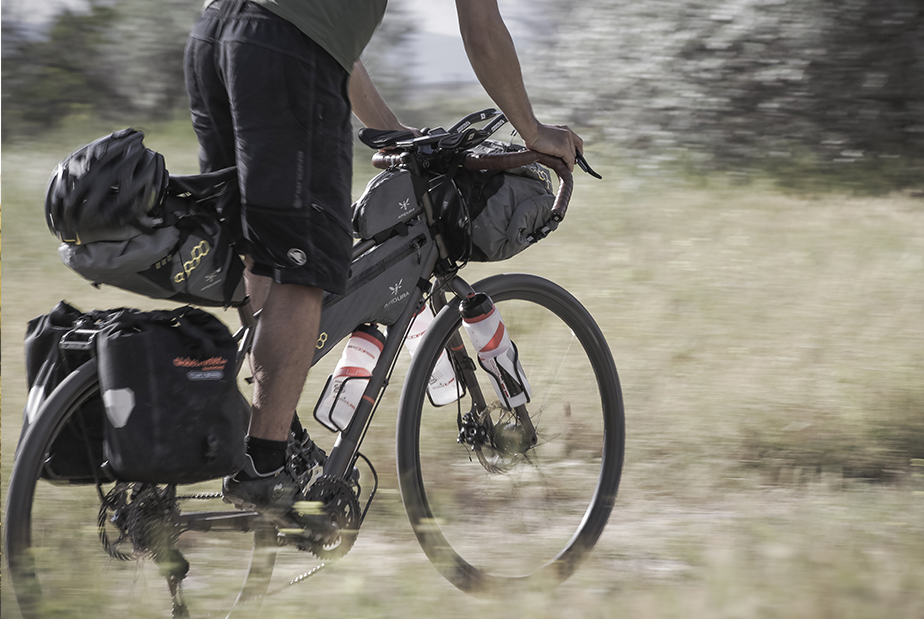
When frame materials are discussed, the conversation often drifts into “mythical” statements (titanium is always more comfortable, aluminium is always harsh, steel is always heavy). In reality, what you feel on the bike results from a combination of factors: frame design (tube diameters and wall thickness), geometry, wheels and tyres, tyre pressure, cockpit setup, seatpost choice and even the load you carry.
That said, steel, aluminium and titanium do have real, tangible differences. If you are choosing a gravel, adventure or touring bike meant to be ridden regularly, understanding these differences helps you avoid unnecessary compromises and invest where it truly matters.
First things first: what really defines how a bike rides
Before material choice, these elements have a major impact on real-world performance:
- Tyres and pressure: width, casing and tubeless setups often influence comfort and grip more than a “material upgrade”.
- Geometry and wheelbase: stability, responsiveness, weight distribution and behaviour under load.
- Front triangle and rear triangle stiffness: determined by design and tubing (diameters, thickness, shaping), not just by material.
- “Compliant” components: seatposts, handlebars, wheels and saddles all contribute to vibration damping.
- Real-world use: commuting, fast gravel riding, travel, loaded bikepacking — each scenario rewards different characteristics.
A practical consequence: two steel frames can feel completely different; the same applies to aluminium and titanium. Material matters, but it is only one part of the equation.
Steel: durability, repairability and consistent behaviour over time
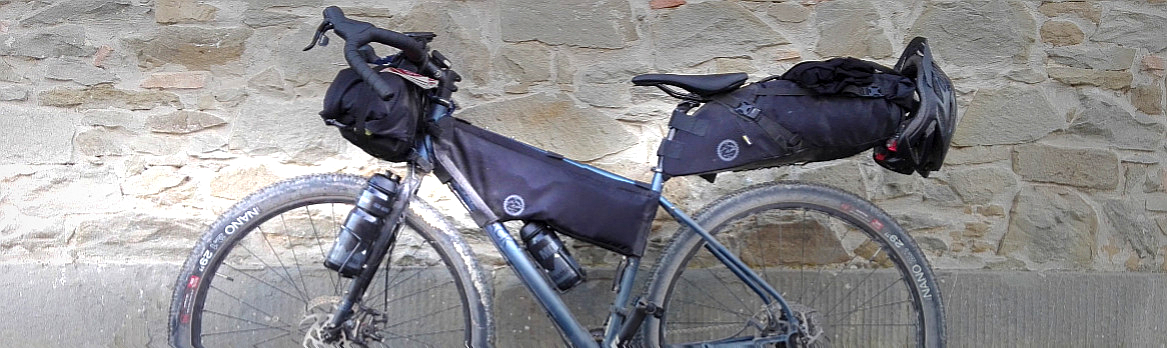
Modern steel (CrMo and heat-treated tubing) remains a benchmark for riders looking for a bike to use consistently, including on rough surfaces and long trips. In many real-world gravel and touring builds, steel is still a highly rational choice.
What it typically delivers in practice:
- Progressive ride feel: often described as composed and predictable on broken tarmac and smooth gravel.
- Excellent load handling: on frames designed for racks and bags, behaviour remains stable and easy to read.
- Repairability: a genuine advantage for travel and intensive use.
Where steel makes sense in our catalogue:
- Balanced, dependable gravel bikes such as Bombtrack Hook – Red or versatile “one bike, many roles” platforms like Genesis Croix de Fer.
- Adventure and bikepacking platforms such as Bombtrack Beyond and related models in Adventure & Touring.
Typical trade-offs: potentially higher weight compared to premium titanium solutions or some aluminium frames, and the need for proper corrosion protection over time.
Aluminium: functional lightness, precision and value for money
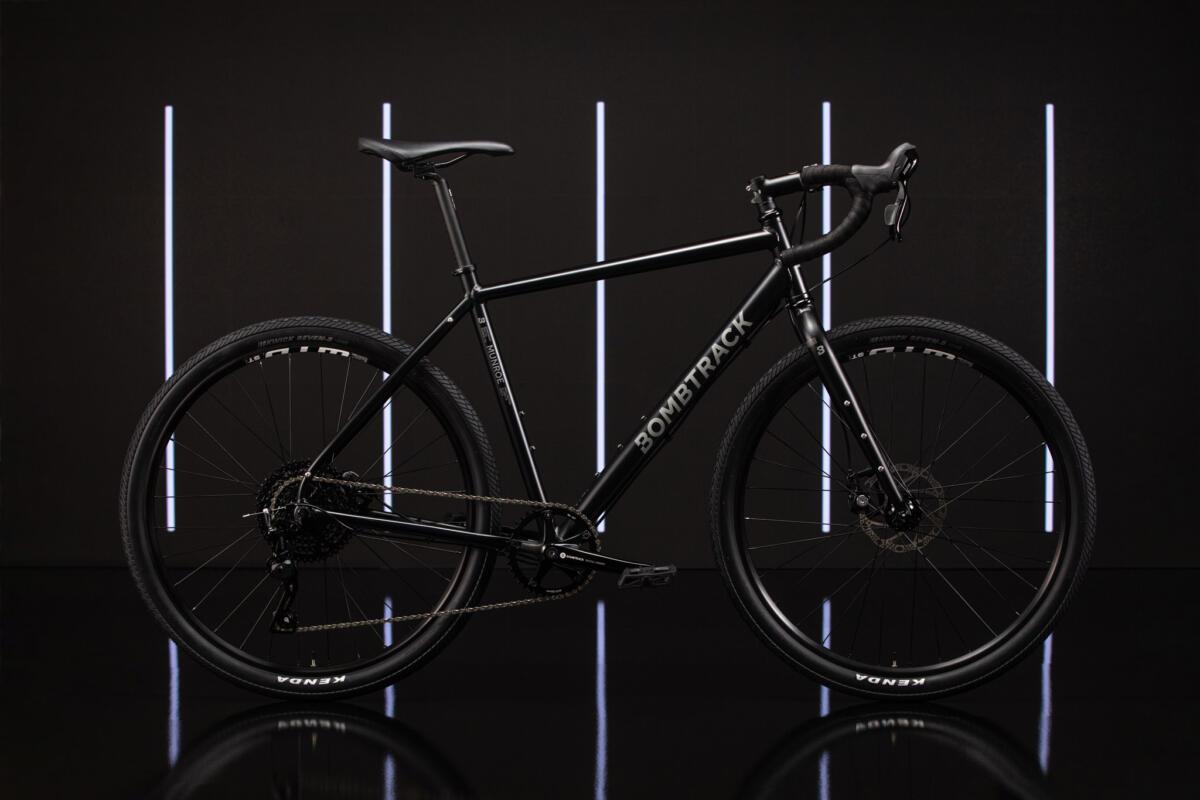
Aluminium is often the best choice when you want a responsive, practical bike while keeping the budget under control, without giving up modern features such as carbon forks or contemporary geometry.
What it typically delivers in practice:
- Useful stiffness and quick response under power.
- Competitive weight in the accessible to mid-range segment.
- Strong value proposition: more budget available for wheels and tyres, which often bring the biggest performance gains.
Typical trade-offs: can feel harsher with narrow tyres and high pressures; overall comfort depends heavily on setup choices.
Concrete examples: aluminium adventure platforms such as Beyond AL Sword and, on the classic touring side, models like Ridgeback Tour.
Titanium: corrosion resistance, refined ride quality, long-term investment
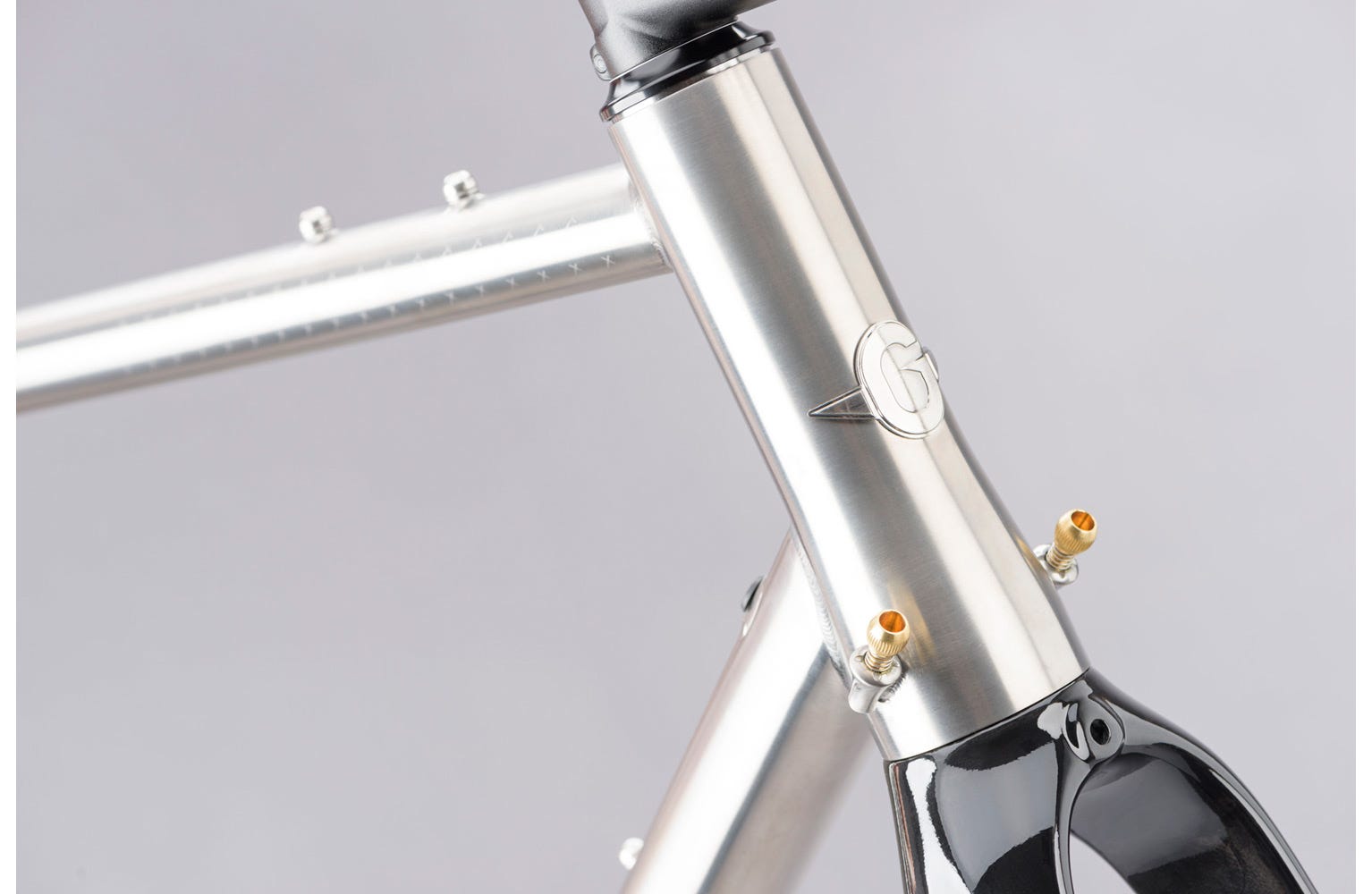
Titanium is primarily chosen for two practical reasons: exceptional corrosion resistance and a well-balanced blend of stability, comfort and responsiveness when the frame is well designed. It is often seen as a long-term platform rather than a seasonal upgrade.
Catalogue reference: Genesis Croix de Fer Ti.
Typical trade-offs: higher upfront cost and specialised repair requirements. It makes the most sense when usage is frequent and long-term durability is a priority.
Choosing without mistakes
If you tell us where you ride most often, how much luggage you realistically carry and what your priorities are (speed, comfort, load capacity, durability), we can guide you towards the most coherent platform among Bombtrack, Genesis, Ridgeback and Ritchey frames, avoiding “label-driven” purchases.
FAQs – Steel, Aluminum, Titanium: real differences and frame choice
1) How much does the frame material really matter when choosing a bike?
It matters a lot. The frame defines the bike’s identity, behavior, and long-term durability. Geometry and design come first, but the material determines robustness, consistency over time, and the overall value of a long-term investment.
2) What are the real differences between steel, aluminum, and titanium on road and gravel?
Steel emphasizes progressive ride feel, stability, and long-term reliability.
Aluminum offers functional lightness, precision, and excellent value for money.
Titanium combines corrosion resistance, stability, and comfort in a long-term, lifetime-oriented approach.
3) Why is steel still so common in gravel, adventure, and touring bikes?
Because it aligns well with real-world use. A well-designed steel frame remains predictable under load, handles wear over time effectively, and can be repaired—key qualities for frequent riding and mixed-surface travel.
4) Is aluminum a “compromise” choice?
Not necessarily. On well-designed frames, aluminum is a modern and rational option: light, precise, and reliable. It’s ideal when you want a capable, durable bike while keeping room in the budget for quality wheels and tires.
5) Is titanium just a premium choice, or does it offer real advantages?
It offers real advantages. Its resistance to corrosion and long-term material stability make it ideal for riders who use their bike often and over many years. A well-designed titanium frame is built to last decades, not seasons.
6) Can two frames made from the same material feel very different?
Yes, significantly. Tube diameters, wall thicknesses, and geometry can completely change a bike’s character. That’s why you don’t choose “steel” or “aluminum” in abstract terms, but a specific frame designed for a specific purpose.
7) Which material is best for touring and heavy loads?
Steel and titanium are traditionally favored for stability and reliability under load, but well-designed aluminum touring and adventure frames also perform very well. The key factor is always the platform design, not the material label alone.
8) How can I choose a frame with a long-term, lifetime mindset?
Start from your real riding habits: where you ride, how often, and how much you carry. Then choose a well-designed, durable frame that fits that use. Components can evolve over time; a good frame remains and is the true foundation of a lifetime bike.