
- Looking for the current Genesis Tour de Fer models?
- What the Genesis Tour de Fer is today
- How the Tour de Fer has changed over time
- Why it is still one of the most widely used touring bikes
- Which Tour de Fer to choose today
- Tour de Fer vs gravel and adventure
- Real-world experience: travelling with the Tour de Fer
- FAQ – Which Tour de Fer should you choose?
- Conclusion
Looking for the current Genesis Tour de Fer models?
The Tour de Fer range is now broader and more up to date than the historical versions.
You can view the available models directly:
Or keep reading to understand which one to choose.
What the Genesis Tour de Fer is today
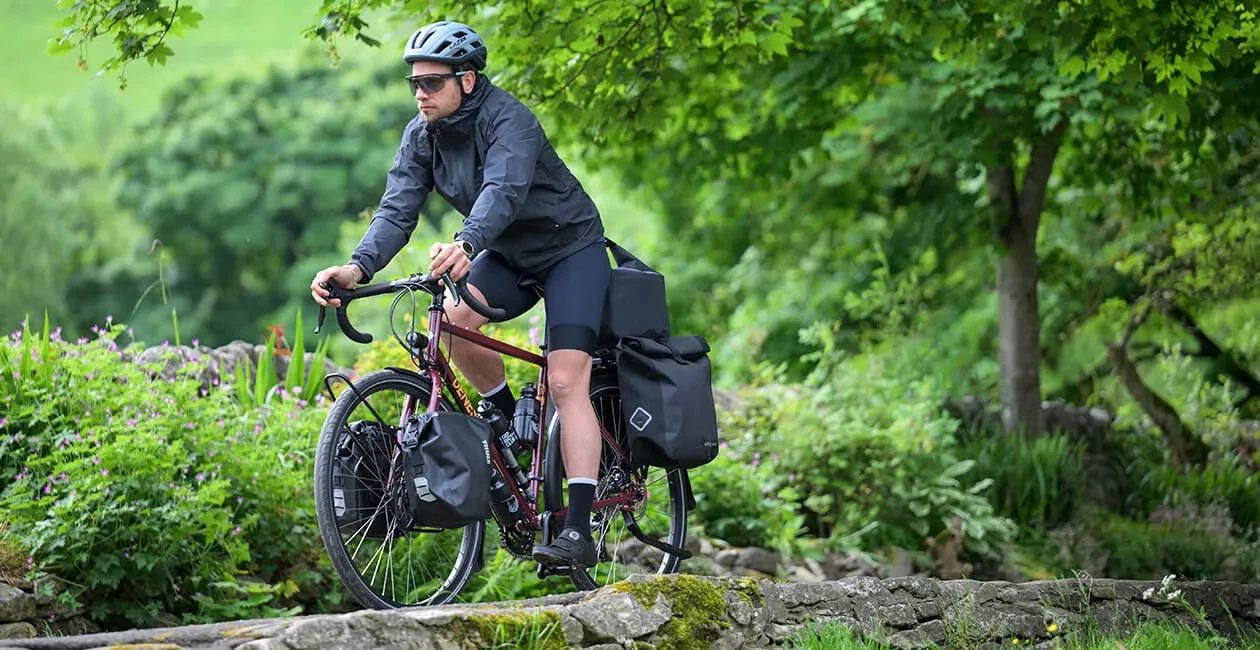
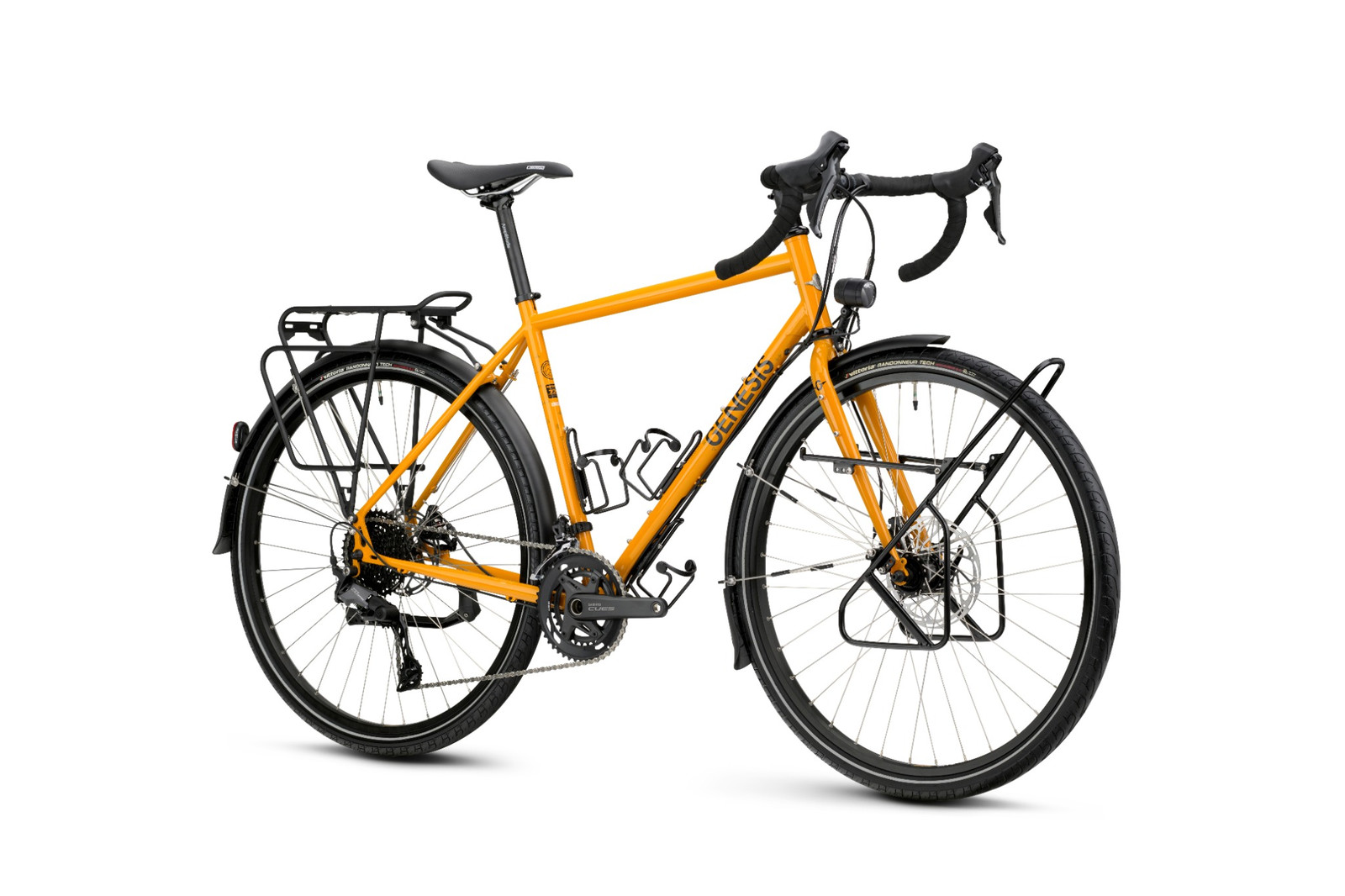
The Genesis Tour de Fer is a traditional touring bike, designed to cover long distances on asphalt and secondary roads with a full load.
It is not a gravel bike and it is not a modern adventure bike:
it is a platform designed for travel continuity, stability and long-term reliability.
Steel frame, stable geometry, full mounting provisions and easily manageable components: everything is designed for riding long distances, without complications.
How the Tour de Fer has changed over time
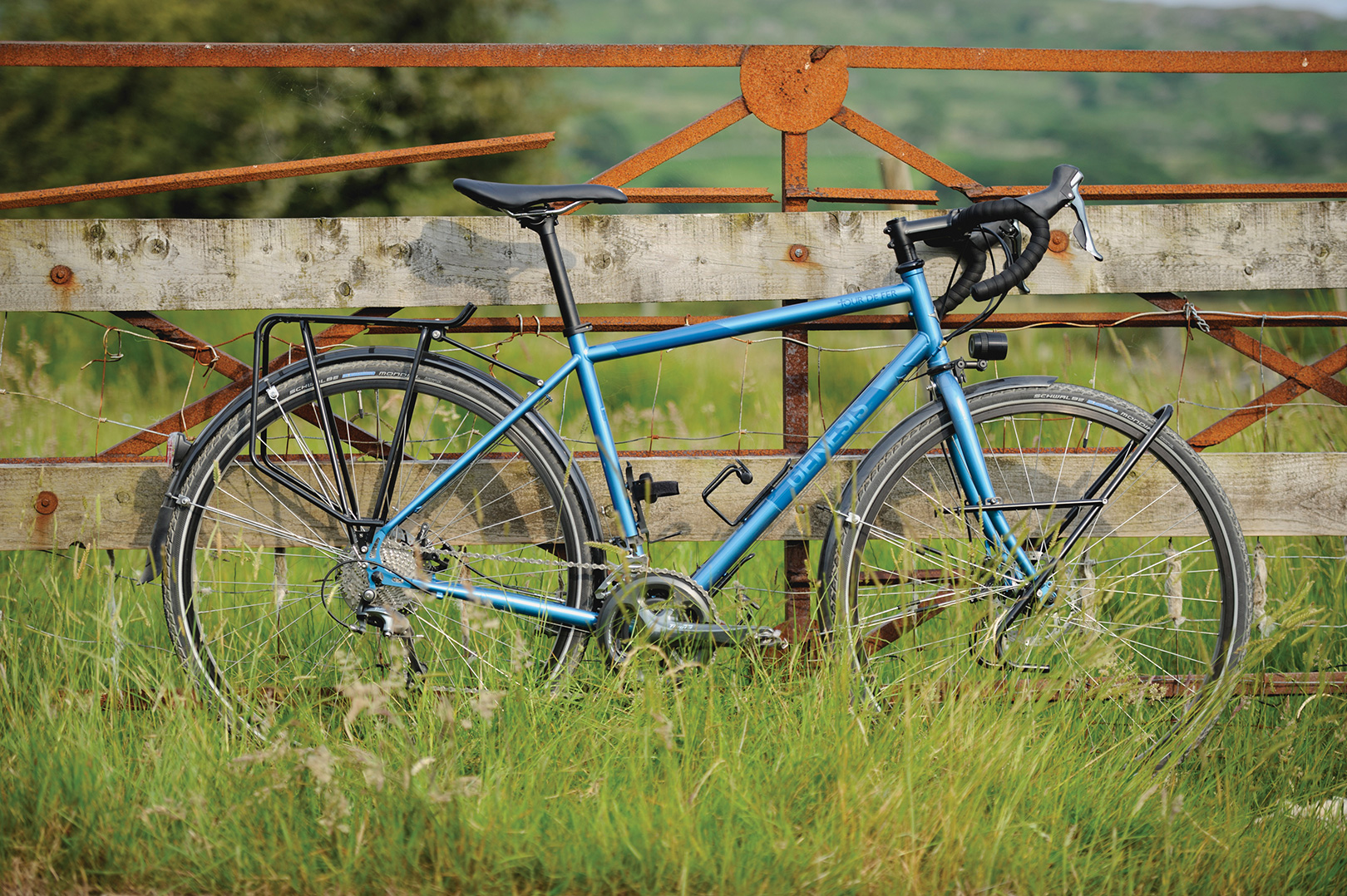
Over the years, the Tour de Fer has evolved while maintaining the same philosophy, but updating components and configurations.
The older versions used:
- triple drivetrains
- road groupsets such as Shimano Tiagra or Claris
- components that are less common today
The current versions introduce:
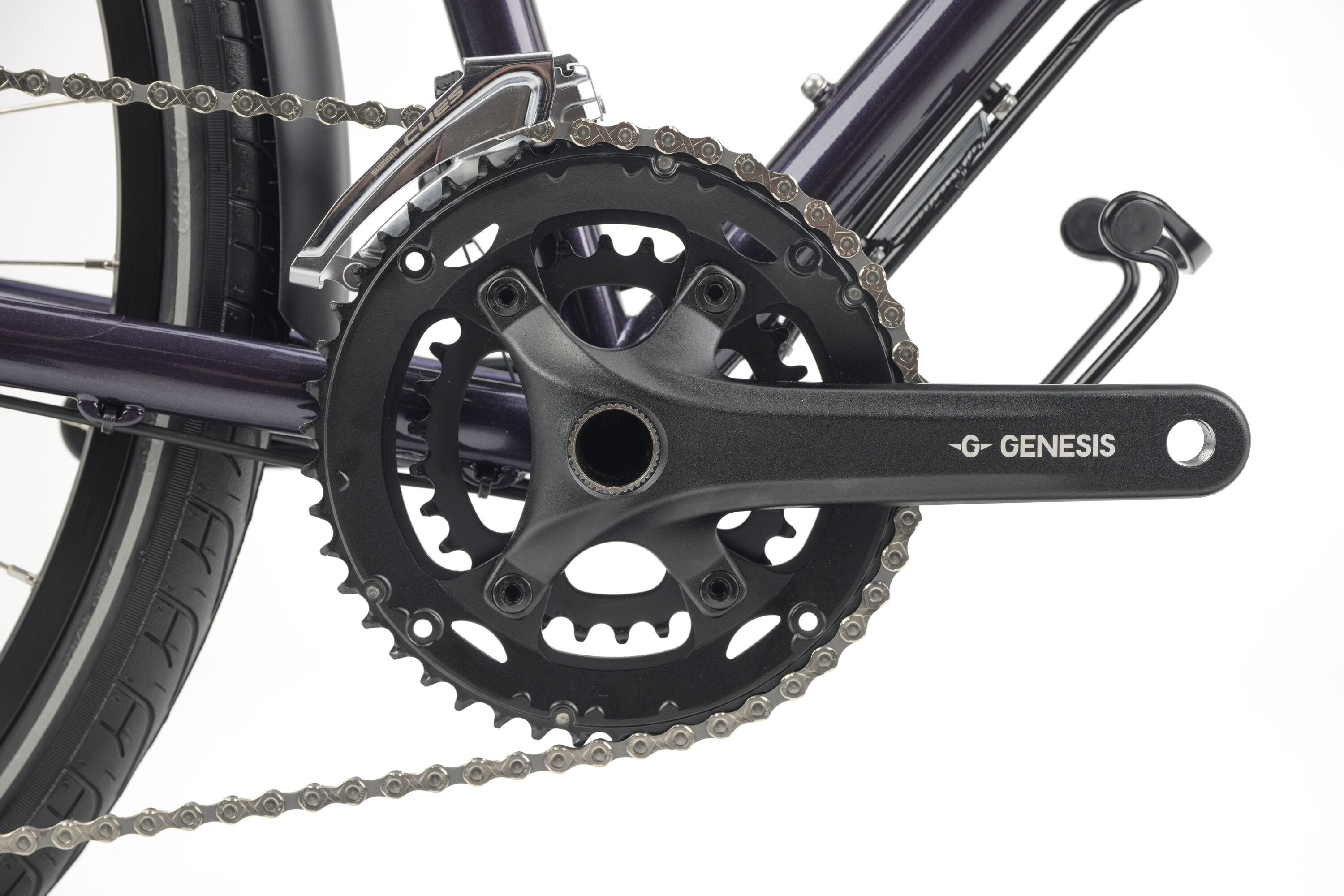
- simpler and more efficient double chainring drivetrains
- Shimano CUES groupsets with LINKGLIDE technology
- greater coherence between gearing, durability and real-world use
Some equipment components have also changed over time to adapt to availability and new market solutions, while keeping unchanged the concept of a bike ready for travel.
Why it is still one of the most widely used touring bikes
The Tour de Fer continues to be a common choice among cycle tourists for very concrete reasons:
- stability even when fully loaded
- predictable geometry over long distances
- reliable and easily manageable components
- a complete configuration already ready to use
It is a bike that does not require custom builds or modifications: it comes out of the box and is already ready to go.
Which Tour de Fer to choose today
The current range is structured across several levels, designed for different uses.
Tour de Fer 10
Entry point into the touring range: simple, complete, suitable for first trips and everyday use.
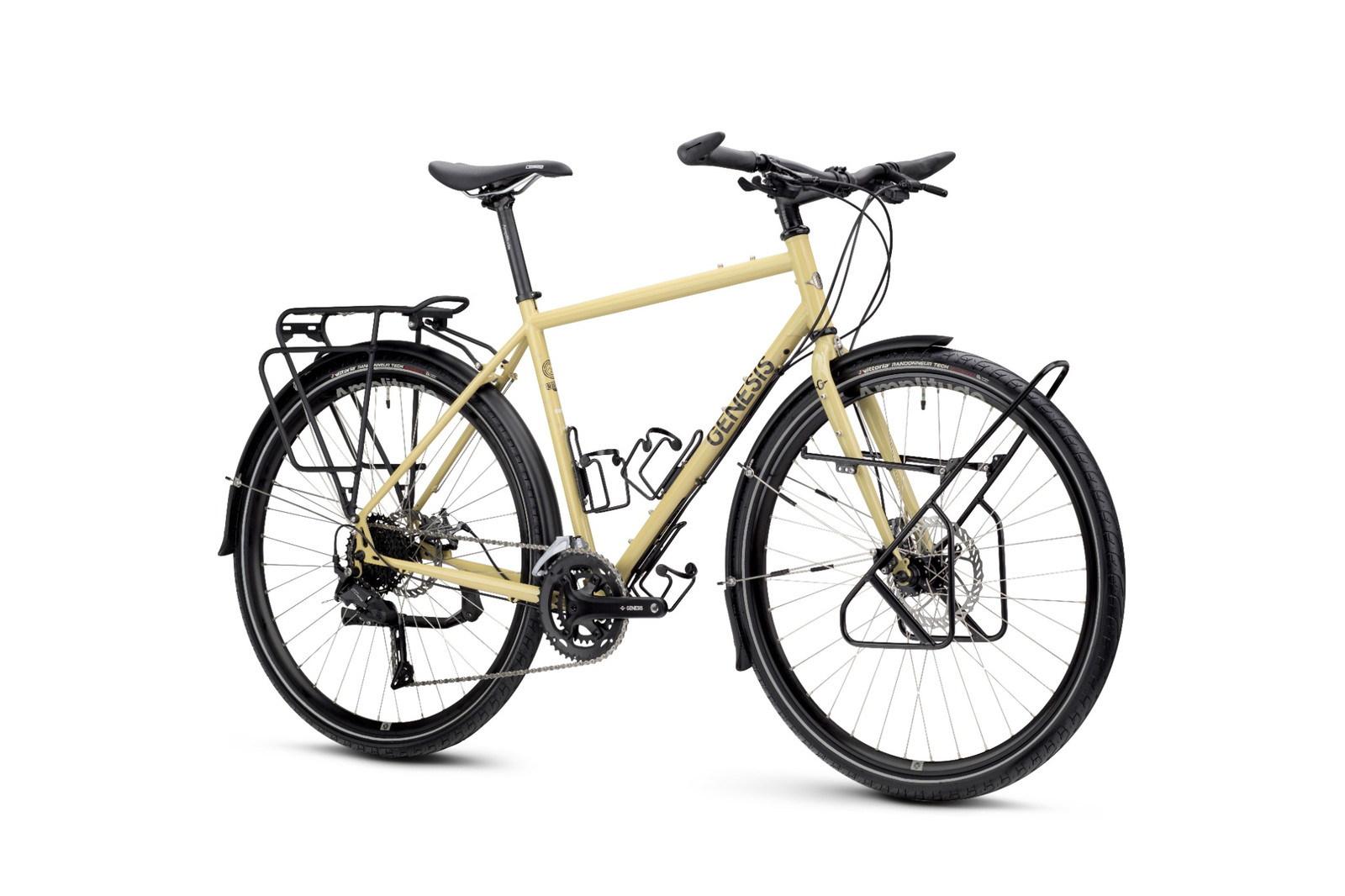
Tour de Fer 20
A more versatile configuration, with updated drivetrain and greater adaptability between commuting and travel.
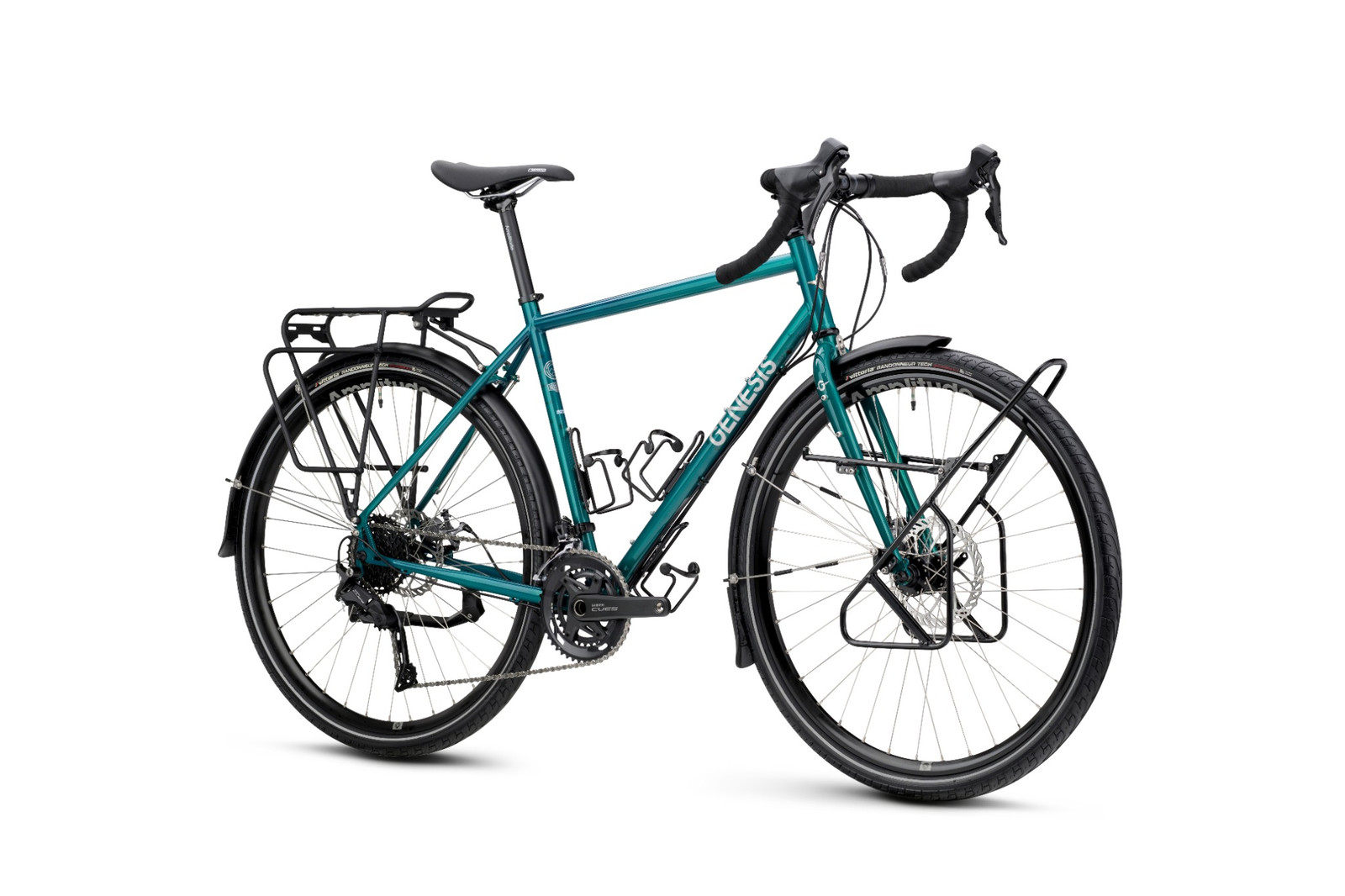
Tour de Fer 30
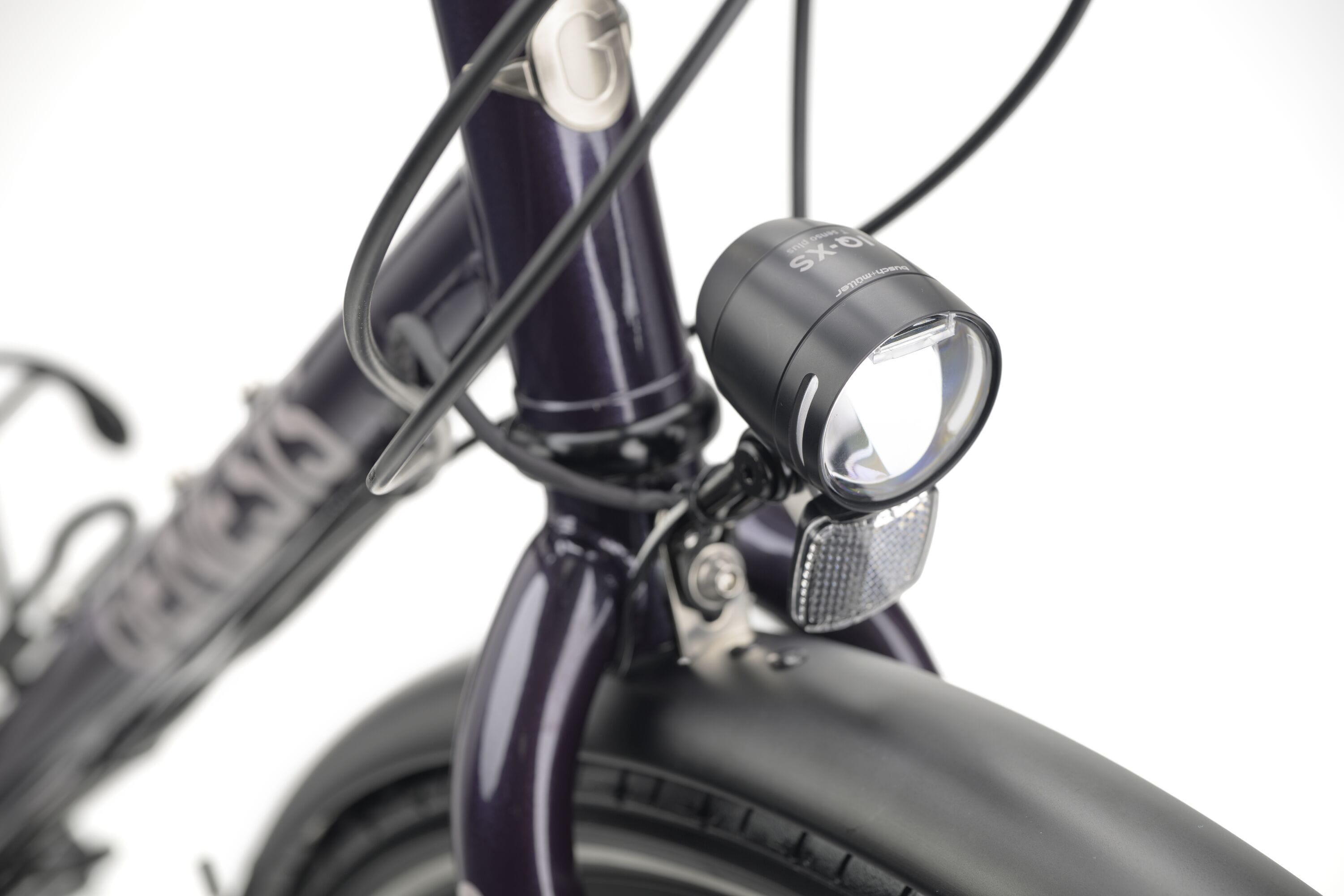
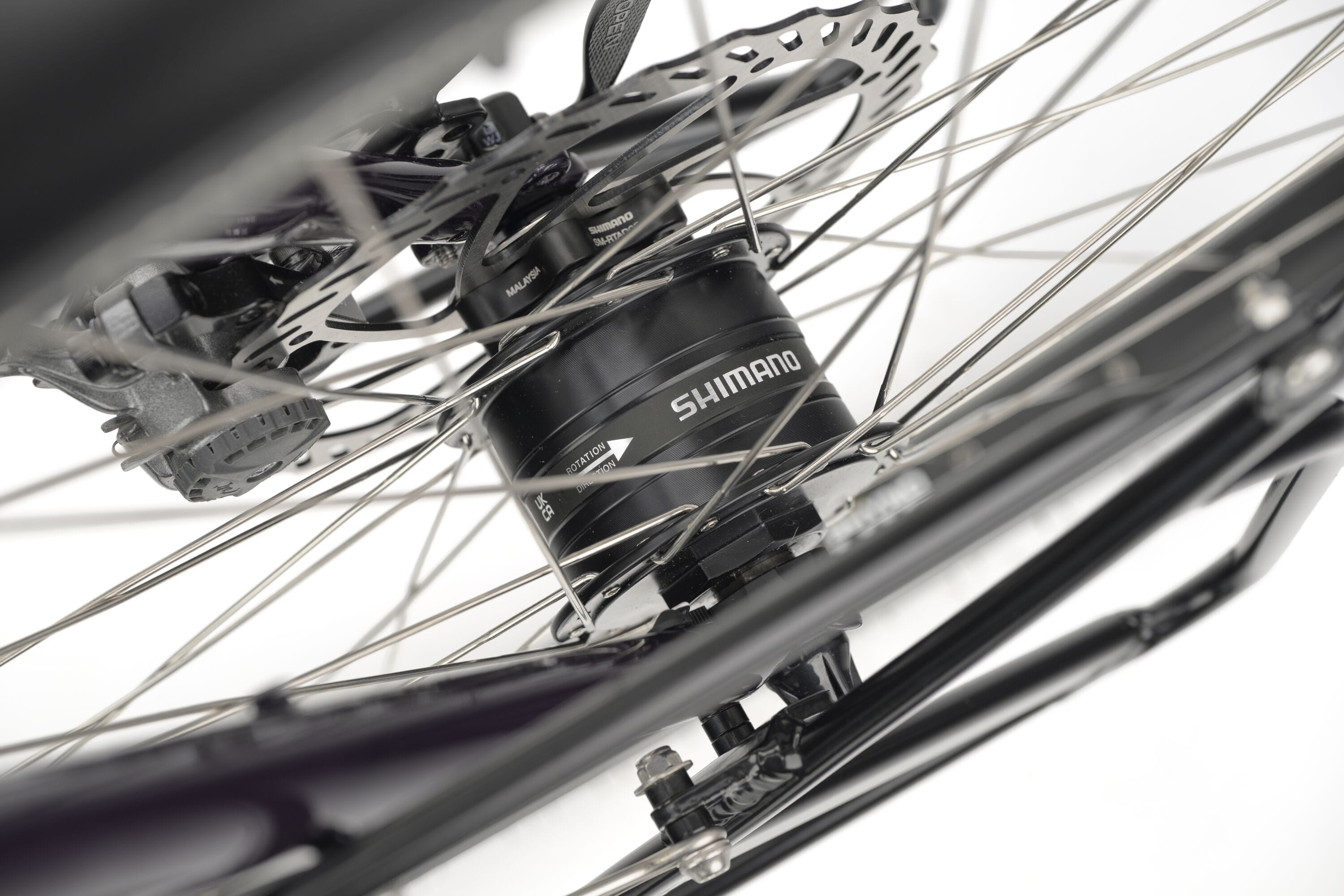
Designed for autonomous travel: dynamo, integrated lights and full equipment.
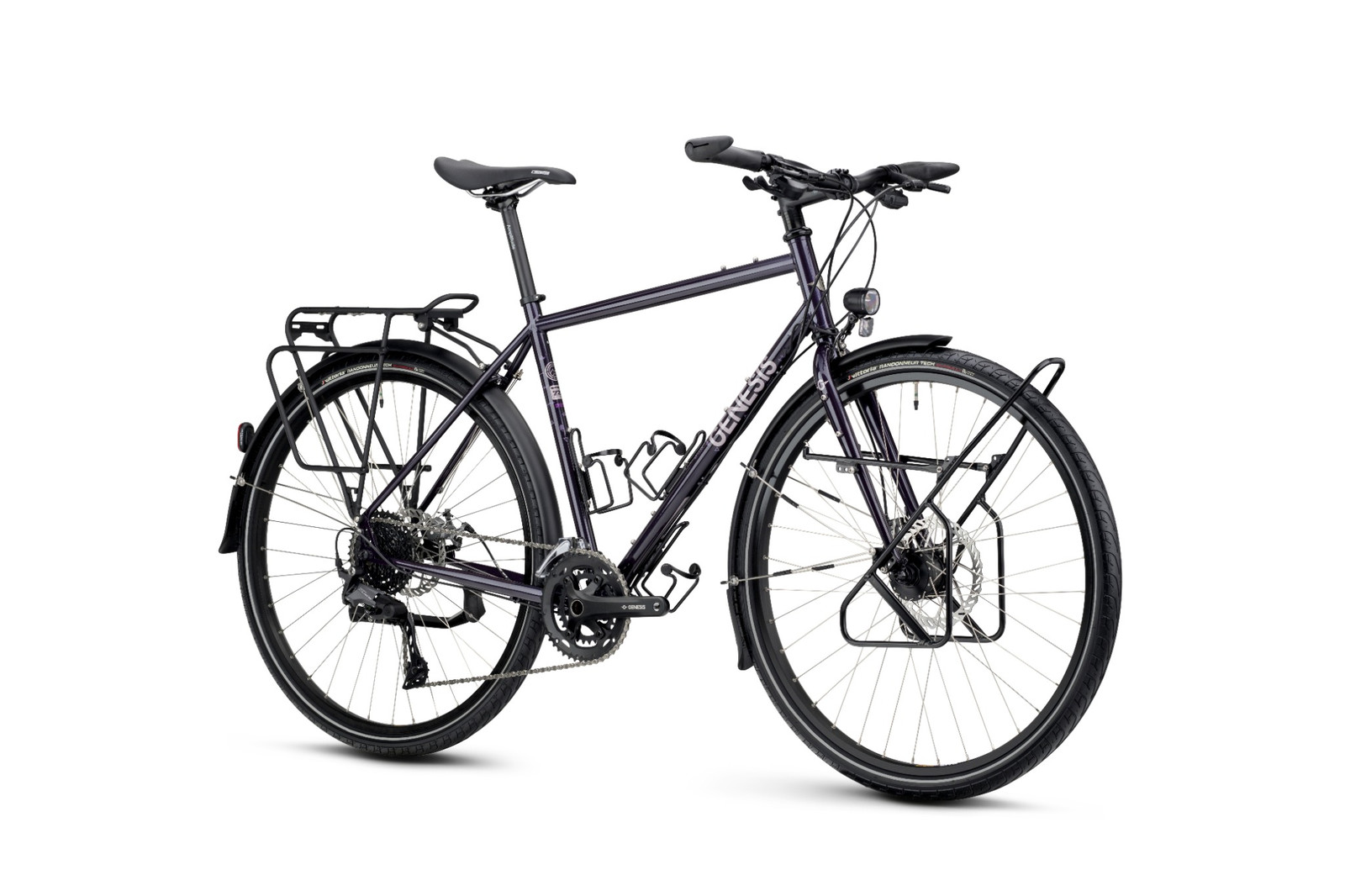
Tour de Fer 40
A more advanced configuration, with a more refined CUES drivetrain and a wider gear range.
Tour de Fer vs gravel and adventure
The Tour de Fer is a classic touring bike.
Compared to a gravel bike:
- it is more stable
- less reactive
- better suited to carrying load
Compared to an adventure bike:
- it is less off-road-oriented
- more efficient on asphalt
- more predictable over long distances
It is the right choice when the goal is travel, not performance.
Real-world experience: travelling with the Tour de Fer
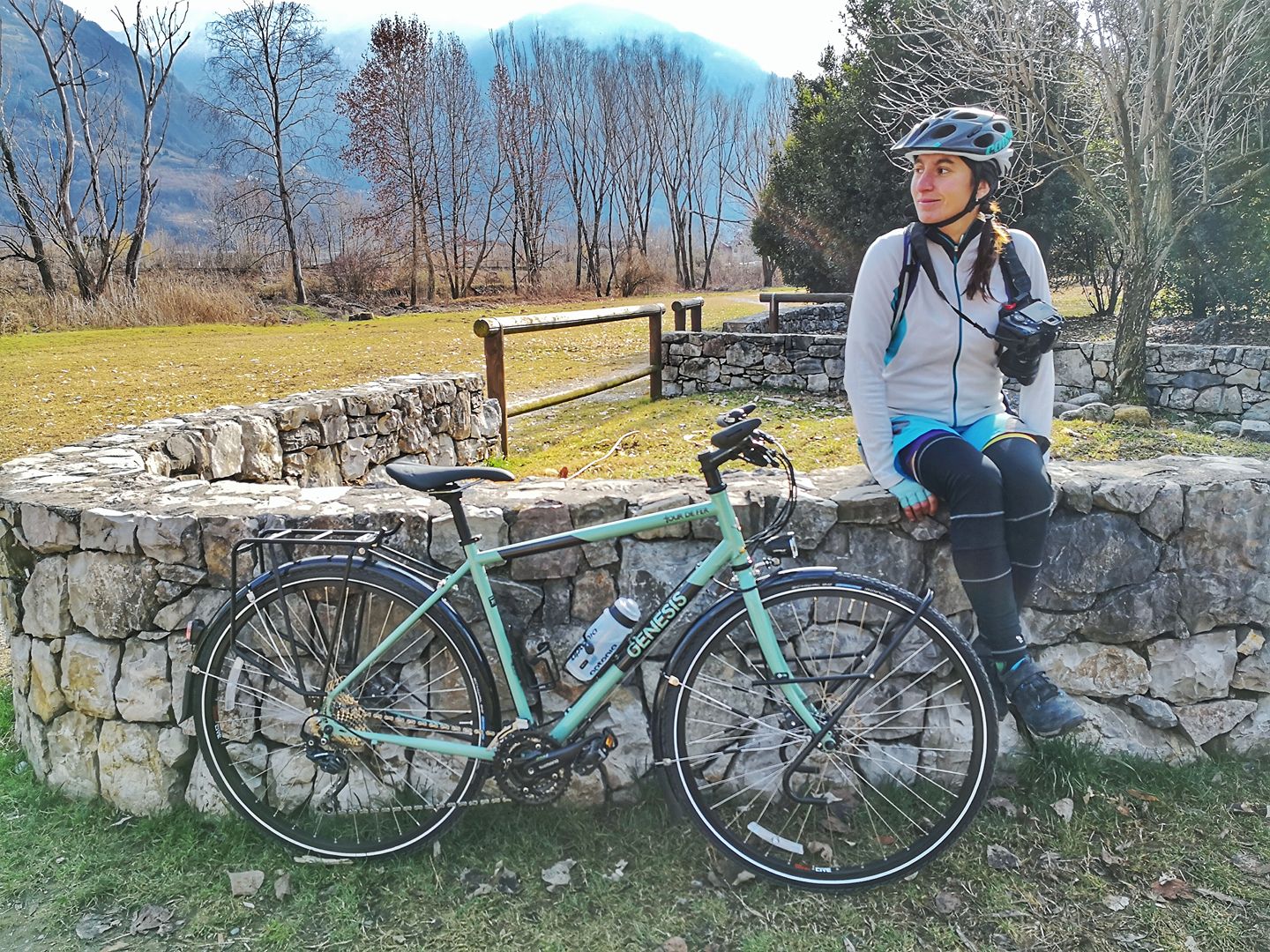
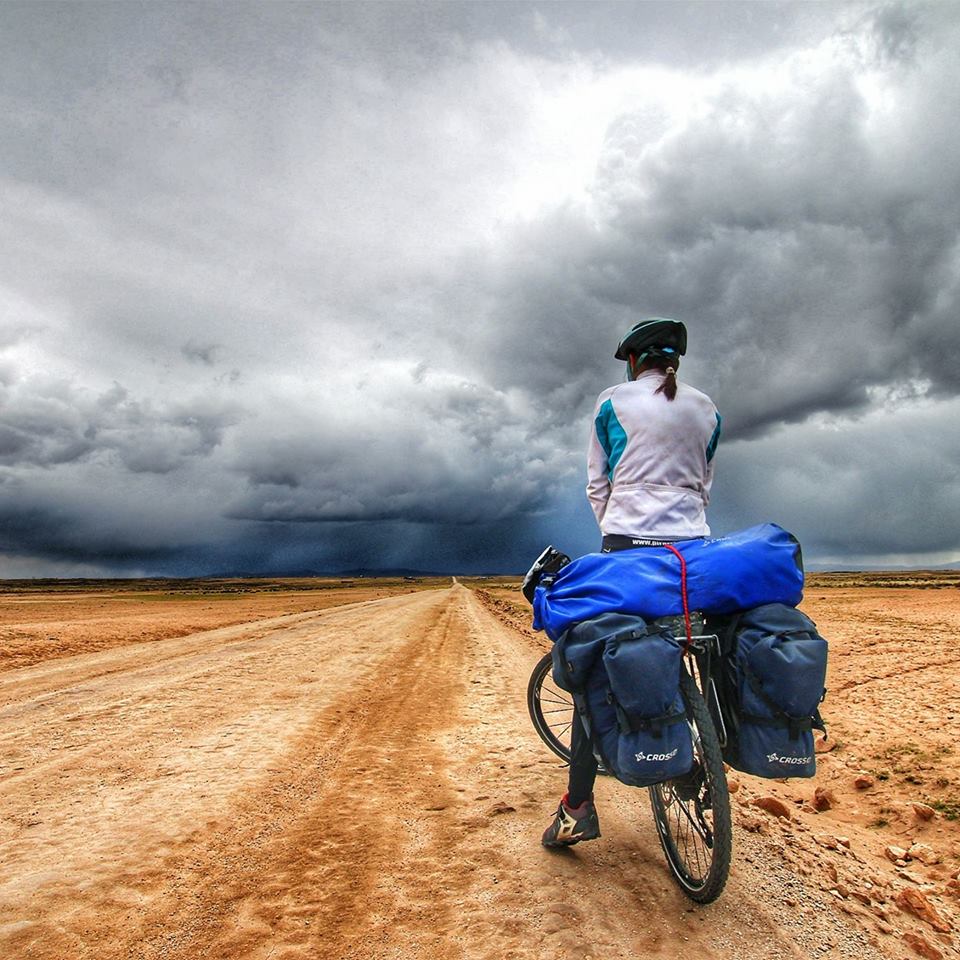
Among the first concrete uses of the Tour de Fer in cycle touring, Veronica Rizzoli’s travels also helped make this model known in Italy.
A traveller and content creator, Veronica used the Tour de Fer for long-distance self-supported routes, documenting an essential and practical approach to travel, perfectly in line with the philosophy of this bike.
The images you see on this page come from her travels and clearly show what it means to use a touring bike in the real world:
a simple, reliable machine built to last.


FAQ – Which Tour de Fer should you choose?
What is the difference between Tour de Fer 10, 20, 30 and 40?
The main difference is in the configuration.
10: essential and accessible
20: more versatile
30: complete with dynamo
40: more advanced drivetrain and wider gear range
Is a Tour de Fer or a gravel bike better for travelling?
It depends on use.
If you travel with load and over long distances → Tour de Fer
If you are looking for speed and versatility on mixed routes → gravel
Is the CUES drivetrain really better for travelling?
It is designed to last longer and work better under load.
This means less maintenance and greater long-term reliability.
Do you need to modify the bike before leaving?
No.
The Tour de Fer is designed to be ready to use from day one.
Conclusion
The Genesis Tour de Fer remains one of the most coherent interpretations of the traditional touring bike.
It does not follow trends and does not try to be everything:
it does one thing only, but it does it well.
To take you far, with continuity.