
- The right choice between design, budget, and real-world use
- Introduction
- Quick decision: frameset or complete bike?
- 5 questions that already decide half the choice
- Complete bike: when it really is the best choice
- Frameset: when it truly makes sense (and when it doesn’t)
- Frameset + components to reuse: when the advantage is real
- Compatibility: the critical point
- When the frameset is the only sensible choice: “native” framesets
- Real costs: why a direct comparison is often misleading
- Timing and availability: an often underestimated factor
- Bike categories: where a frameset makes the most sense
- The most common mistakes
- In summary
- Advisory
- Frequently asked questions about choosing between a frameset and a complete bike
The right choice between design, budget, and real-world use
Introduction
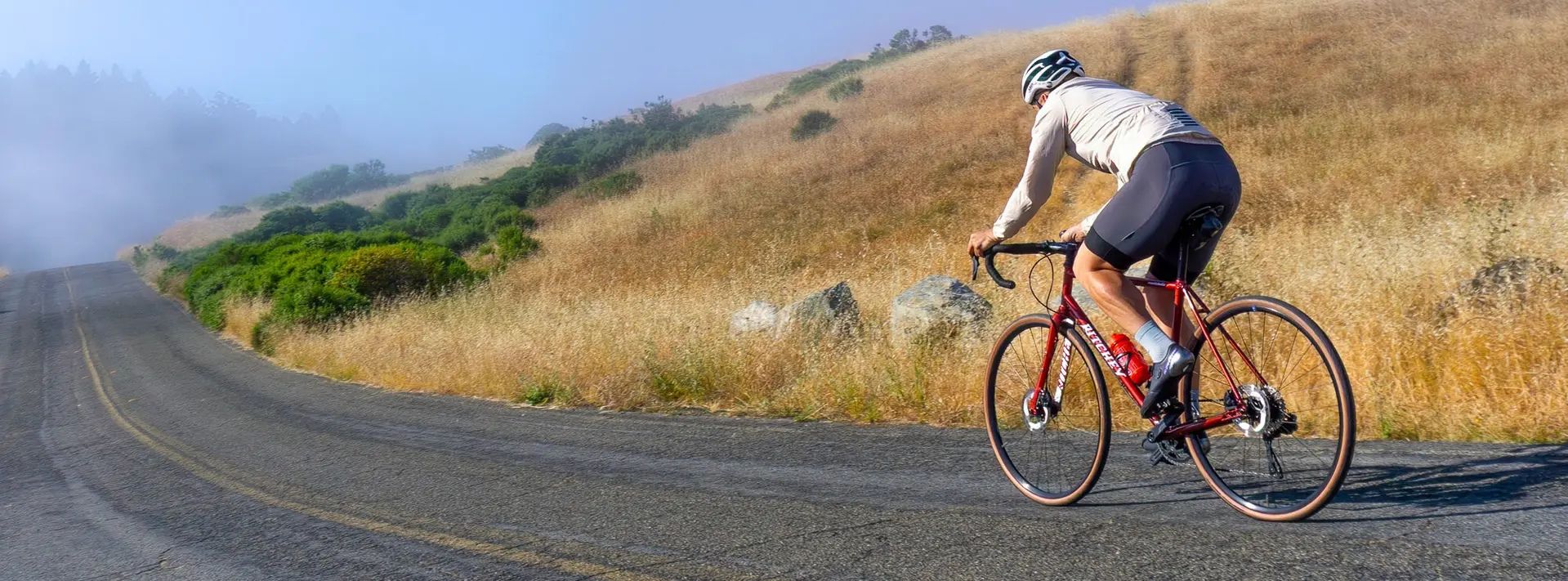
Choosing between a bare frameset and a complete bike is one of those decisions that seem simple only on the surface.
In reality, it touches very concrete factors: real budget, timing, level of customization, how you’ll use the bike, and even how much energy you want to invest in the project before you start riding.
There is no universally “right” answer.
But there is a choice that is coherent with the way you actually ride, and many wrong decisions come from starting with the option (frameset or complete bike) instead of starting from real use.
This guide is neither a defense of custom builds at all costs, nor an automatic invitation to buy a ready-to-ride bike.
Its purpose is to clarify when a frameset truly makes sense and when a complete bike is the most rational solution, without forum myths and without product-sheet logic.
Quick decision: frameset or complete bike?
If you want to get straight to the point, stop here for a moment.
Answer these questions honestly.
5 questions that already decide half the choice
-
Do you know exactly what you want to install (drivetrain, wheels, cockpit), or are you still exploring?
-
Do you already own compatible components, or do you plan to buy everything from scratch?
-
Is your budget flexible (even spread over time), or does it need to be clear and defined upfront?
-
Is your intended use specific (long trips, heavy loads, particular fit needs, non-standard requirements)?
-
Are you comfortable with longer lead times before the bike is ready to ride?
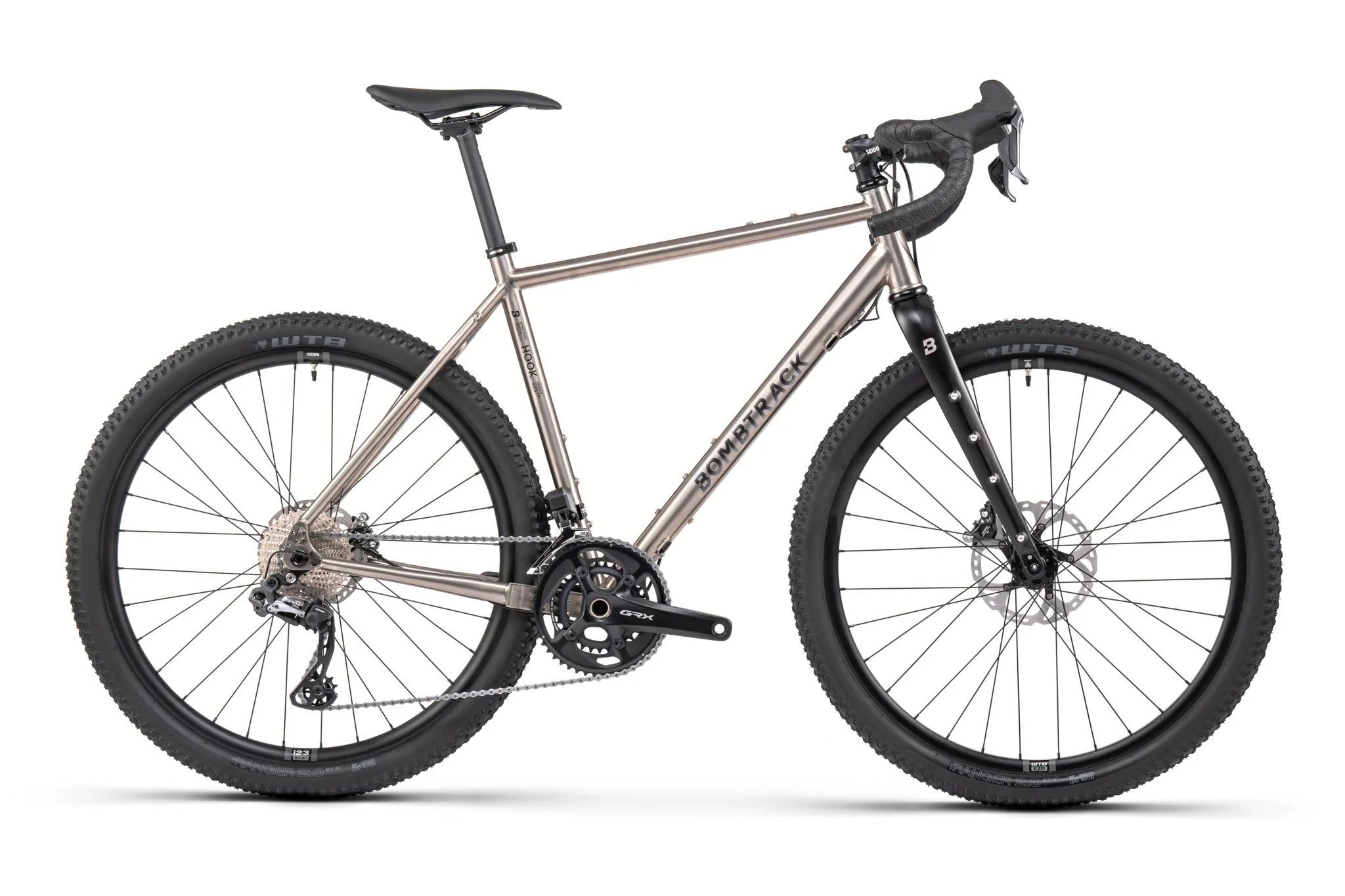
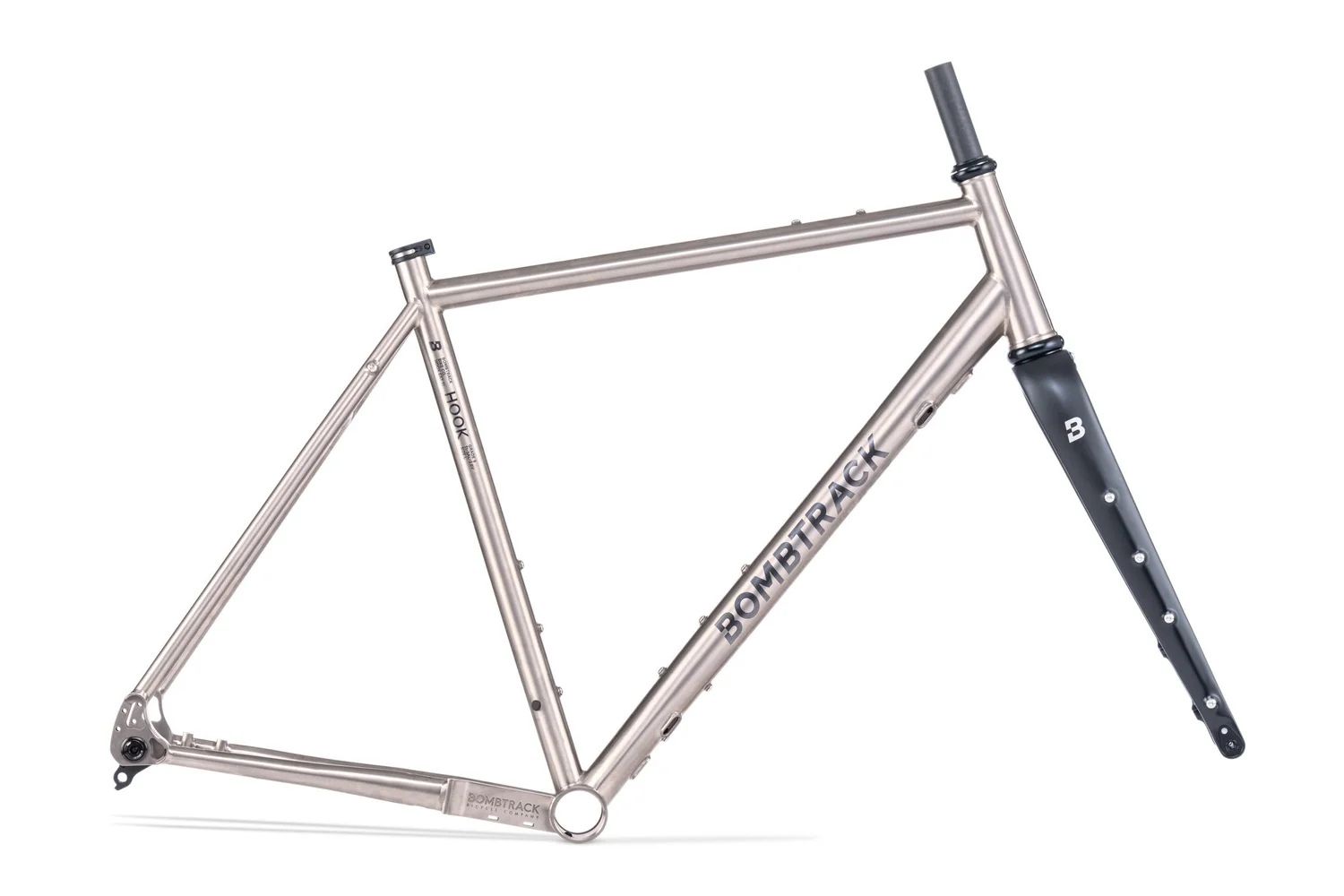
How to read your answers
If you answered “yes” to three or more questions, a frameset probably makes sense.
If most answers were “no”, a complete bike is almost always the more rational choice.
If you are in the middle, both options can work, but for different reasons.
Complete bike: when it really is the best choice
A complete bike is often underestimated because it is perceived as “less personal.”
In reality, for many cyclists it is the most efficient and coherent solution.
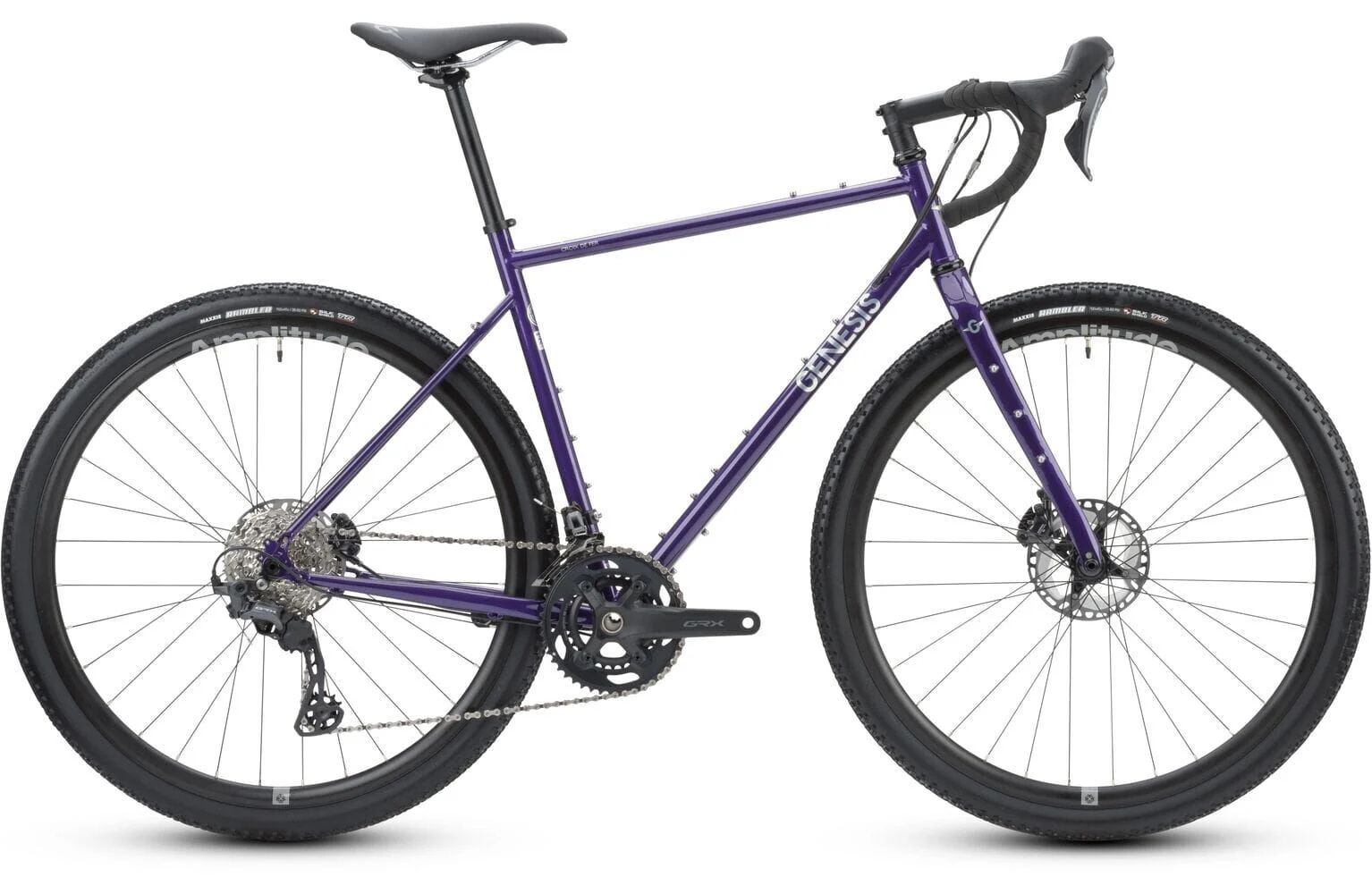
It starts as a balanced project: geometry, components, gearing, and cockpit are designed to work together. This reduces the risk of incompatibilities and lets you ride immediately, with a setup that has already been proven.
From a financial standpoint, a complete bike benefits from economies of scale that are hard to replicate with a one-off build. Even if you know you will upgrade certain parts in the future, starting from a complete bike is often more cost-effective.
It is the right choice if you want clear spending, fast timelines, and a reliable bike from the first kilometer.
Frameset: when it truly makes sense (and when it doesn’t)
A frameset is not a “more advanced” choice in absolute terms, but a more intentional one.
It makes sense when the goal is not simply to have a different bike, but to build a bike that is coherent with specific needs: serious loads, precise geometry, preferred standards, or a very defined use case.
However, it requires:
-
more planning
-
greater technical awareness
-
acceptance of less linear timelines and costs
It is not a better road. It is a different road.
Frameset + components to reuse: when the advantage is real
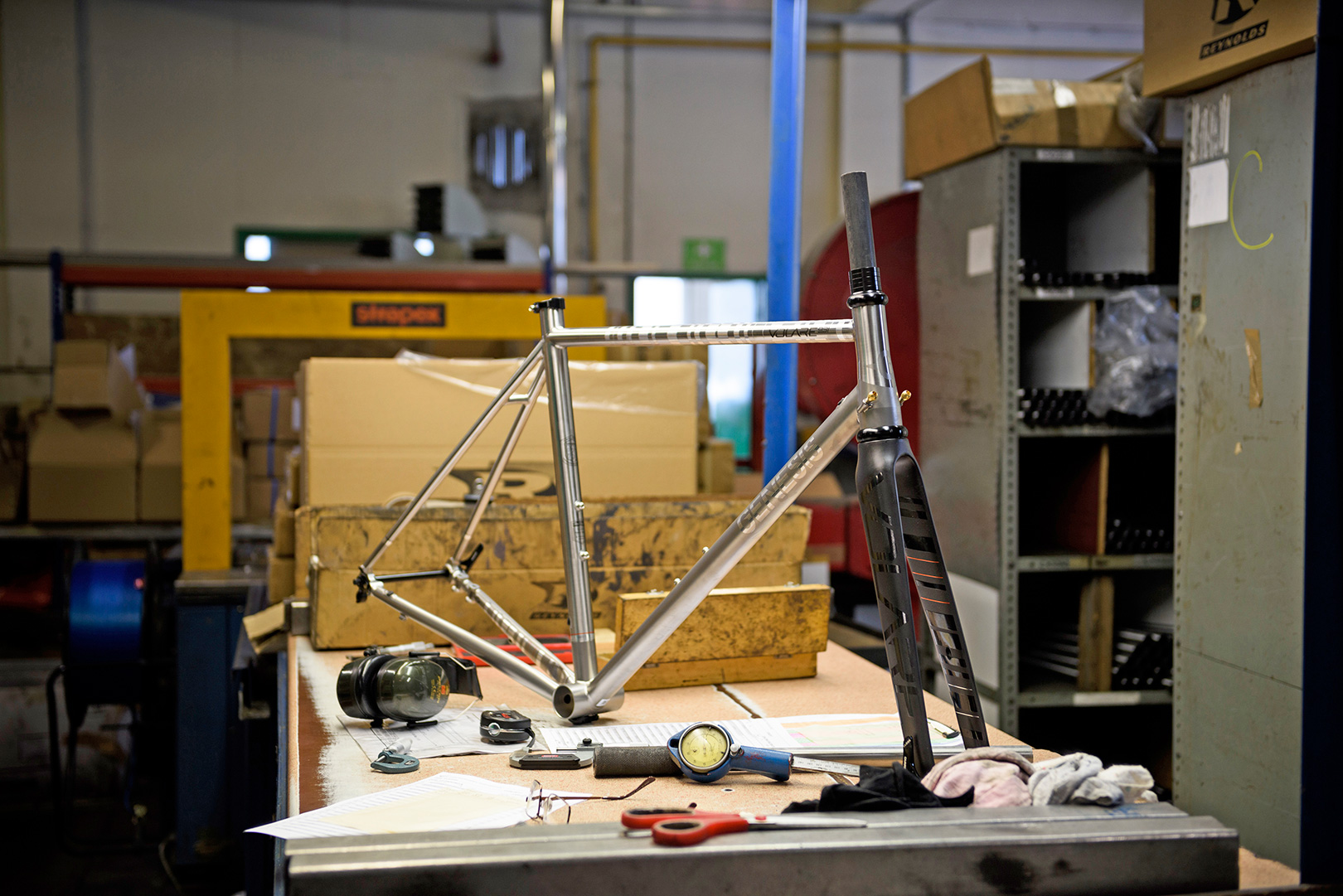
There is one very practical situation where a frameset becomes particularly advantageous financially: when you have good components worth reusing.
This often happens when:
-
a previous bike no longer fits your size or your use
-
unfinished upgrade projects
-
wheels, drivetrains, or cockpits that are still current and high quality
In these cases, starting from a frameset can significantly reduce the final cost without giving up performance, provided you have absolute certainty about compatibility.
Compatibility: the critical point
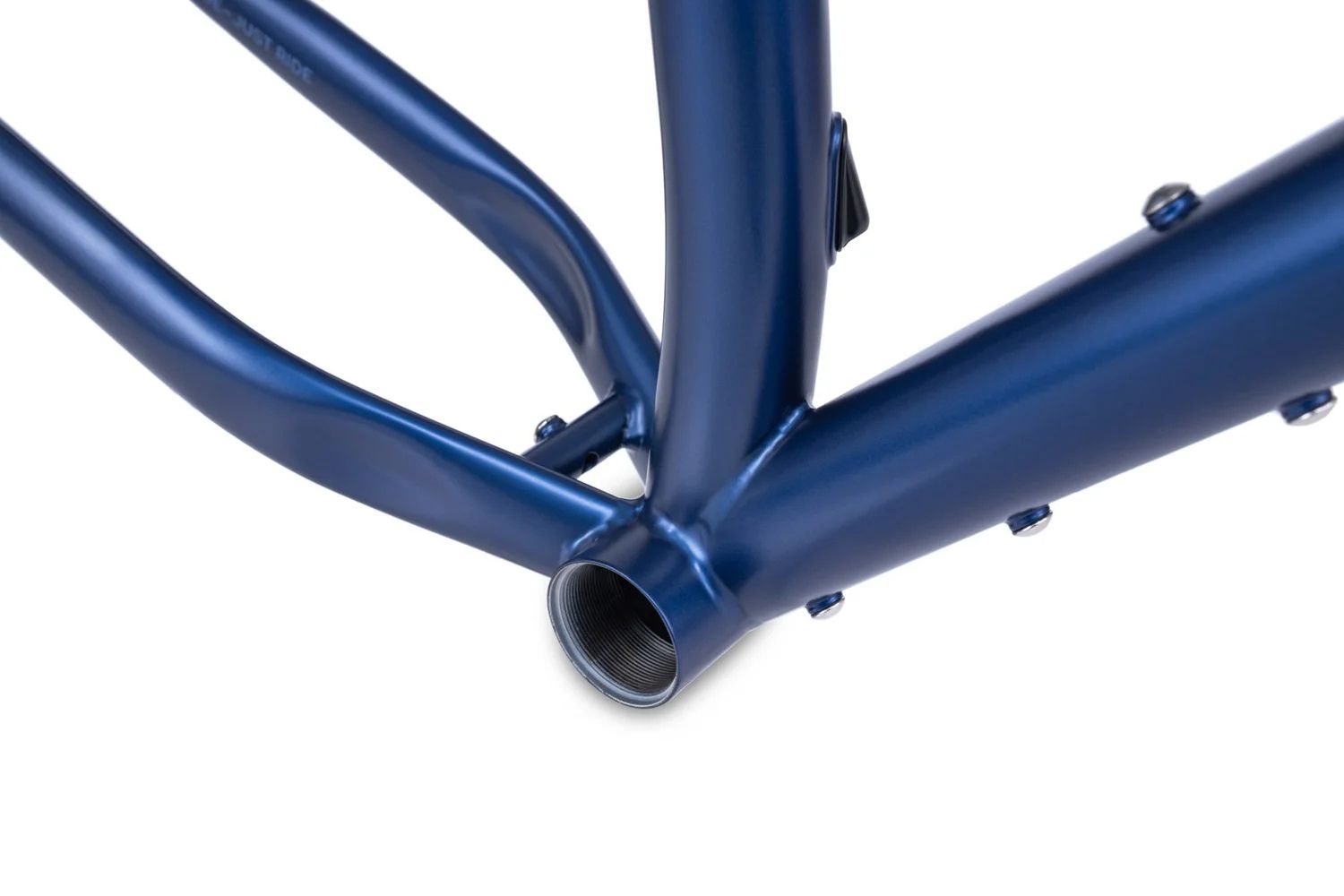
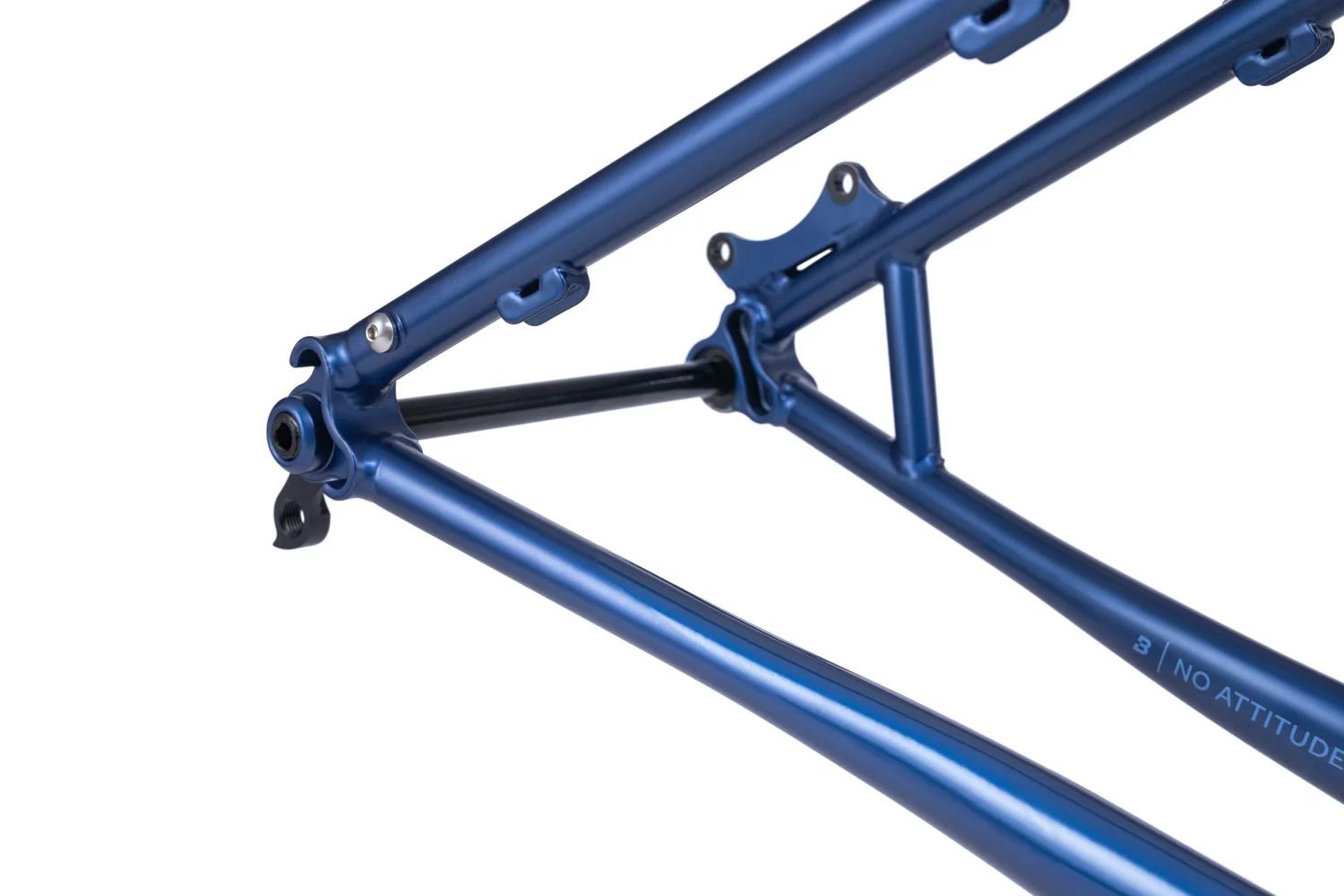
Reusing components does not mean “install whatever I have.”
It means checking standards and interfaces precisely: bottom bracket, wheel axles, spacing, brakes, cable routing, diameters, and drivetrain compatibility.
That is why we offer targeted consultation for component reuse, provided that:
-
they are from well-known brands
-
they are recent and technically current
-
they do not require forced adaptations
The goal is not to make everything work at any cost, but to build a bike that is reliable, coherent, and free of hidden compromises.
When the frameset is the only sensible choice: “native” framesets
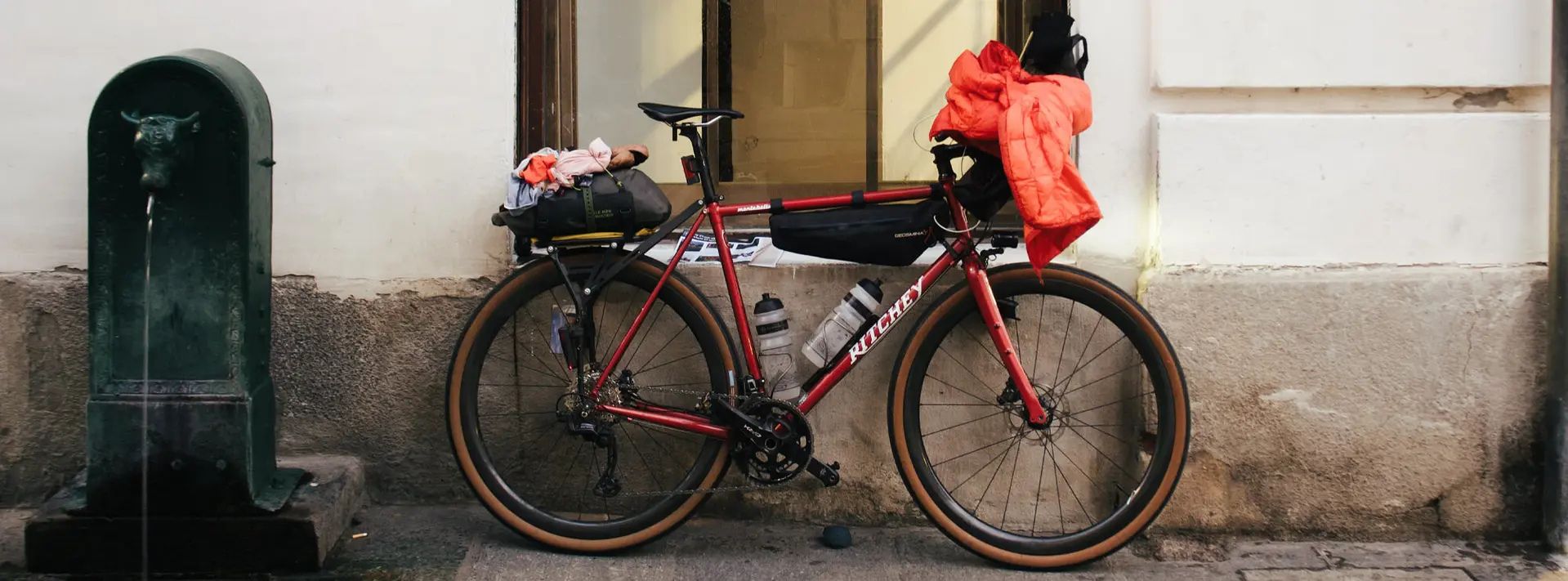
Some frames are born to be built, not sold as complete bikes.
In those cases, the frameset is not an alternative, but the natural starting point.
An emblematic example is the Ritchey Ultra: a steel hardtail frame designed for riders who want an essential, solid, highly customizable bike.
The Ultra shines in builds oriented toward:
-
off-road travel and robust bikepacking
-
“trail adventure” riding with a tailored setup
-
configurations where choosing wheels, drivetrain, and cockpit is an integral part of the project
Here, the value is not in a “ready” bike, but in the coherence of the final result with real-world use.
Real costs: why a direct comparison is often misleading
One of the most common mistakes is comparing the price of a frameset with the price of a complete bike.
The correct comparison is the final cost of the finished bike, with components of equivalent quality.
When you add wheels, drivetrain, brakes, cockpit, saddle, and labor, the economic advantage of a frameset often shrinks.
A frameset makes sense when the value is in the outcome, not in the entry price.
Timing and availability: an often underestimated factor
A complete bike is immediate.
A frameset requires planning.
This is an advantage if you are building a conscious project or reusing components you already own, but it can become a limitation if the bike needs to meet a concrete short-term need.
Bike categories: where a frameset makes the most sense
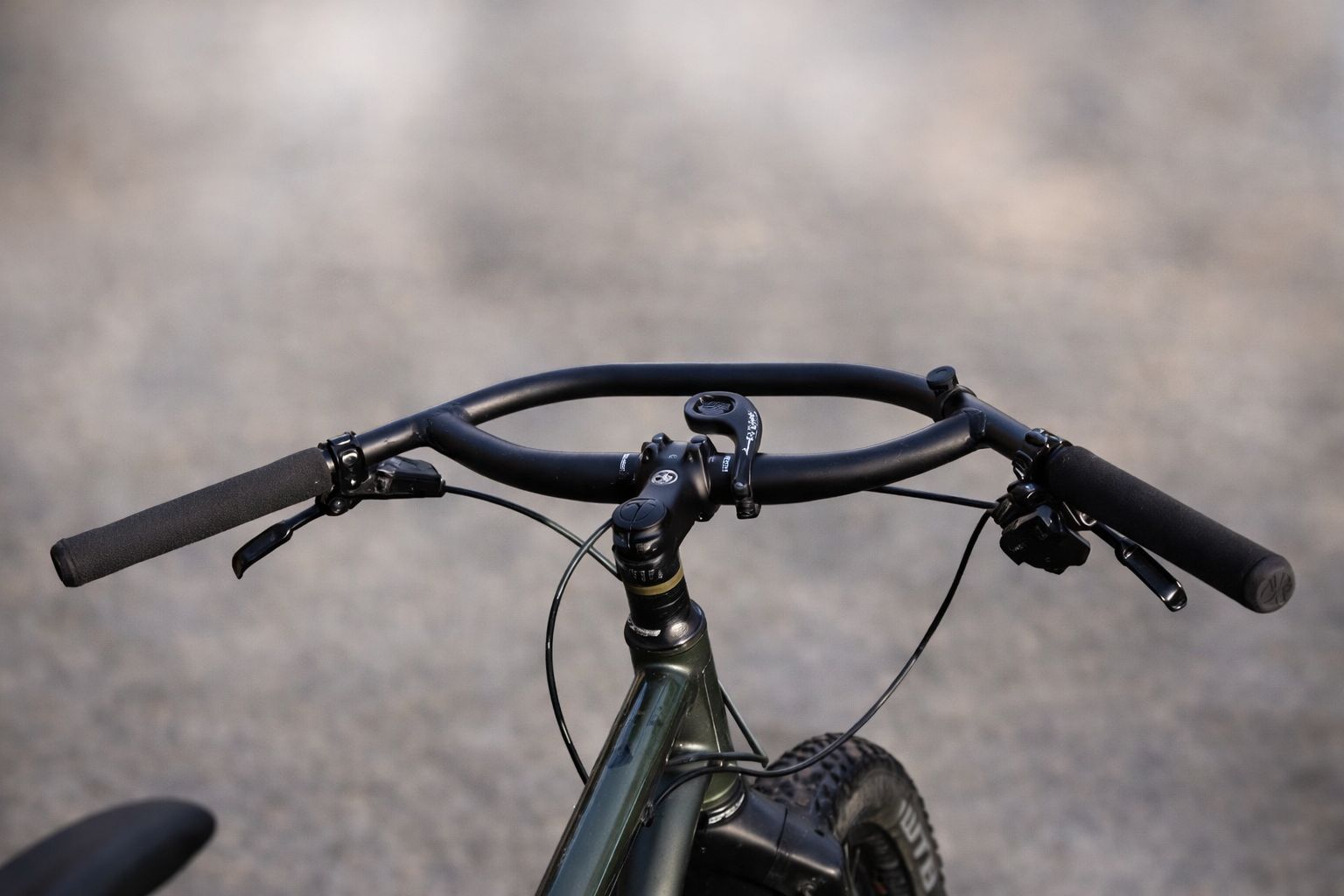
Some categories naturally lend themselves more to a frameset choice, because the final use is often very specific:
-
Adventure / Touring
https://www.bikejamming.it/en/1095-adventure-touring-frames/ -
Gravel / Allroad / Bikepacking
https://www.bikejamming.it/en/996-gravel-all-road-frames/ -
Cargo & Work Bike
https://www.bikejamming.it/en/1091-cargo-frames/
This is not a value ranking, but a matter of coherence between the project and real-world use.
The most common mistakes
-
choosing a frame for aesthetics or material
-
overestimating how much you really want to customize
-
underestimating timelines and extra costs
-
building a perfect bike that then doesn’t get used
A well-chosen bike is a bike that makes you want to go ride, not one that stays parked because “it isn’t ready yet.”
In summary
A complete bike is the most rational choice when you want efficiency and balance.
A frameset makes sense when the project is clear, or when you can leverage components you already own.
The right choice is the one that matches how you actually ride.
Advisory
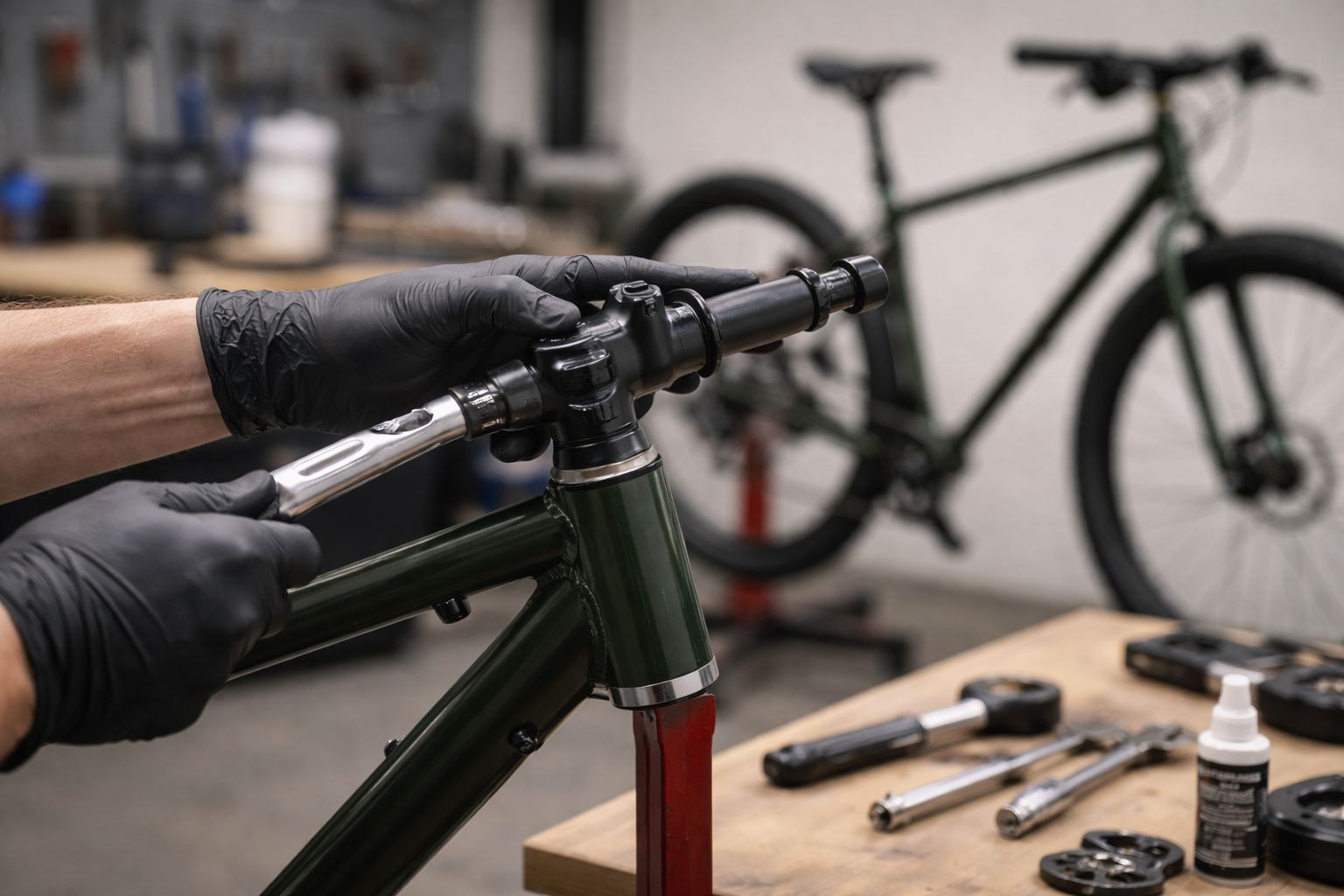
If you made it this far, your doubt is probably practical.
Write to us and include:
-
real-world use
-
terrain
-
load
-
budget
-
components you already have (if any)
We’ll help you understand whether a frameset or a complete bike truly makes more sense, without shortcuts and without unnecessary compromises.
Frequently asked questions about choosing between a frameset and a complete bike
Is it worth buying a frameset instead of a complete bike?
Only when the project is clear: specific needs, components to reuse, or a very defined intended use. In all other cases, a complete bike is often more balanced and better value.
Does a bike built from a frameset always cost more?
Not always. If you start from zero, the final cost is often higher than an equivalent complete bike. If you reuse good, recent components, the cost can become competitive.
Can I reuse components from my current bike on a new frame?
Yes, but only after a careful compatibility check. Standards such as bottom bracket, wheel axles, brakes, and drivetrain must match perfectly to avoid problems and compromises.
How long does it take to complete a bike starting from a frameset?
It depends on component availability and the level of customization. A complete bike is ready immediately, while a frameset project requires planning and longer lead times.
In which cases is a frameset the only sensible choice?
When the frame is designed to be built and isn’t available as a complete bike, or when the intended use requires very precise choices for wheels, drivetrain, and cockpit.
Which bike categories are best suited to a frameset?
Adventure, gravel, bikepacking, and cargo are the categories where a frameset makes the most sense, because real-world use benefits from targeted customization.
Does a complete bike really limit customization?
No. Many cyclists start with a complete bike and evolve it over time. It is often the most rational way to reach a personalized setup without early mistakes.
Can I get support to choose between a frameset and a complete bike?
Yes. By looking at use, terrain, load, budget, and the components you already have, it’s possible to understand which solution is most coherent and avoid expensive mistakes.